Title: Introduction to Anti-Human HHLA2/B7-H7 VHH (SAA2684)
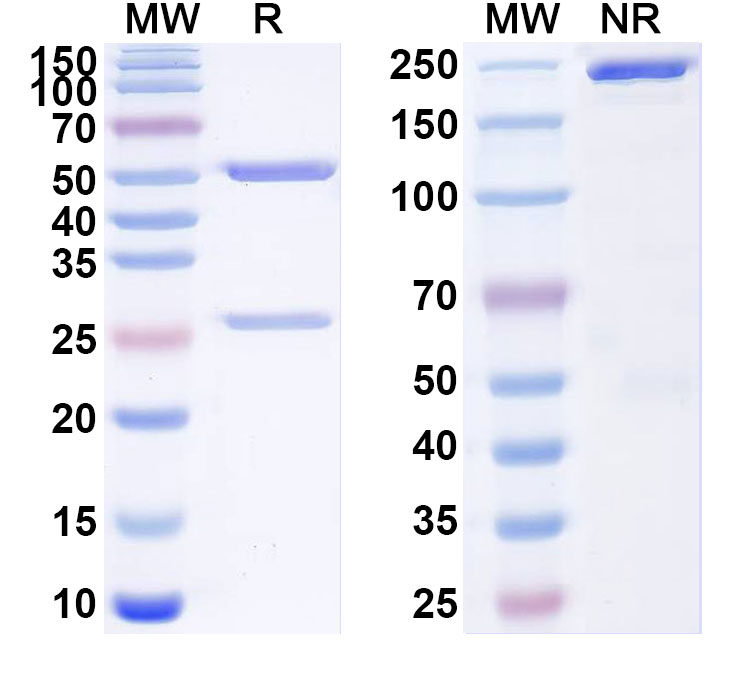
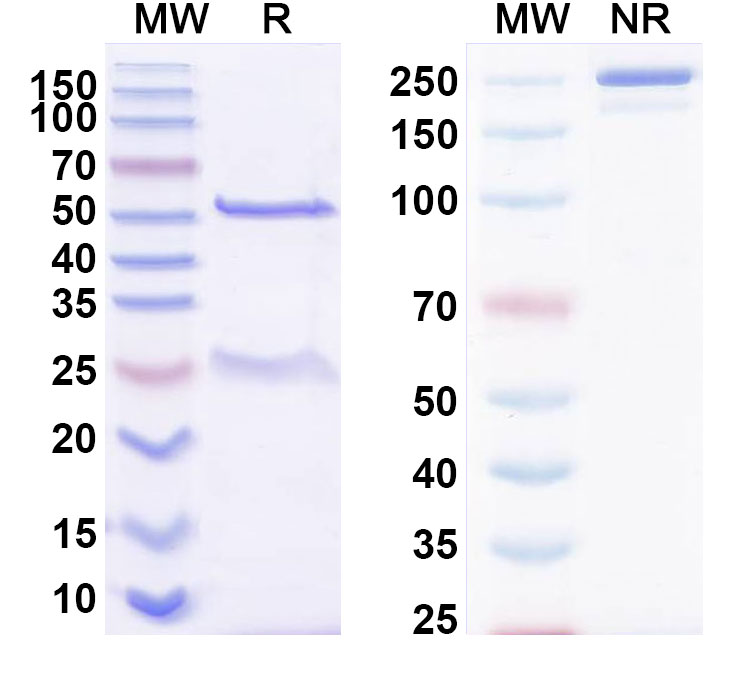
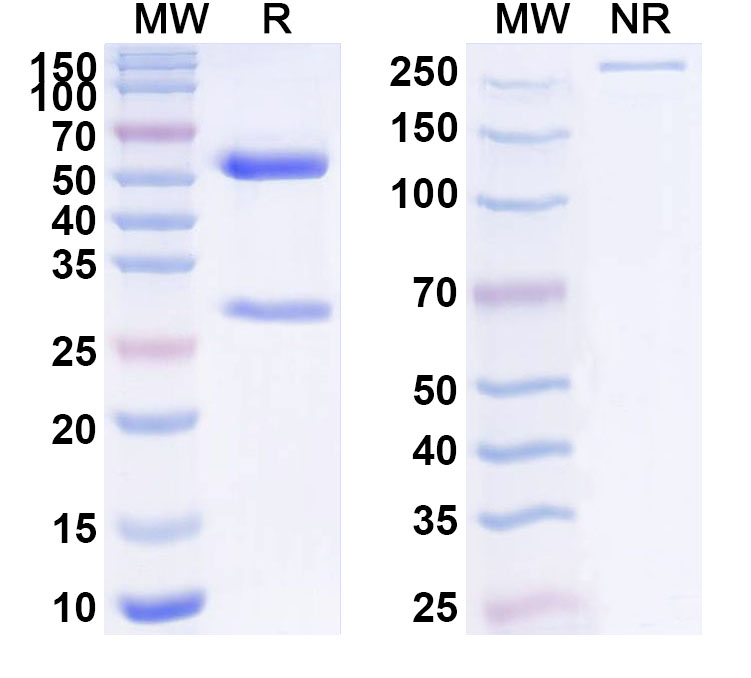
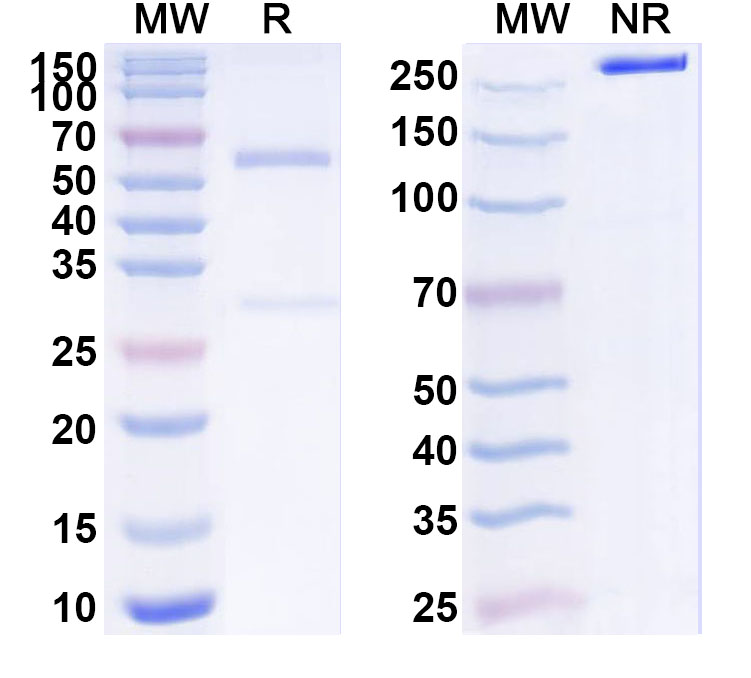
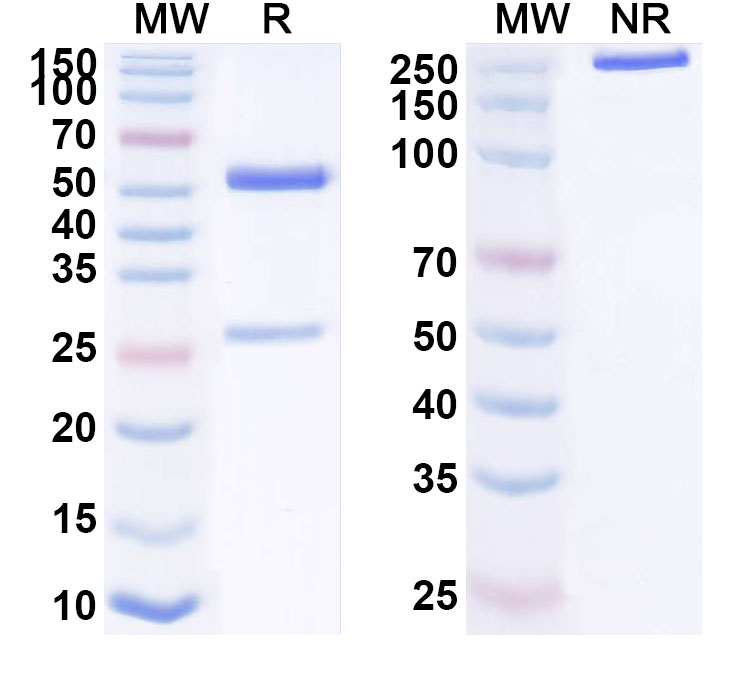
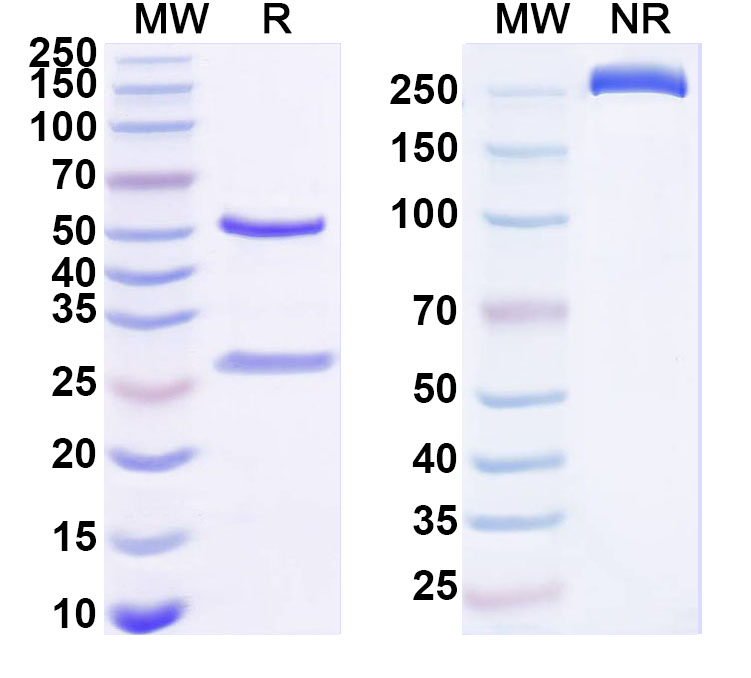
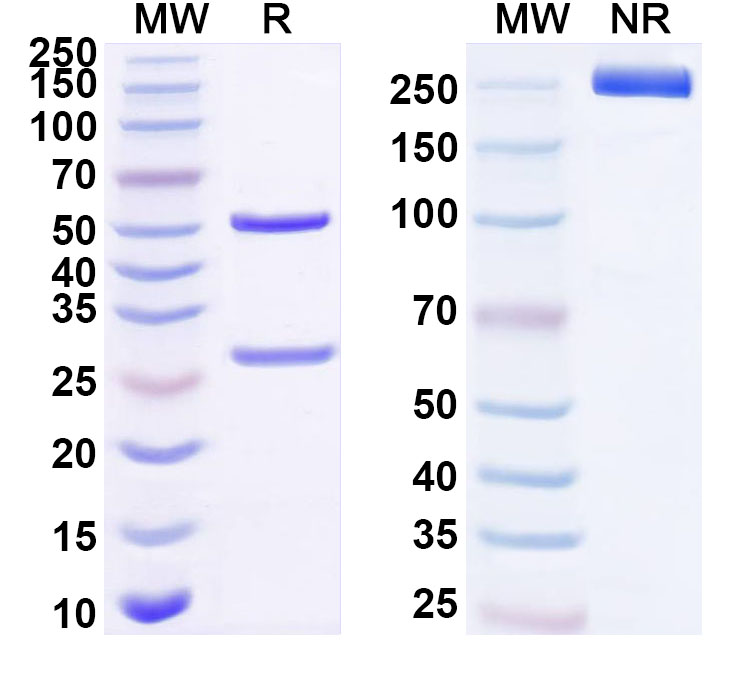
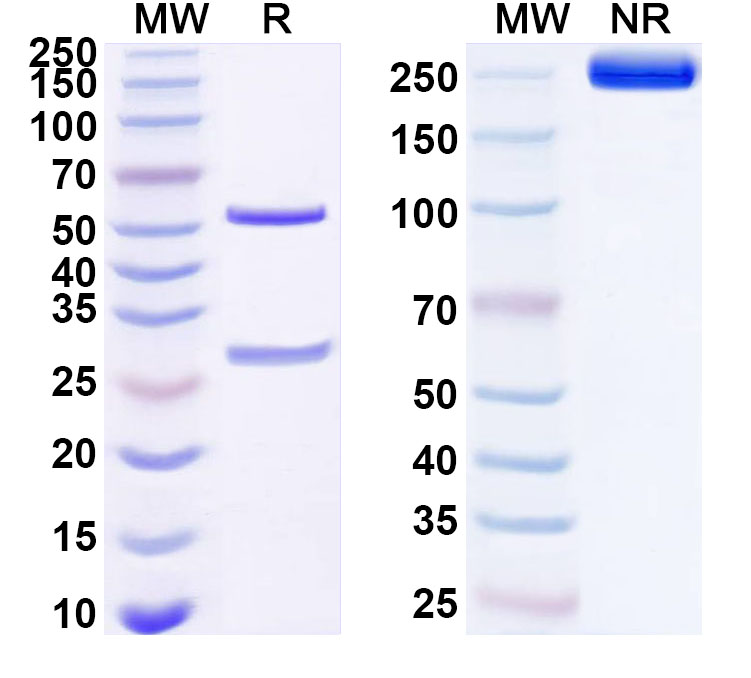
Anti-Human HHLA2/B7-H7 VHH (SAA2684) is a novel monoclonal antibody that has shown promising results in pre-clinical studies for the treatment of various types of cancer. This antibody specifically targets the human HHLA2/B7-H7 protein, which is a member of the B7 family of immune checkpoint proteins. In this article, we will explore the structure, activity, and potential applications of Anti-Human HHLA2/B7-H7 VHH (SAA2684) in the field of cancer research.
Title: Structure of Anti-Human HHLA2/B7-H7 VHH (SAA2684)
Anti-Human HHLA2/B7-H7 VHH (SAA2684) is a single-domain antibody, also known as a VHH or nanobody. It is derived from the heavy-chain only antibodies found in camelids, such as llamas and camels. VHHs are smaller in size compared to traditional antibodies, making them more stable and easier to produce. The VHH structure consists of three complementarity-determining regions (CDRs) that are responsible for binding to specific targets. The CDRs of Anti-Human HHLA2/B7-H7 VHH (SAA2684) have been engineered to specifically target the HHLA2/B7-H7 protein, making it a highly specific and potent antibody.
Title: Activity of Anti-Human HHLA2/B7-H7 VHH (SAA2684)
The main function of Anti-Human HHLA2/B7-H7 VHH (SAA2684) is to block the interaction between HHLA2/B7-H7 and its receptor, TMIGD2, which is found on the surface of T cells and natural killer (NK) cells. This interaction is known to inhibit the activity of these immune cells, leading to immune evasion by cancer cells. By blocking this interaction, Anti-Human HHLA2/B7-H7 VHH (SAA2684) can enhance the activity of T cells and NK cells, thereby promoting an anti-tumor immune response. Additionally, this antibody has also been shown to induce antibody-dependent cellular cytotoxicity (ADCC) and complement-dependent cytotoxicity (CDC), which further contribute to its anti-cancer activity.
Title: Potential Applications of Anti-Human HHLA2/B7-H7 VHH (SAA2684)
Anti-Human HHLA2/B7-H7 VHH (SAA2684) has shown promising results in pre-clinical studies for the treatment of various types of cancer, including lung cancer, breast cancer, and melanoma. In a study by Zang et al., the administration of Anti-Human HHLA2/B7-H7 VHH (SAA2684) in a mouse model of lung cancer resulted in a significant reduction in tumor growth and increased survival rate. This antibody has also been shown to enhance the efficacy of other cancer therapies, such as checkpoint inhibitors, by promoting an anti-tumor immune response.
Moreover, Anti-Human HHLA2/B7-H7 VHH (SAA2684) has also shown potential in the diagnosis and prognosis of cancer. HHLA2/B7-H7 is overexpressed in various types of cancer, and its expression has been associated with poor prognosis. Therefore, Anti-Human HHLA2/B7-H7 VHH (SAA2684) can be used as a diagnostic tool to detect the presence of HHLA2/B7-H7 in cancer cells and as a prognostic marker for predicting patient outcomes.
Title: Conclusion
In conclusion, Anti-Human HHLA2/B7-H7 VHH (SAA2684) is a promising monoclonal antibody that specifically targets the HHLA2/B7-H7 protein, a member of the B7 family of immune checkpoint proteins. Its unique structure and potent activity make it a potential therapeutic option

There are no reviews yet.