Introduction
Anti-Human HLA-DRB1 Monoclonal Antibody (1A692) is a type of antibody that specifically targets the human leukocyte antigen (HLA)-DRB1 protein. This protein is a major histocompatibility complex (MHC) class II molecule, which plays a crucial role in the immune system by presenting foreign antigens to T-cells. The 1A692 antibody has been extensively studied and has shown promising results in various research areas, making it a valuable tool for scientists.
Structure of Anti-Human HLA-DRB1 Monoclonal Antibody (1A692)
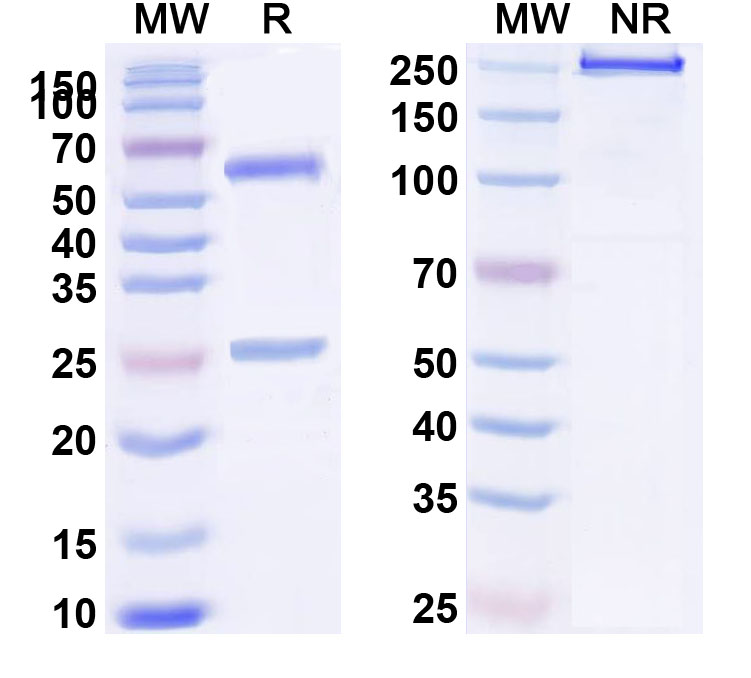
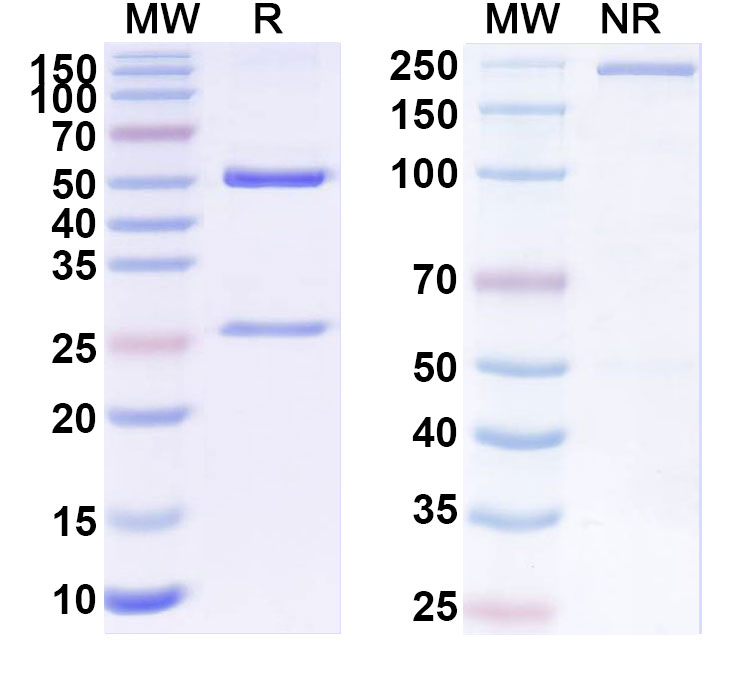
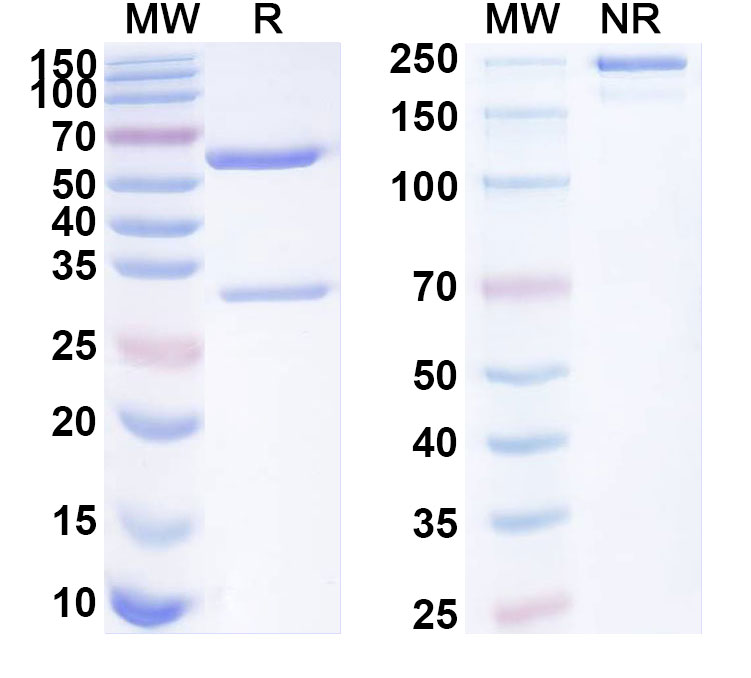
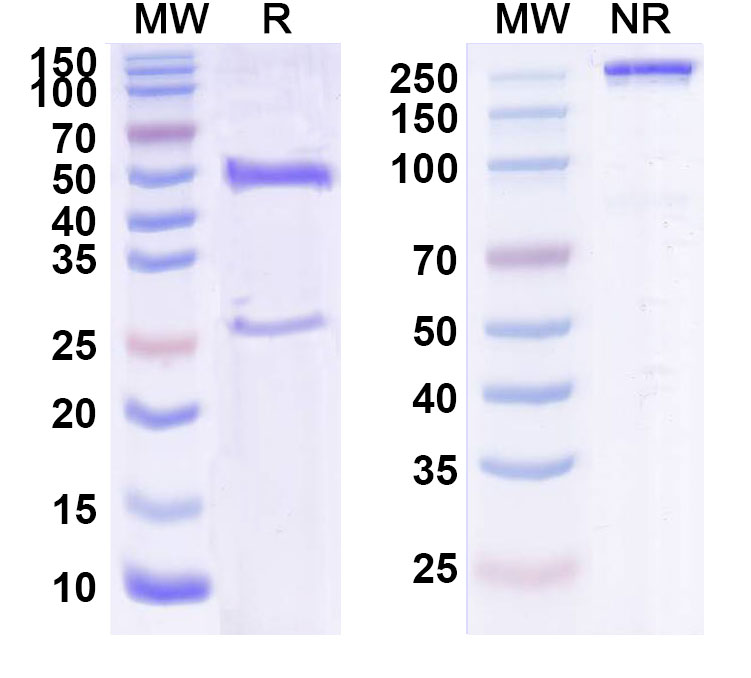
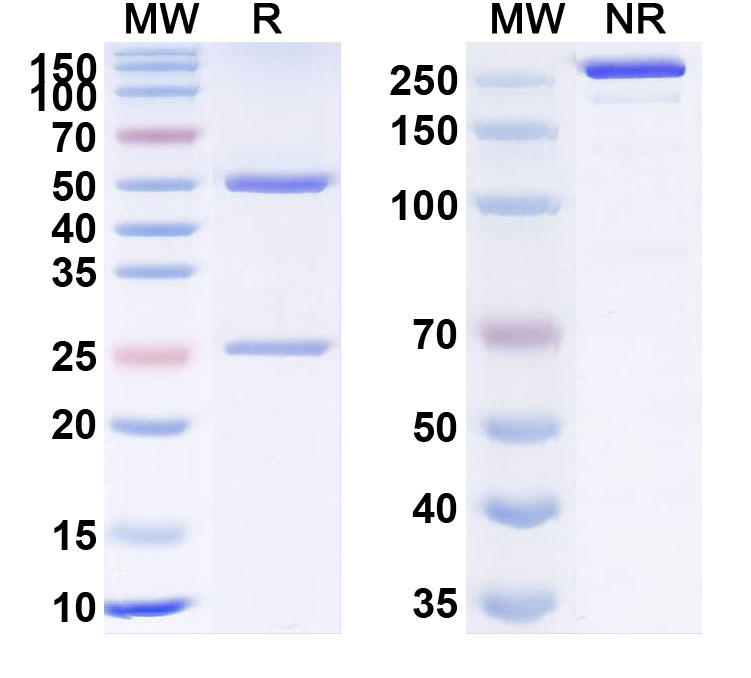
The 1A692 antibody is a monoclonal antibody, meaning it is produced by a single type of immune cell. It is a mouse IgG1 antibody, with a molecular weight of approximately 150 kDa. The antibody binds specifically to the α-chain of the HLA-DRB1 molecule, which is located on the surface of antigen-presenting cells such as dendritic cells, macrophages, and B-cells. The binding site of the 1A692 antibody has been mapped to the third hypervariable region of the α-chain, making it highly specific for the HLA-DRB1 protein.
Activity of Anti-Human HLA-DRB1 Monoclonal Antibody (1A692)
The main activity of the 1A692 antibody is its ability to bind to the HLA-DRB1 protein and block its interaction with T-cells. This prevents the activation of T-cells, which play a crucial role in the immune response. The antibody also induces internalization and degradation of the HLA-DRB1 protein, further reducing its ability to present foreign antigens to T-cells. This activity has been shown to be effective in both in vitro and in vivo studies.
Applications of Anti-Human HLA-DRB1 Monoclonal Antibody (1A692)
1. Transplantation Research
One of the major applications of the 1A692 antibody is in transplantation research. The HLA-DRB1 protein is highly polymorphic, with over 400 different alleles identified. This diversity poses a challenge in organ transplantation, as the recipient’s immune system may recognize the transplanted organ as foreign and reject it. The 1A692 antibody has been used in studies to investigate the role of HLA-DRB1 in transplant rejection and to develop strategies to overcome this issue.
2. Autoimmune Diseases
The HLA-DRB1 protein has also been implicated in the development of autoimmune diseases such as rheumatoid arthritis, multiple sclerosis, and systemic lupus erythematosus. The 1A692 antibody has been used to study the role of HLA-DRB1 in these diseases and its potential as a therapeutic target. In a study on rheumatoid arthritis, the 1A692 antibody was found to reduce the production of pro-inflammatory cytokines by T-cells, suggesting its potential as a treatment for this disease.
3. Cancer Research
The HLA-DRB1 protein has been shown to play a role in the immune response against cancer cells. The 1A692 antibody has been used to investigate the expression of HLA-DRB1 in various types of cancer, as well as its potential as a target for immunotherapy. In a study on melanoma, the 1A692 antibody was found to enhance the anti-tumor activity of T-cells, suggesting its potential as a therapeutic agent in cancer treatment.
4. Diagnosis of HLA-DRB1-Associated Diseases
The 1A692 antibody has also been used in diagnostic tests for HLA-DRB1-associated diseases. For example, in a study on celiac disease, the antibody was used to identify HLA-DRB1 alleles associated with the disease. This information can aid in early diagnosis and treatment of the disease.
Conclusion
In summary, the Anti-Human HLA-DRB1 Monoclonal Antibody (1A692) is a valuable tool for scientists in various research areas. Its specific binding

There are no reviews yet.