Anti-Human KRT5 Monoclonal Antibody (1A527): Structure and Function
Introduction
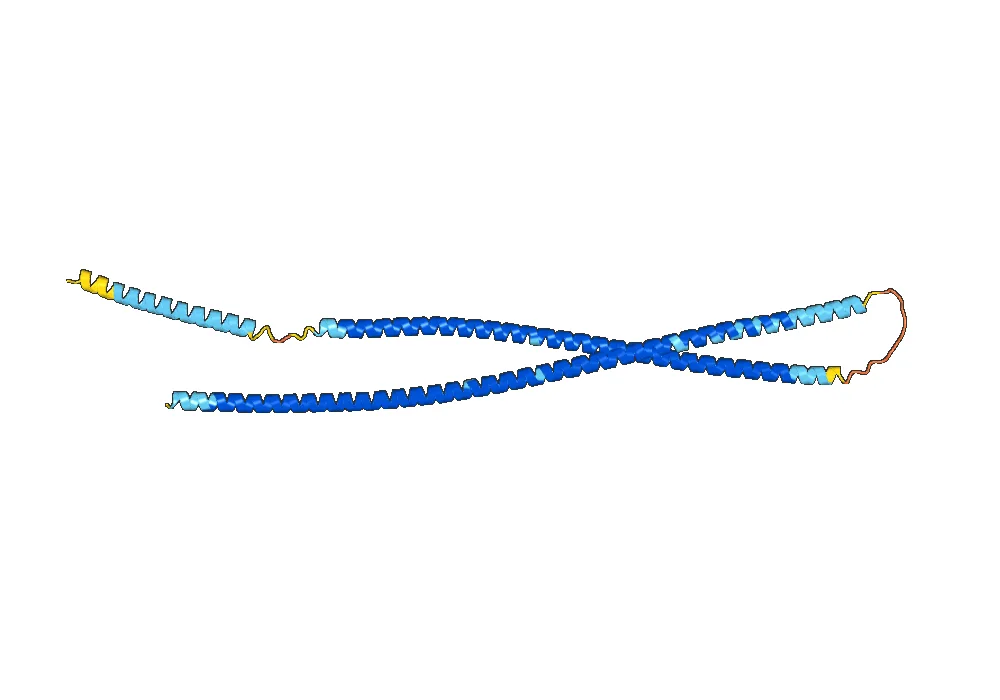
Keratins are a family of fibrous proteins that are important structural components of epithelial cells. These proteins provide strength and resilience to cells, and are crucial for maintaining the integrity of tissues such as skin, hair, and nails. Keratin 5 (KRT5) is one of the major keratins found in epithelial cells, and is specifically expressed in the basal layer of the epidermis. Aberrant expression of KRT5 has been linked to various skin diseases, making it an important research target. In this article, we will discuss the structure, activity, and application of the Anti-Human KRT5 Monoclonal Antibody (1A527).
Structure of Anti-Human KRT5 Monoclonal Antibody (1A527)
The Anti-Human KRT5 Monoclonal Antibody (1A527) is a type of monoclonal antibody that specifically targets KRT5. Monoclonal antibodies are produced by cloning a single type of immune cell, resulting in a highly specific antibody that recognizes a single antigen. The 1A527 antibody is produced by hybridoma technology, where a mouse B-cell producing the desired antibody is fused with a myeloma cell to create a hybrid cell line that can continuously produce the antibody.
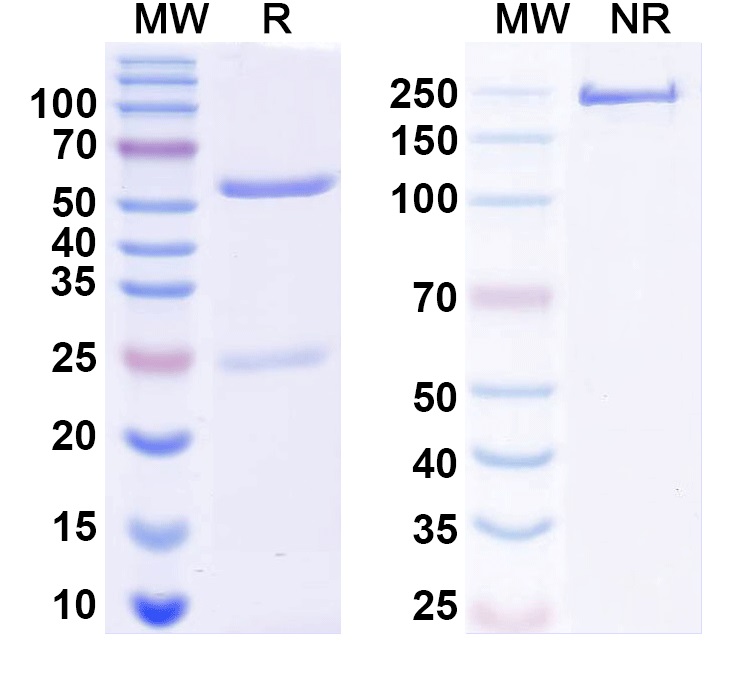
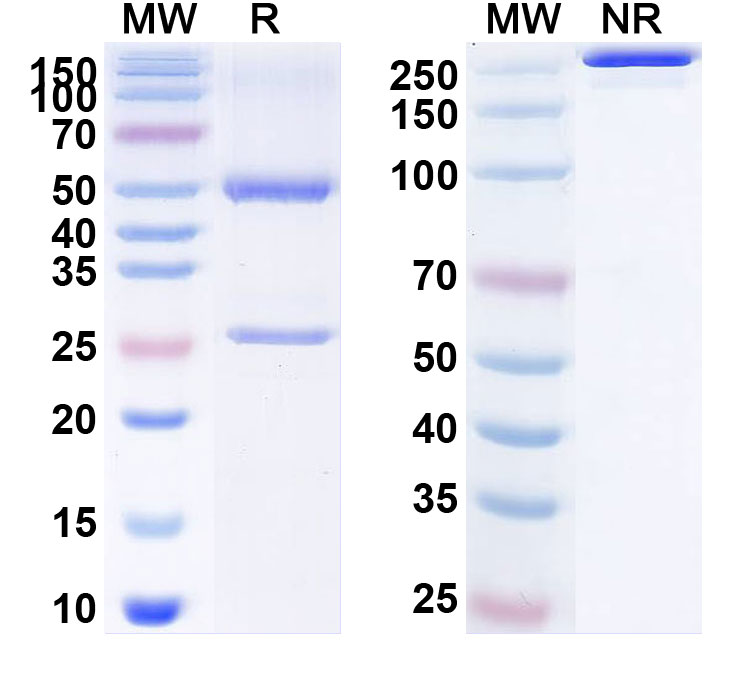
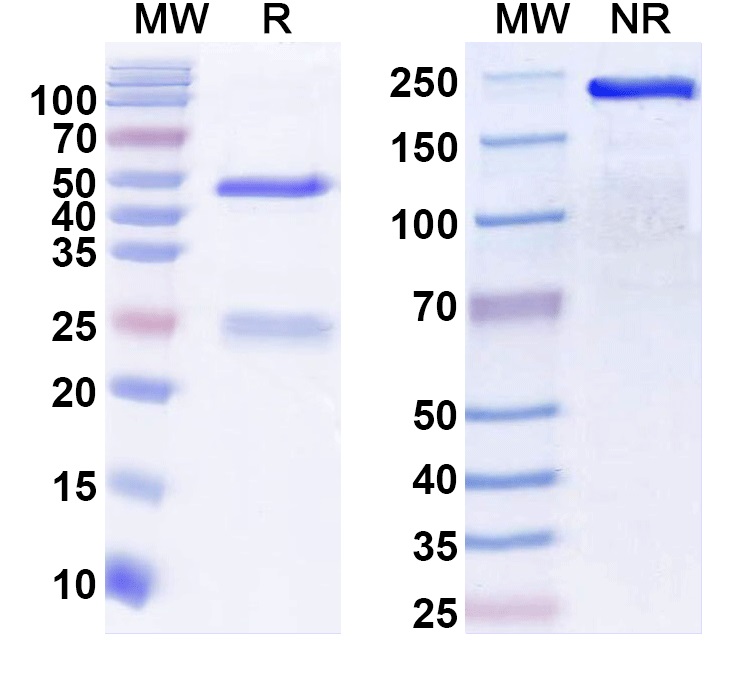
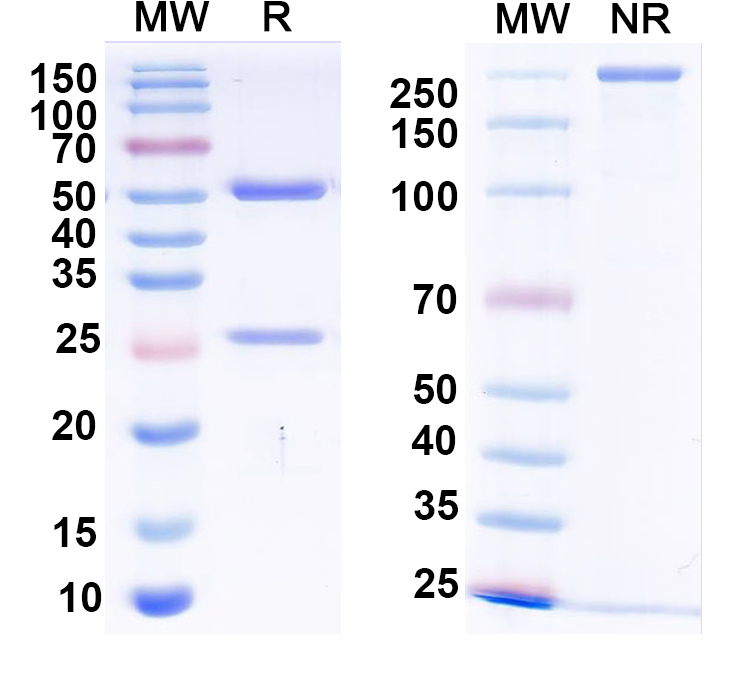
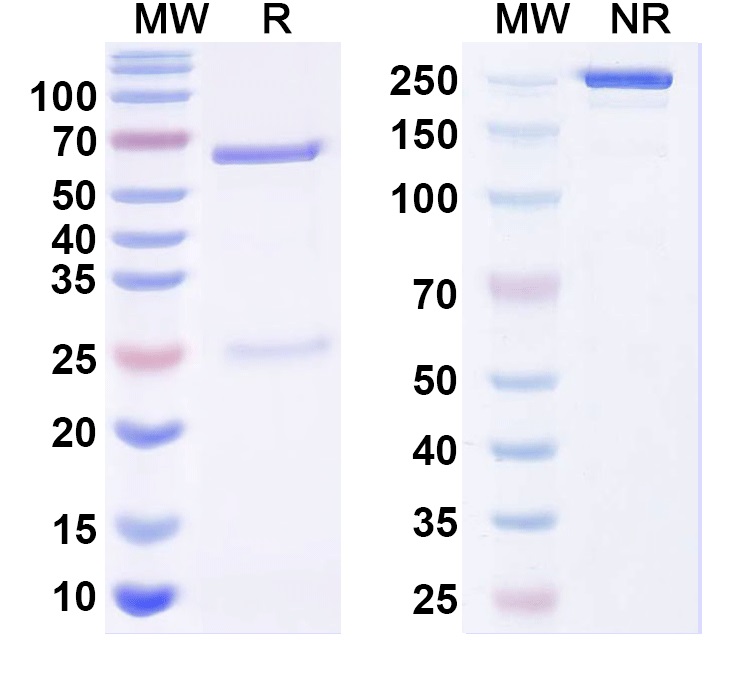
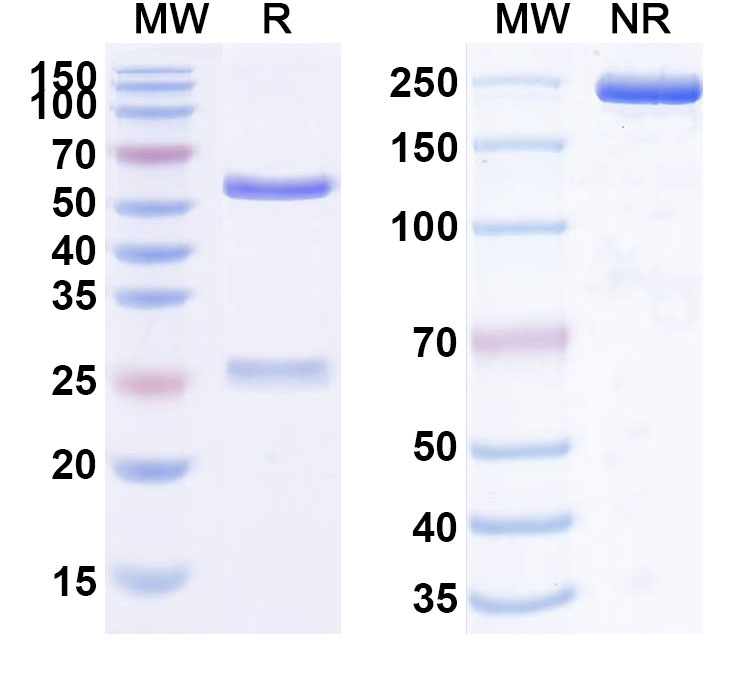
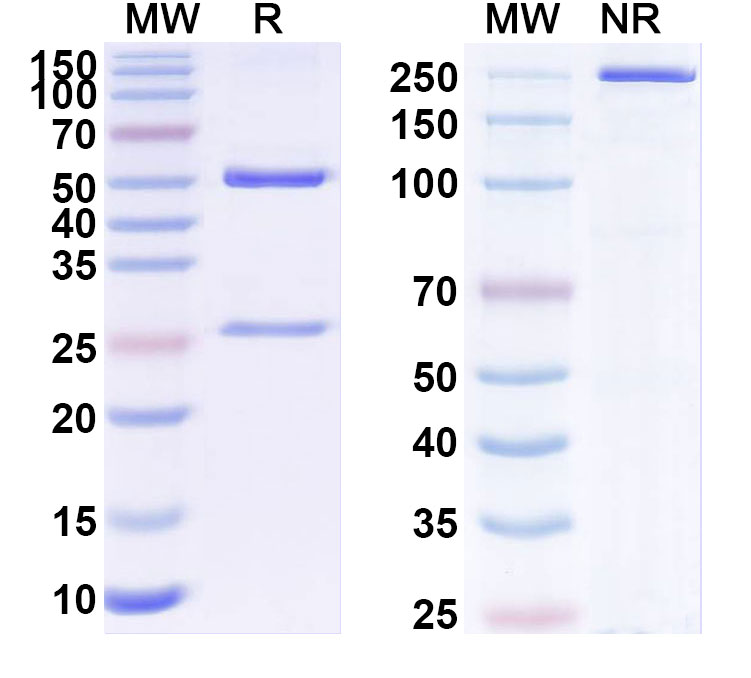
The 1A527 antibody is an immunoglobulin G (IgG) antibody, which is the most abundant class of antibodies in the human body. It is composed of two heavy chains and two light chains, each containing variable and constant regions. The variable regions are responsible for binding to the target antigen, while the constant regions determine the effector functions of the antibody.
Activity of Anti-Human KRT5 Monoclonal Antibody (1A527)
The main activity of the Anti-Human KRT5 Monoclonal Antibody (1A527) is its ability to specifically bind to KRT5. This binding occurs through the variable regions of the antibody, which recognize and bind to specific amino acid sequences on the KRT5 protein. This binding prevents KRT5 from interacting with other proteins, leading to a disruption of its normal function.
In addition to binding to KRT5, the 1A527 antibody also has effector functions that can activate the immune system. These include complement-dependent cytotoxicity (CDC) and antibody-dependent cell-mediated cytotoxicity (ADCC), which can lead to the destruction of cells expressing KRT5. This makes the 1A527 antibody a potential therapeutic agent for diseases where KRT5 is overexpressed, such as certain types of skin cancer.
Application of Anti-Human KRT5 Monoclonal Antibody (1A527)
The Anti-Human KRT5 Monoclonal Antibody (1A527) has a wide range of applications in both research and clinical settings. In research, it is commonly used as a tool to study the role of KRT5 in various cellular processes. For example, the 1A527 antibody can be used in immunofluorescence assays to visualize the distribution of KRT5 in cells and tissues.
In clinical settings, the 1A527 antibody has potential as a targeted therapy for diseases where KRT5 is implicated. For example, it has been shown to be effective in treating certain types of skin cancer, such as basal cell carcinoma and squamous cell carcinoma. It can also be used as a diagnostic tool to detect the presence of KRT5 in patient samples, aiding in the diagnosis and monitoring of diseases.
Conclusion
In summary, the Anti-Human KRT5 Monoclonal Antibody (1A527) is a highly specific antibody that targets KRT5, a key protein involved in maintaining the integrity of epithelial tissues. Its structure, activity, and applications make it a valuable tool for both research and clinical purposes. Further studies

There are no reviews yet.