Introduction
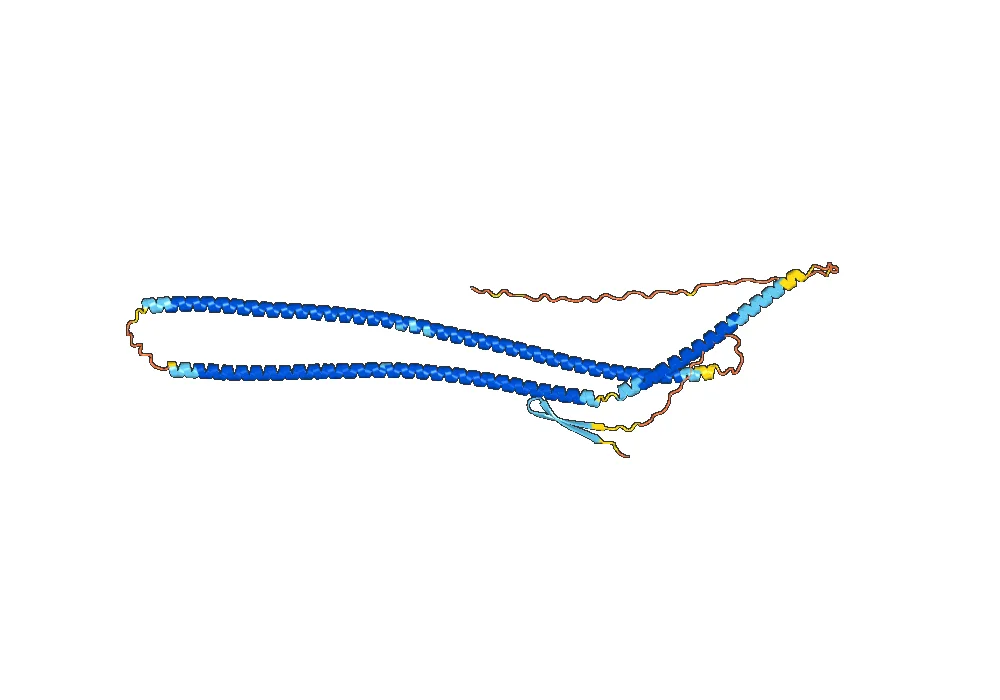
The Anti-Human MAP2 Monoclonal Antibody (1A558) is a highly specific antibody that targets the microtubule-associated protein 2 (MAP2) found in human cells. This antibody has been extensively studied and has shown promising results in various research areas, making it a valuable tool for scientists and researchers. In this article, we will discuss the structure, activity, and applications of this antibody in detail.
Structure of Anti-Human MAP2 Monoclonal Antibody (1A558)
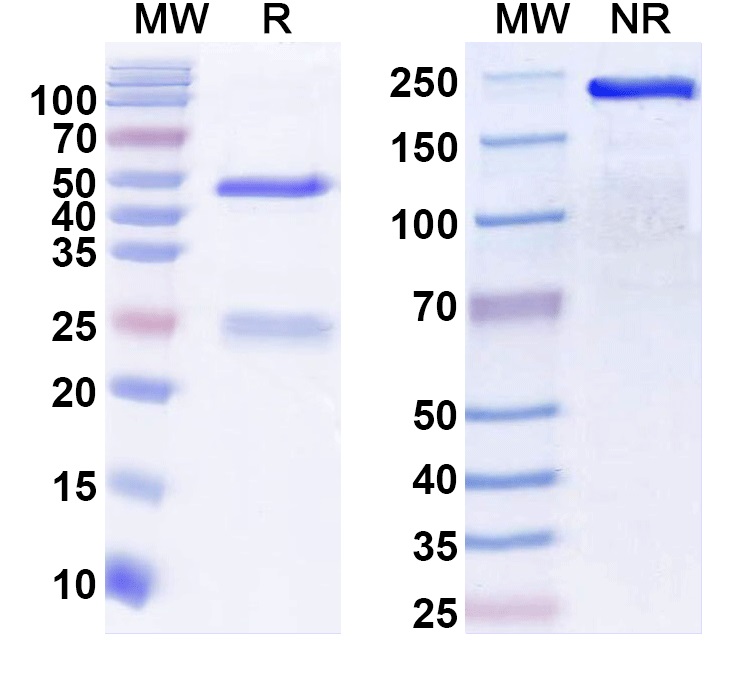
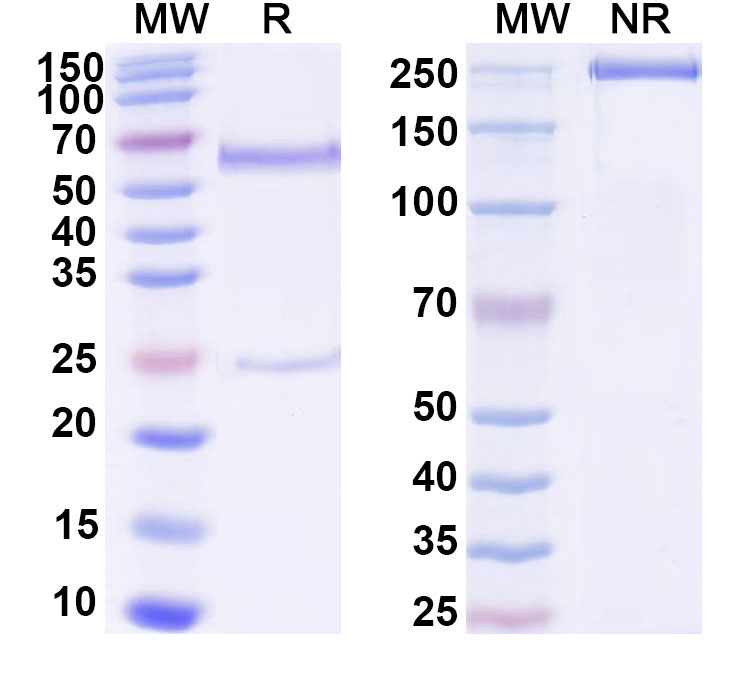
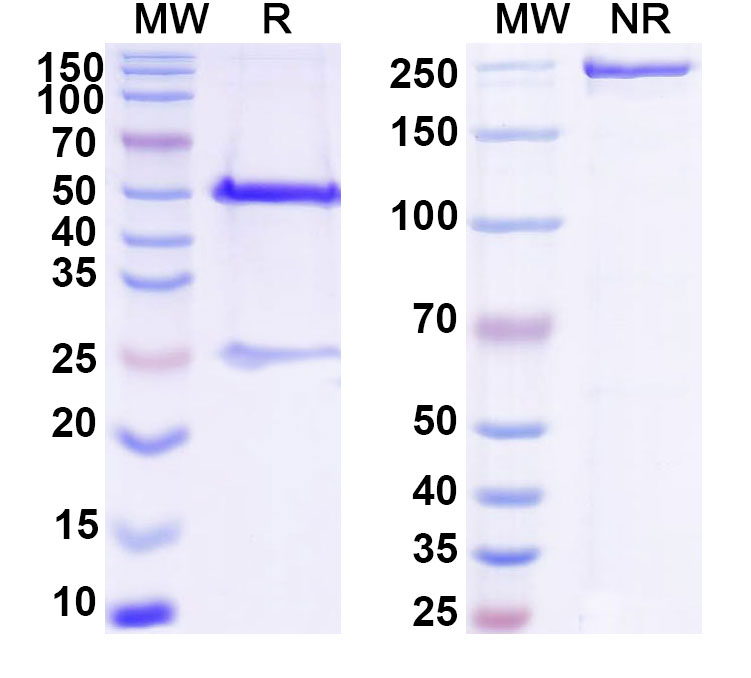
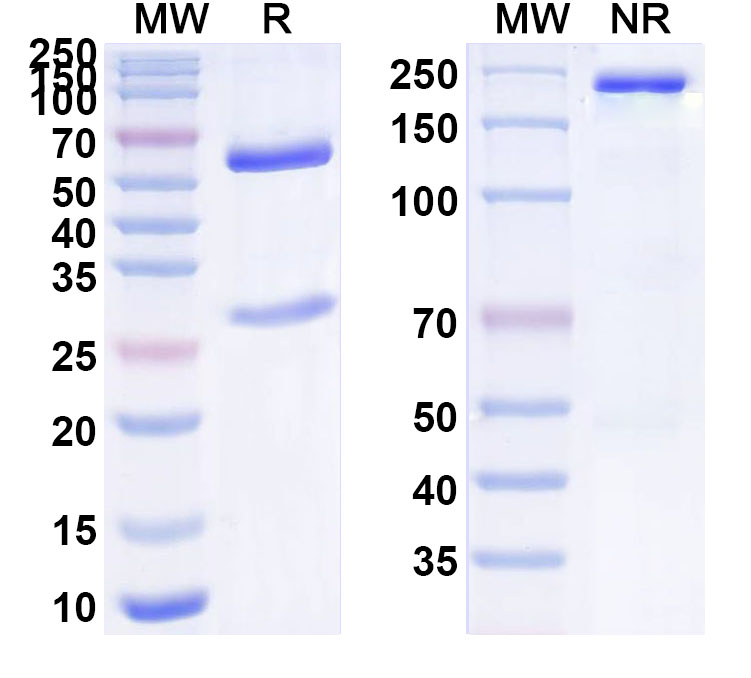
The Anti-Human MAP2 Monoclonal Antibody (1A558) is a monoclonal antibody, meaning it is produced by a single clone of cells. It is composed of two heavy chains and two light chains, which are connected by disulfide bonds. The heavy and light chains contain variable regions that recognize and bind specifically to the MAP2 protein. The constant regions of the antibody provide stability and effector functions.
Activity of Anti-Human MAP2 Monoclonal Antibody (1A558)
The primary function of the Anti-Human MAP2 Monoclonal Antibody (1A558) is to bind to the MAP2 protein and inhibit its activity. MAP2 is a cytoskeletal protein that plays a crucial role in stabilizing microtubules and regulating cell shape and movement. By binding to MAP2, this antibody disrupts its function and can lead to changes in cell morphology and motility.
In addition to its inhibitory activity, the Anti-Human MAP2 Monoclonal Antibody (1A558) also has other functions such as complement-dependent cytotoxicity (CDC) and antibody-dependent cell-mediated cytotoxicity (ADCC). These mechanisms involve the activation of immune cells to target and destroy cells that are bound by the antibody. This makes the antibody useful in cancer research, as it can target and eliminate cancer cells that overexpress MAP2.
Applications of Anti-Human MAP2 Monoclonal Antibody (1A558)
The Anti-Human MAP2 Monoclonal Antibody (1A558) has a wide range of applications in scientific research. Some of the key areas where this antibody has been used include:
Cancer Research
As mentioned earlier, the Anti-Human MAP2 Monoclonal Antibody (1A558) has shown promising results in targeting and eliminating cancer cells. It has been used in various studies to investigate the role of MAP2 in cancer progression and to develop potential therapeutic strategies.
Neuroscience
MAP2 is primarily found in neurons and plays a crucial role in neuronal development and function. The Anti-Human MAP2 Monoclonal Antibody (1A558) has been used in neuroscience research to study the structure and function of MAP2 in the brain. It has also been used to investigate neurodegenerative diseases such as Alzheimer’s and Parkinson’s, where MAP2 has been implicated.
Cell Biology
The Anti-Human MAP2 Monoclonal Antibody (1A558) has been used in cell biology studies to understand the role of MAP2 in cell division, migration, and differentiation. It has also been used to visualize and track microtubules in live cells, providing valuable insights into their dynamics and function.
Immunohistochemistry (IHC) and Immunofluorescence (IF)
The specific binding of the Anti-Human MAP2 Monoclonal Antibody (1A558) to MAP2 makes it an excellent tool for IHC and IF techniques. It has been used to detect and localize MAP2 in various tissues and cell types, providing valuable information about its expression and distribution.
Diagnostic and Therapeutic Applications
The Anti-Human MAP2 Monoclonal Antibody (1A558) has also been explored for diagnostic and therapeutic purposes. It has been used in diagnostic tests to detect the presence of MAP2 in patient samples,


There are no reviews yet.