Introduction
The Anti-Human MSLN Monoclonal Antibody (1A585) is a highly specific antibody that targets the mesothelin (MSLN) protein, which is overexpressed in various types of cancer. This antibody has been extensively studied and has shown promising results in both preclinical and clinical trials.
Structure of Anti-Human MSLN Monoclonal Antibody (1A585)
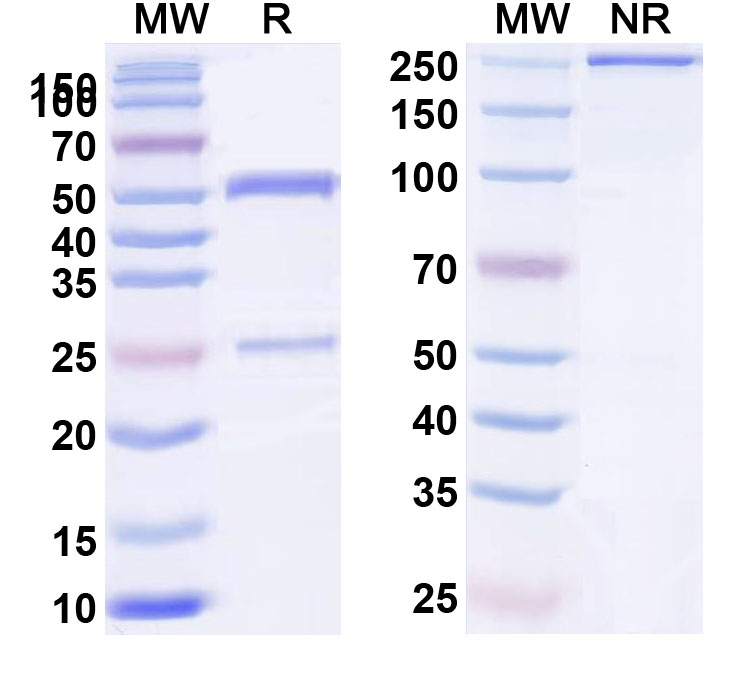
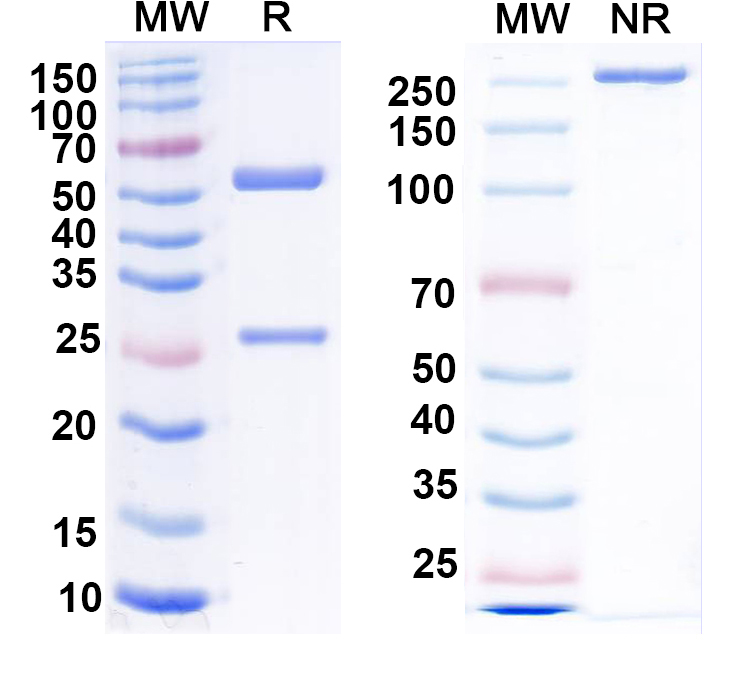
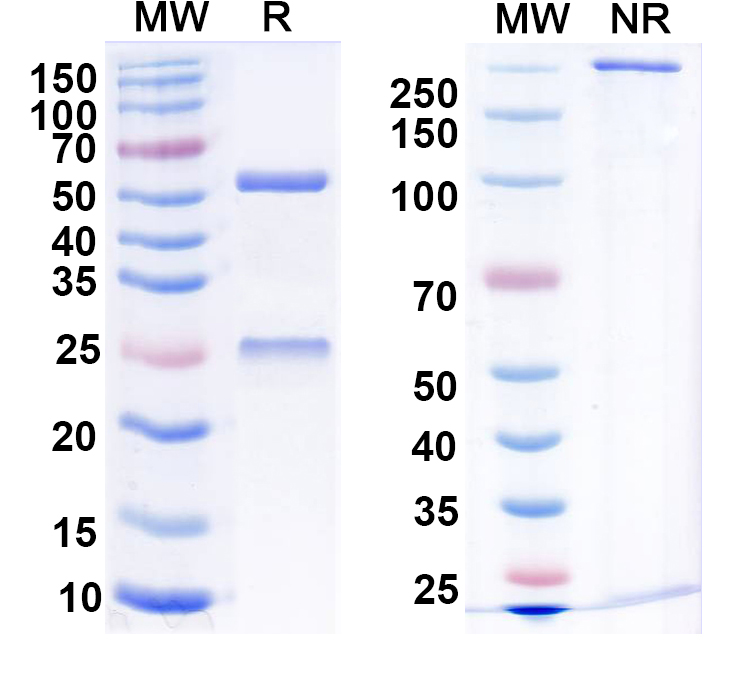
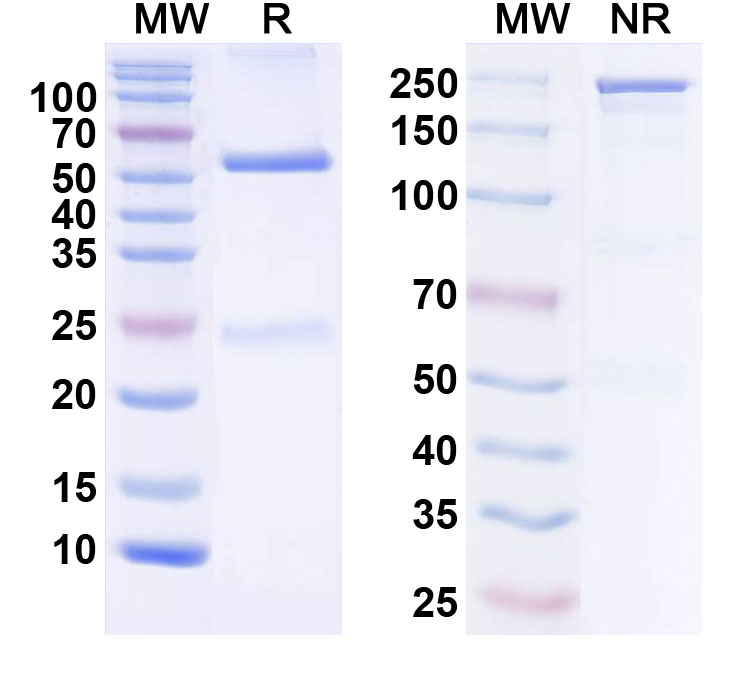
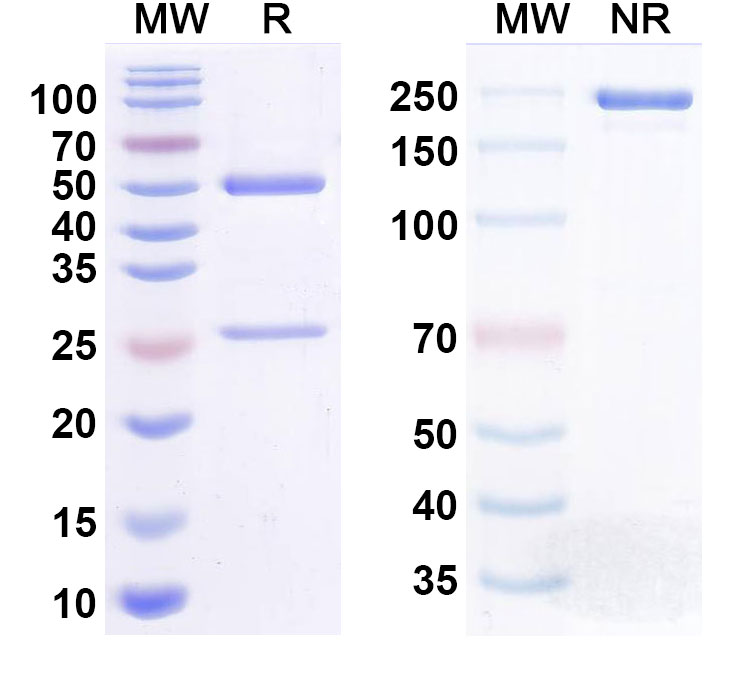
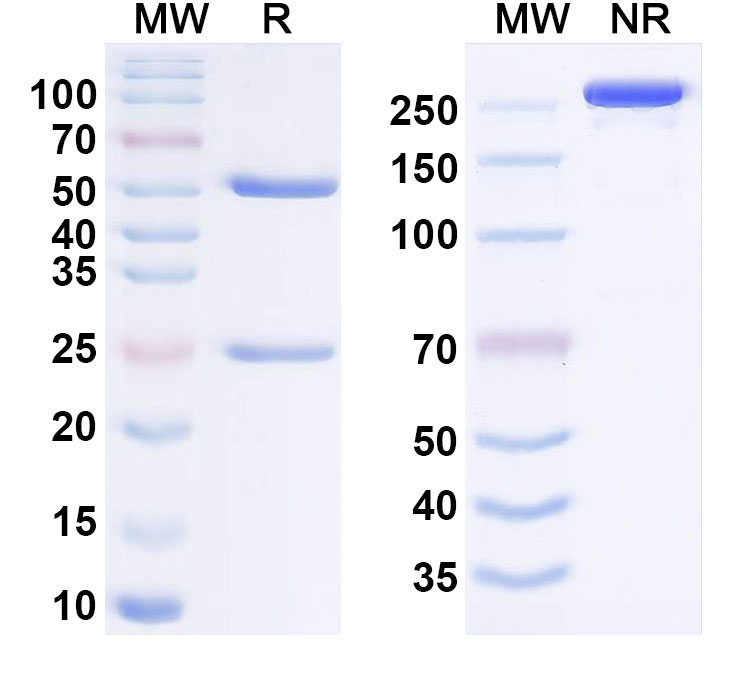
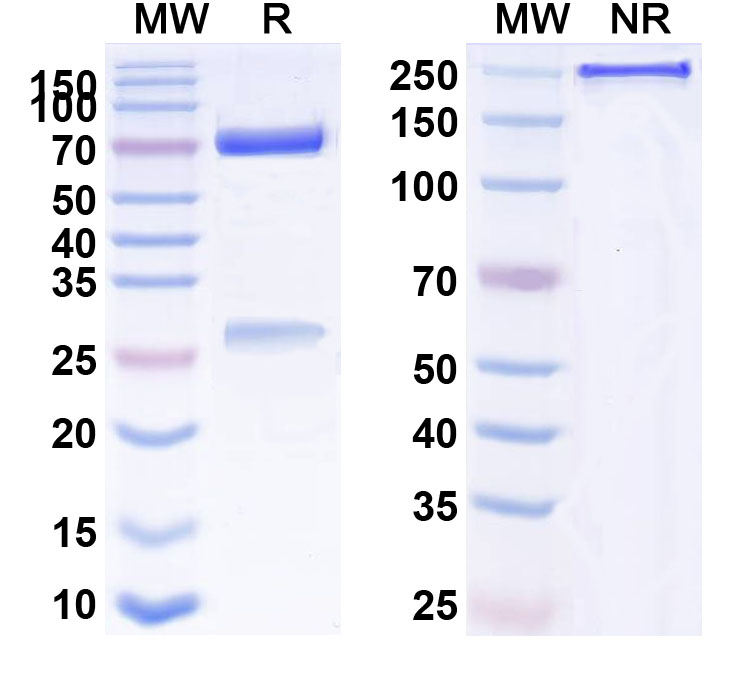
The Anti-Human MSLN Monoclonal Antibody (1A585) is a type of immunoglobulin G (IgG) antibody with a molecular weight of approximately 150 kDa. It is composed of two heavy chains and two light chains, which are connected by disulfide bonds. The antibody has a Y-shaped structure, with two antigen-binding fragments (Fab) at the ends of the arms and a crystallizable fragment (Fc) at the base.
Activity of Anti-Human MSLN Monoclonal Antibody (1A585)
The main activity of the Anti-Human MSLN Monoclonal Antibody (1A585) is its ability to bind specifically to the MSLN protein. MSLN is a cell surface glycoprotein that is highly expressed in various types of cancer, including mesothelioma, ovarian, pancreatic, and lung cancer. The antibody binds to the MSLN protein with high affinity, inhibiting its function and leading to cell death.
In addition to its direct binding activity, Anti-Human MSLN Monoclonal Antibody (1A585) also has an immune-modulating effect. It can activate the body’s immune system to recognize and attack cancer cells that express MSLN. This makes it a promising candidate for cancer immunotherapy.
Application of Anti-Human MSLN Monoclonal Antibody (1A585)
The Anti-Human MSLN Monoclonal Antibody (1A585) has shown great potential in the treatment of various types of cancer. In preclinical studies, it has been shown to inhibit tumor growth and induce cell death in MSLN-expressing cancer cells. In addition, it has been shown to enhance the effectiveness of chemotherapy and radiation therapy when used in combination.
The antibody has also been tested in clinical trials and has shown promising results. In a phase I clinical trial, it was found to be well-tolerated and showed anti-tumor activity in patients with advanced solid tumors. In a phase II clinical trial, it was found to be effective in treating mesothelioma, a type of cancer that is highly associated with MSLN overexpression.
In addition to its therapeutic applications, Anti-Human MSLN Monoclonal Antibody (1A585) also has potential diagnostic uses. It can be used as a biomarker for MSLN-expressing cancers, allowing for early detection and monitoring of disease progression.
Conclusion
In summary, the Anti-Human MSLN Monoclonal Antibody (1A585) is a highly specific antibody with both direct and immune-modulating activities against the MSLN protein. It has shown great potential in the treatment of various types of cancer, and its diagnostic applications make it a valuable tool in cancer management. Further research and clinical trials are needed to fully explore the potential of this antibody in cancer therapy.


There are no reviews yet.