Anti-Human MX1 Monoclonal Antibody (1A680)
Overview
The Anti-Human MX1 Monoclonal Antibody (1A680) is a type of antibody that specifically targets the human MX1 protein. This antibody is a powerful tool for research in the field of immunology and has potential applications in the treatment of various diseases.
Structure
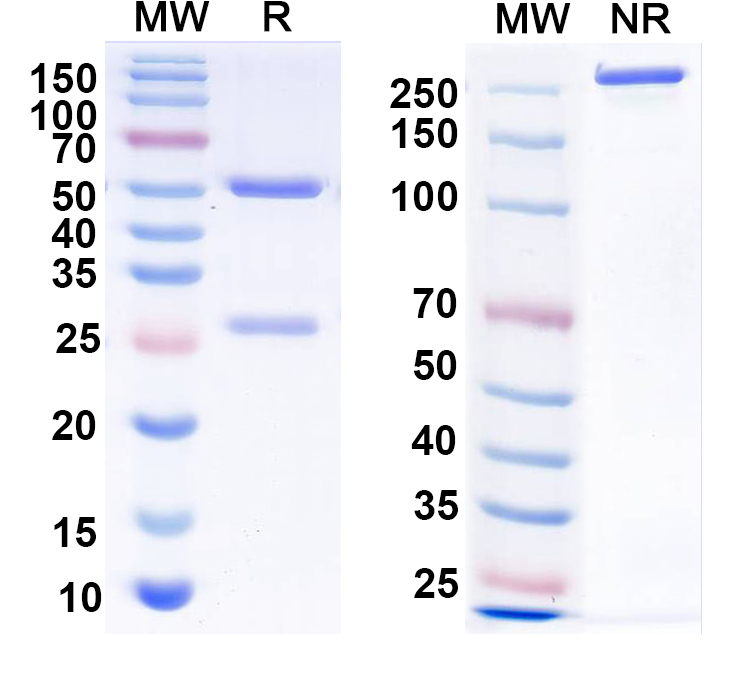
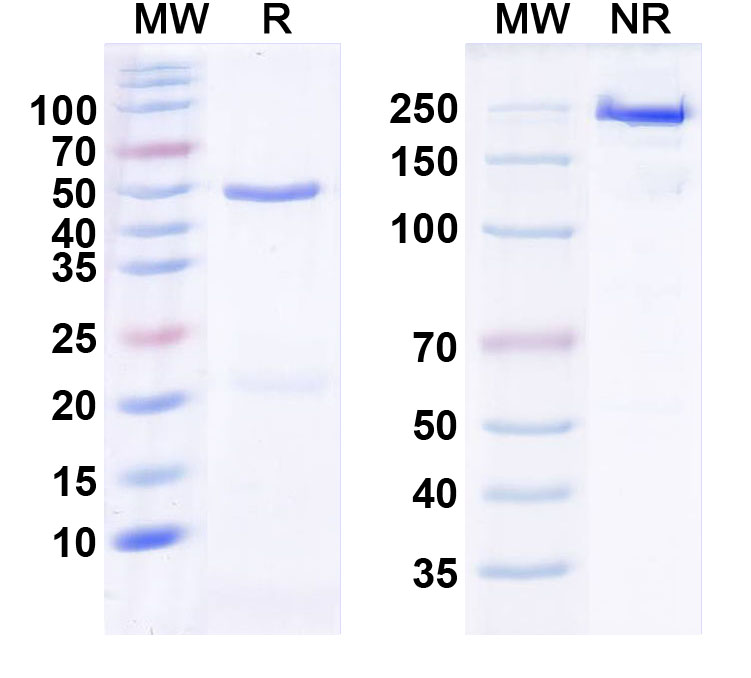
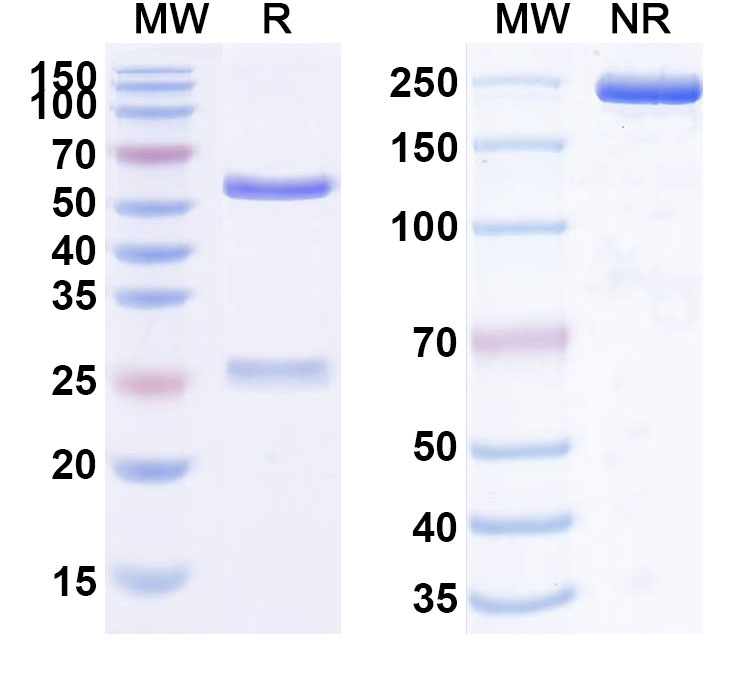
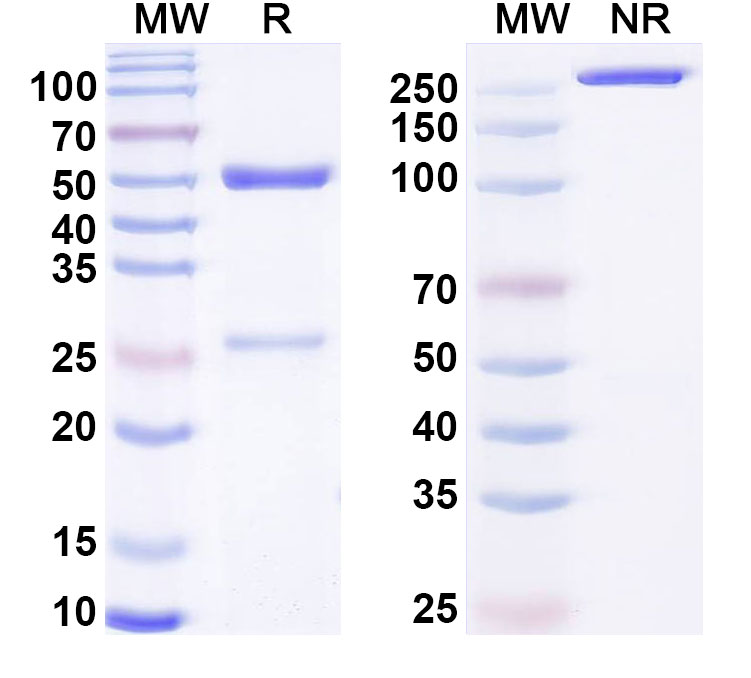
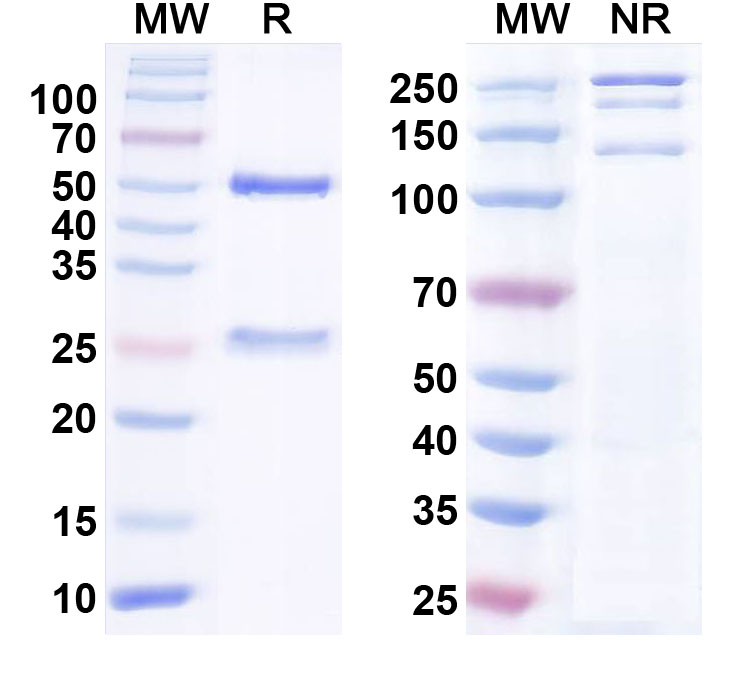
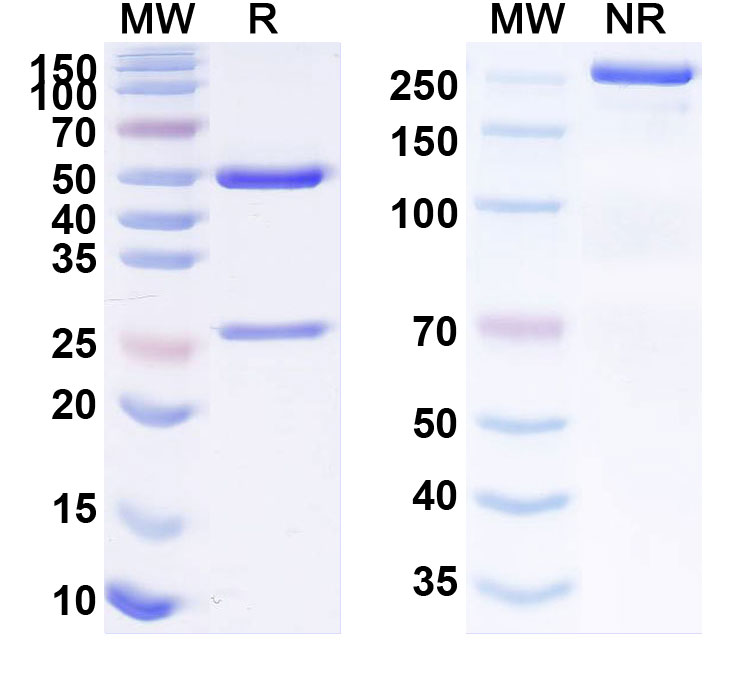
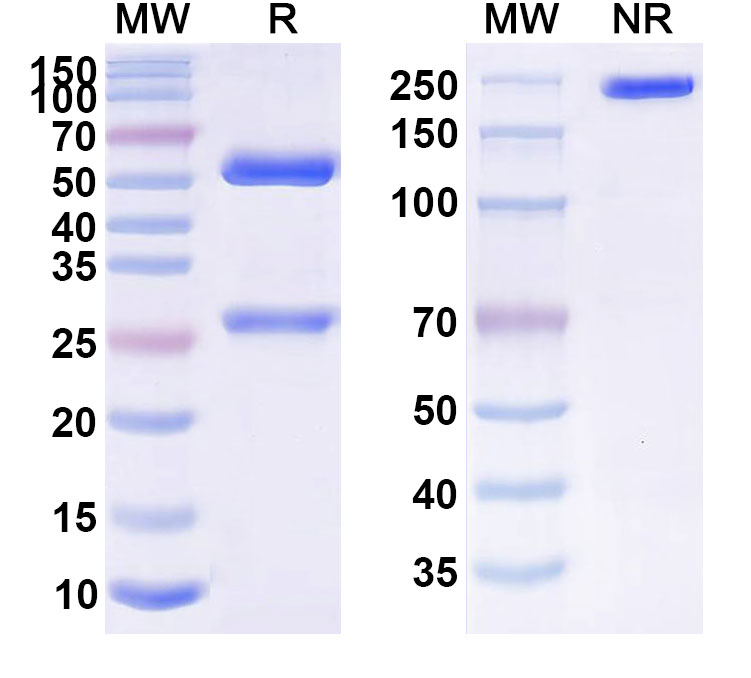
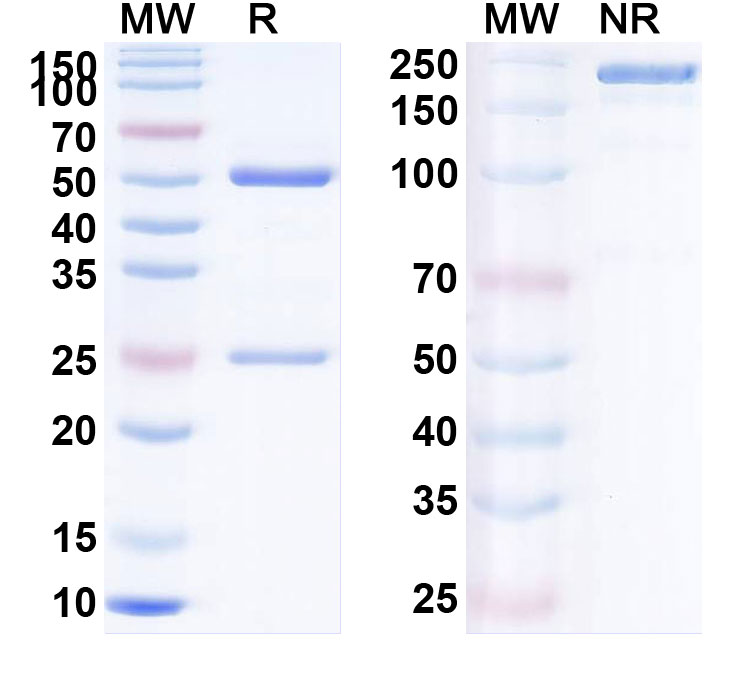
The Anti-Human MX1 Monoclonal Antibody (1A680) is a type of monoclonal antibody, meaning it is produced by a single clone of cells and is highly specific in its binding to the MX1 protein. It is a Y-shaped molecule composed of two heavy chains and two light chains, with a total molecular weight of approximately 150 kDa.
The variable region of the antibody, also known as the antigen-binding site, is responsible for its specificity and binds to a specific region on the MX1 protein. The constant region, on the other hand, is responsible for the effector functions of the antibody, such as activating the immune response.
Activity
The Anti-Human MX1 Monoclonal Antibody (1A680) targets the MX1 protein, which is a type I interferon-induced GTPase. MX1 plays a critical role in the innate immune response by inhibiting viral replication and promoting cell survival. This antibody binds to MX1 and prevents its activity, thereby allowing for the study of its function and potential therapeutic applications.
Additionally, the Anti-Human MX1 Monoclonal Antibody (1A680) can also be used in techniques such as Western blotting, immunohistochemistry, and flow cytometry to detect the presence of MX1 in different samples. This allows for the analysis of MX1 expression levels in various tissues and cell types.
Application
The Anti-Human MX1 Monoclonal Antibody (1A680) has a wide range of potential applications in both research and clinical settings.
Research:
- Studying the role of MX1 in the innate immune response and its interaction with other proteins involved in viral defense.
- Investigating the mechanisms of viral replication and the potential of MX1 as a therapeutic target for antiviral treatments.
- Examining the expression levels of MX1 in different tissues and cell types to understand its role in different diseases.
Clinical:
- Developing novel therapies for viral infections by targeting MX1 with the Anti-Human MX1 Monoclonal Antibody (1A680).
- Assessing the efficacy of MX1-targeted treatments in clinical trials.
- Using the Anti-Human MX1 Monoclonal Antibody (1A680) as a diagnostic tool for measuring MX1 levels in patients with viral infections or autoimmune diseases.
Conclusion
The Anti-Human MX1 Monoclonal Antibody (1A680) is a valuable tool for researchers in the field of immunology and has potential applications in the treatment of various diseases. Its structure, activity, and applications make it a versatile and effective antibody for studying the role of MX1 in the immune response and developing new therapies for viral infections. With further research and development, this antibody may hold the key to unlocking new treatments for a wide range of diseases.
There are no reviews yet.