Title: Introduction to Anti-Human NR5A1 Monoclonal Antibody (1A706)
Anti-Human NR5A1 Monoclonal Antibody (1A706) is a type of monoclonal antibody that specifically targets the NR5A1 protein in humans. This protein, also known as steroidogenic factor 1 (SF-1), is a transcription factor that plays a crucial role in the development and function of various organs and tissues in the body. In this article, we will delve into the structure, activity, and potential applications of this antibody.
Structure of Anti-Human NR5A1 Monoclonal Antibody (1A706)
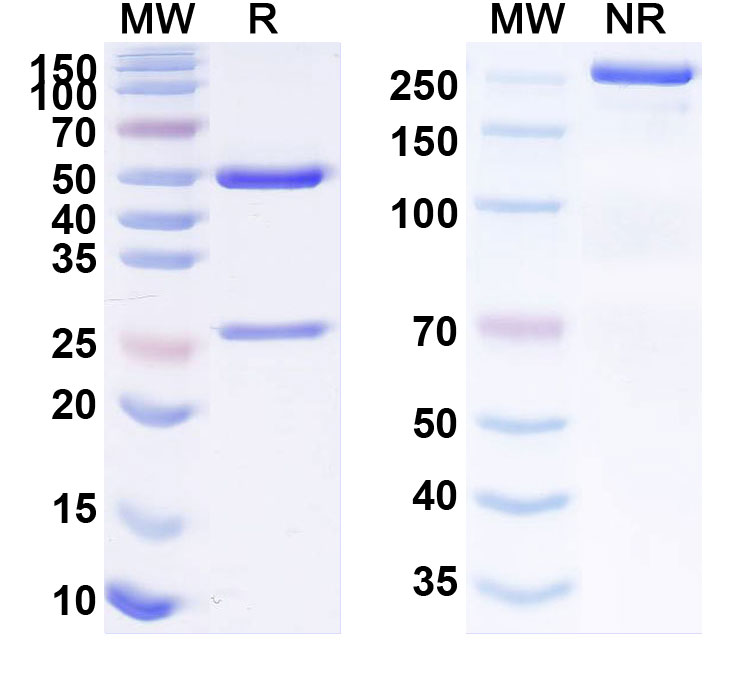
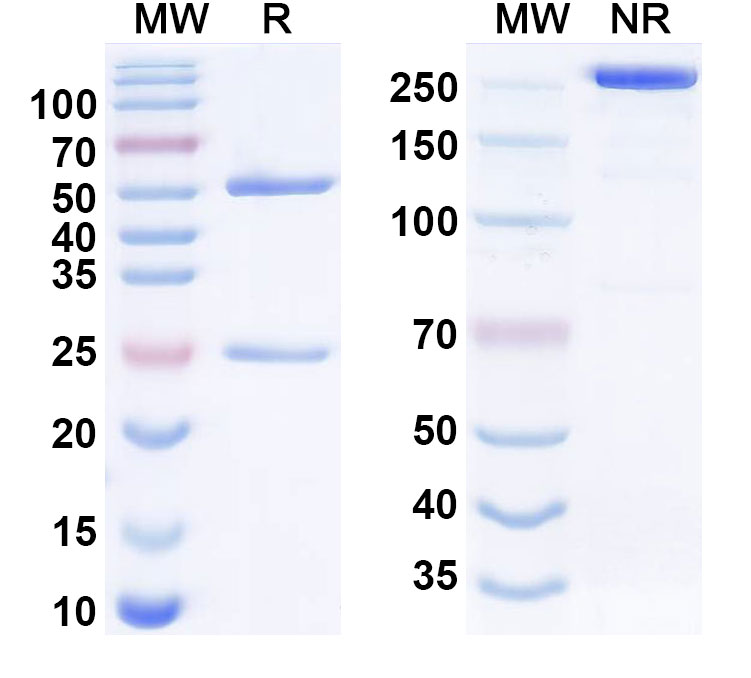
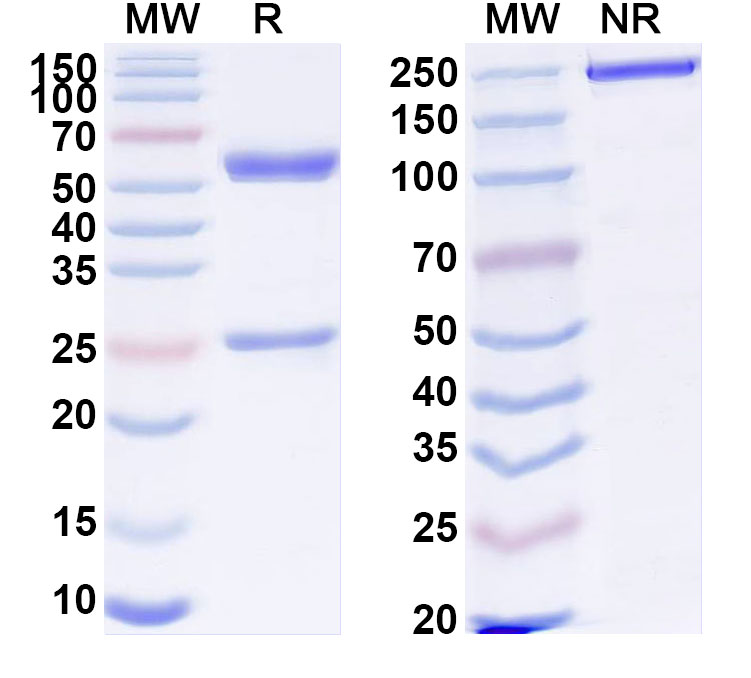
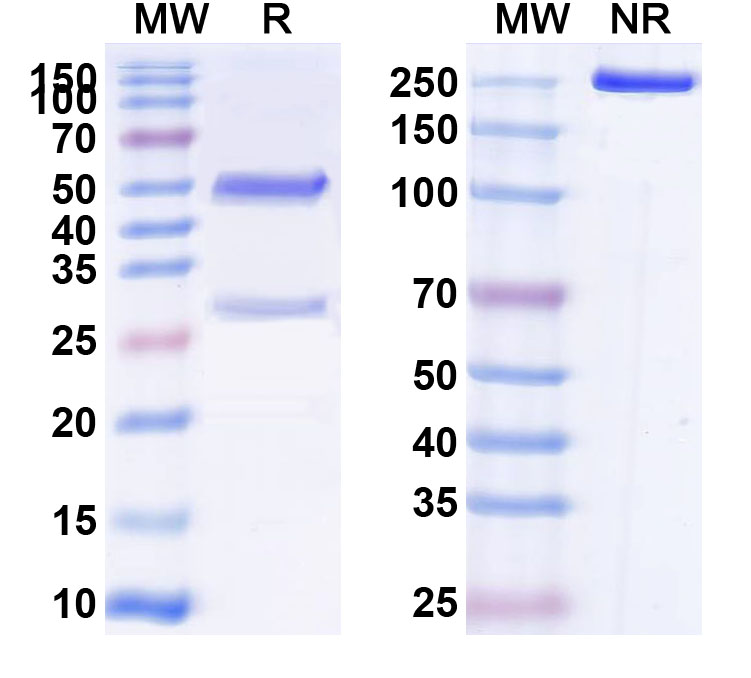
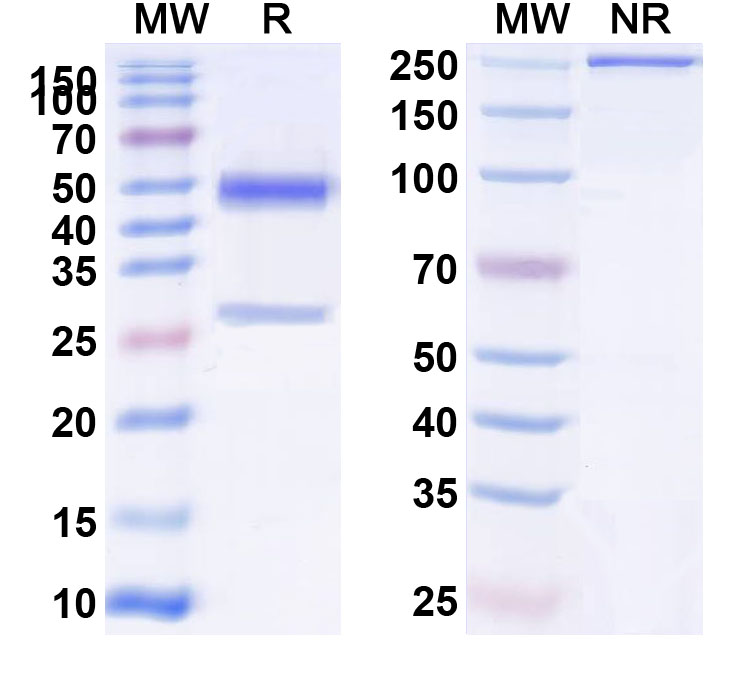
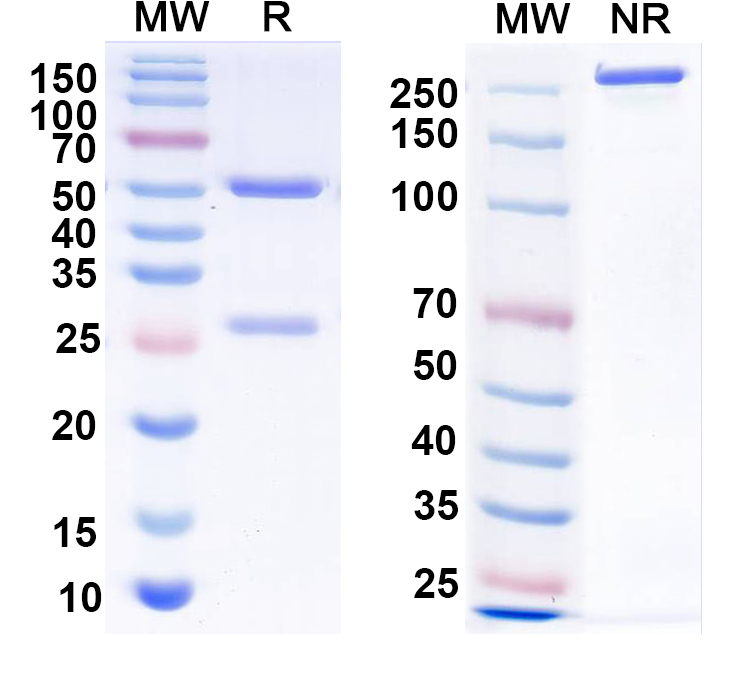
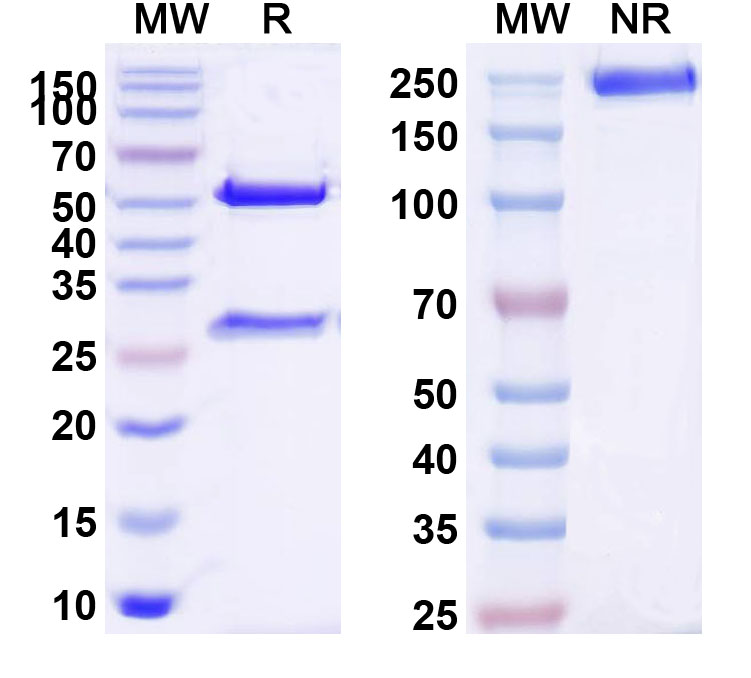
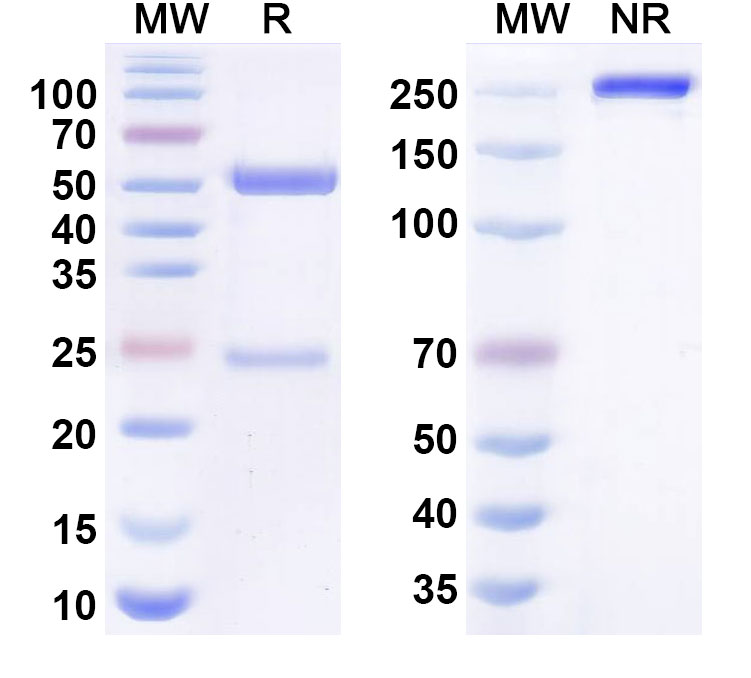
Anti-Human NR5A1 Monoclonal Antibody (1A706) is a type of protein-based antibody that is produced in the laboratory by cloning a single type of immune cell. This antibody is made specifically to target the NR5A1 protein, which is a nuclear receptor that regulates the expression of genes involved in steroidogenesis and sexual development. The antibody is composed of two heavy chains and two light chains, arranged in a Y-shaped structure. The variable regions of the antibody are responsible for binding to the NR5A1 protein, while the constant regions provide stability and effector functions.
Activity of Anti-Human NR5A1 Monoclonal Antibody (1A706)
The main activity of Anti-Human NR5A1 Monoclonal Antibody (1A706) is to bind to the NR5A1 protein and inhibit its function. This antibody has been shown to block the interaction of NR5A1 with its coactivators, thereby preventing the transcription of target genes. This activity is highly specific, as the antibody only binds to NR5A1 and does not interfere with other nuclear receptors or transcription factors. Additionally, this antibody has been found to reduce the expression of NR5A1 target genes, such as those involved in steroidogenesis and sexual development.
Applications of Anti-Human NR5A1 Monoclonal Antibody (1A706)
The unique structure and activity of Anti-Human NR5A1 Monoclonal Antibody (1A706) make it a valuable tool in various research areas. One of its potential applications is in the study of steroidogenesis, as NR5A1 is a key regulator of this process. By inhibiting NR5A1 function, researchers can investigate the role of this protein in the production of steroid hormones, which are essential for various physiological processes. Furthermore, this antibody can be used to study the role of NR5A1 in sexual development, as this protein is involved in the differentiation of gonads and the development of reproductive organs.
In addition to its research applications, Anti-Human NR5A1 Monoclonal Antibody (1A706) has potential therapeutic uses. NR5A1 has been implicated in various diseases, such as endometriosis and adrenal tumors, and targeting this protein with an antibody could provide a novel treatment approach. Furthermore, this antibody has been shown to reduce the growth and survival of cancer cells that depend on NR5A1 for their proliferation, making it a promising candidate for cancer therapy.
Conclusion
In summary, Anti-Human NR5A1 Monoclonal Antibody (1A706) is a protein-based antibody that specifically targets the NR5A1 protein. Its unique structure and activity make it a valuable tool for studying the role of NR5A1 in various physiological processes, as well as a potential therapeutic agent for diseases involving this protein. Further research on this antibody may uncover new insights into the function of NR5A1 and its potential as a therapeutic target.

There are no reviews yet.