Introduction
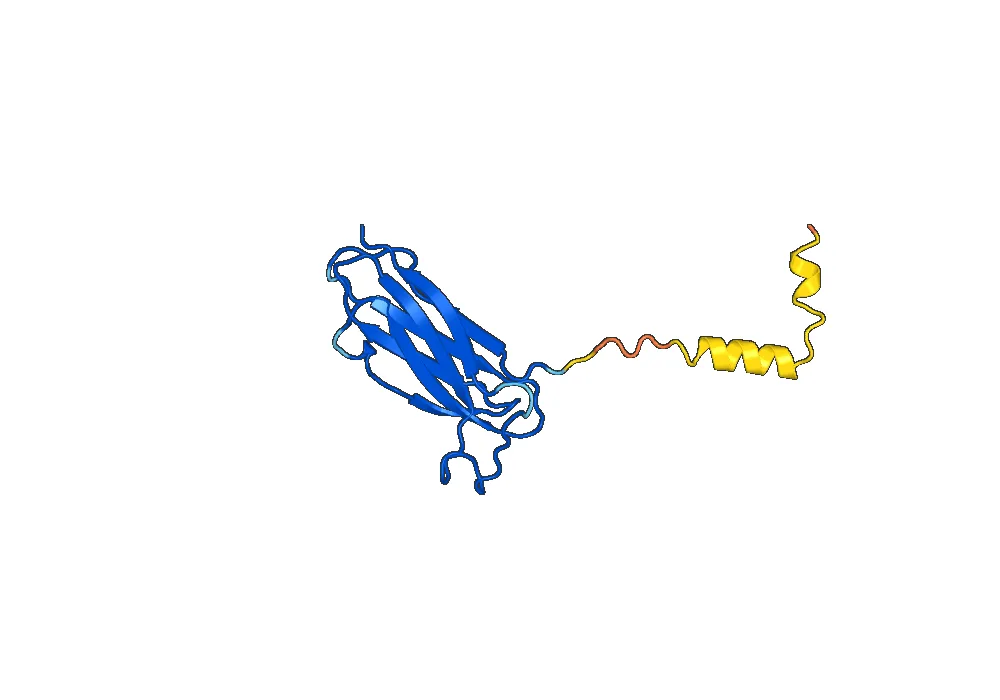
Anti-Human PIP Monoclonal Antibody (1A568) is a type of antibody that specifically targets the human Prostatic Inhibin Peptide (PIP). PIP is a protein found in the prostate gland and has been implicated in various diseases, making it an important research target. In this article, we will explore the structure, activity, and application of Anti-Human PIP Monoclonal Antibody (1A568).
Structure of Anti-Human PIP Monoclonal Antibody (1A568)
Anti-Human PIP Monoclonal Antibody (1A568) is a type of monoclonal antibody, meaning it is produced by a single type of immune cell. It is derived from a hybridoma cell line, which is created by fusing a B cell from an immunized animal with a myeloma cell. This process results in a hybrid cell that can continuously produce large quantities of identical antibodies.
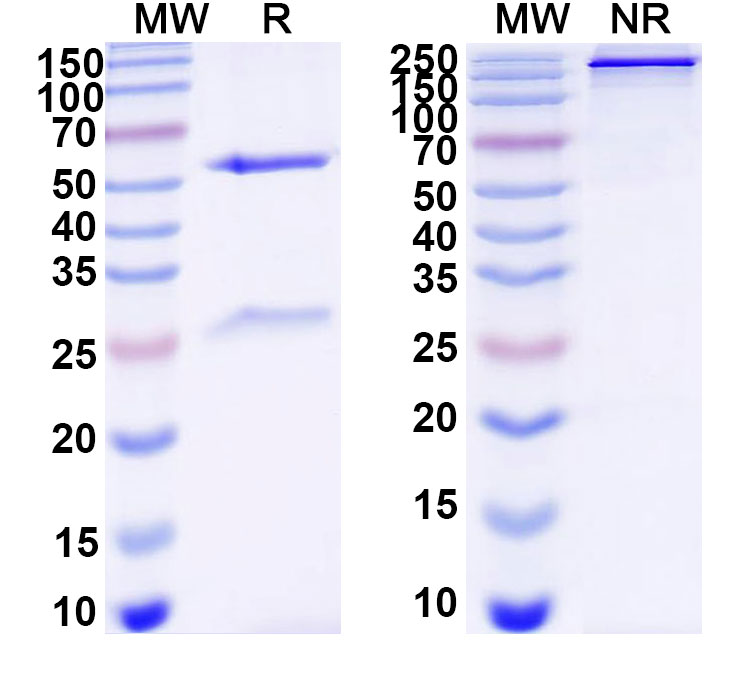
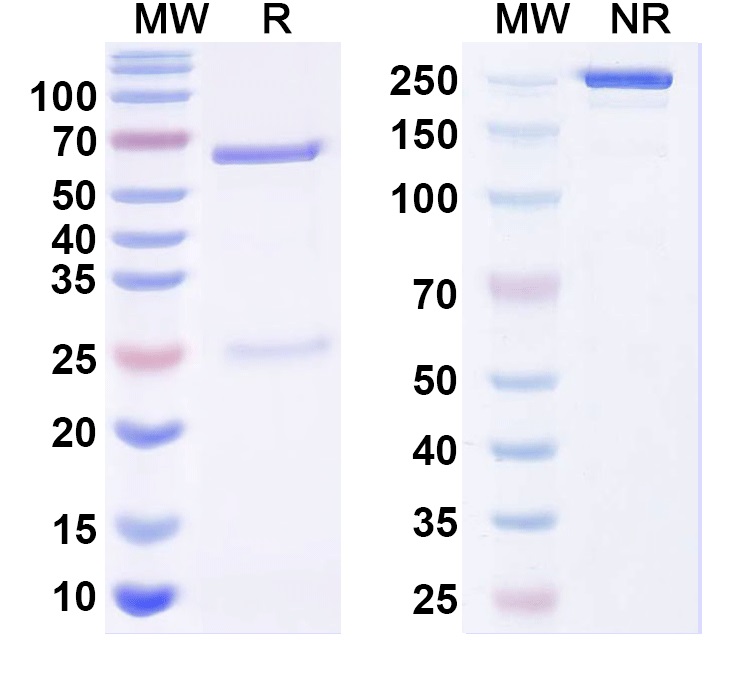
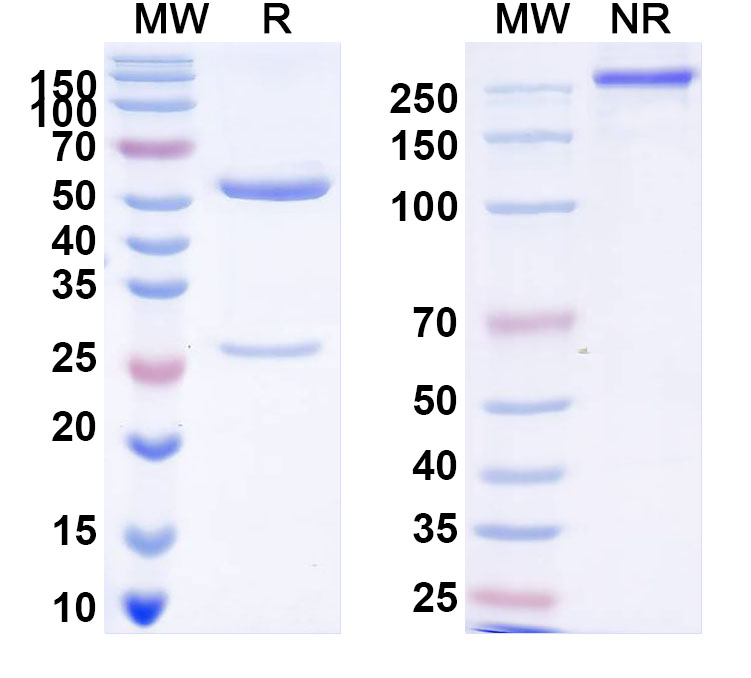
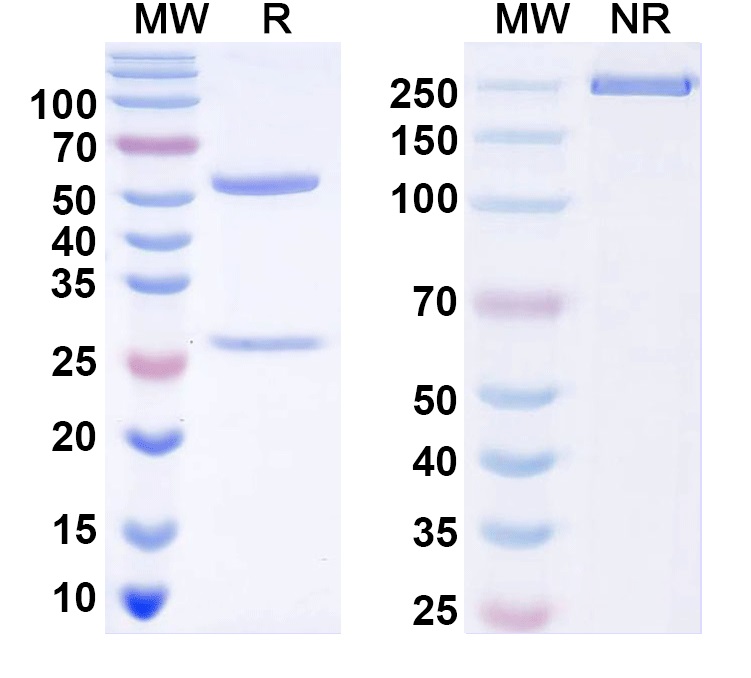
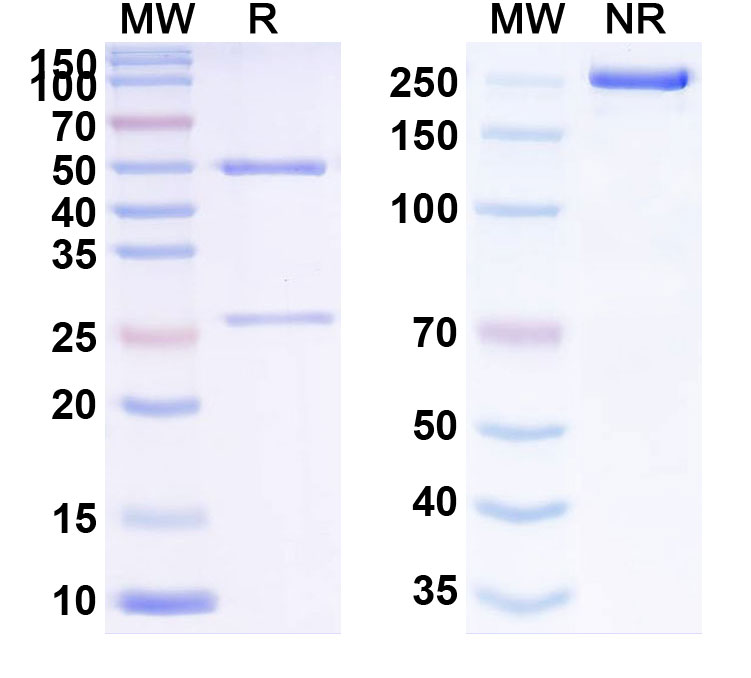
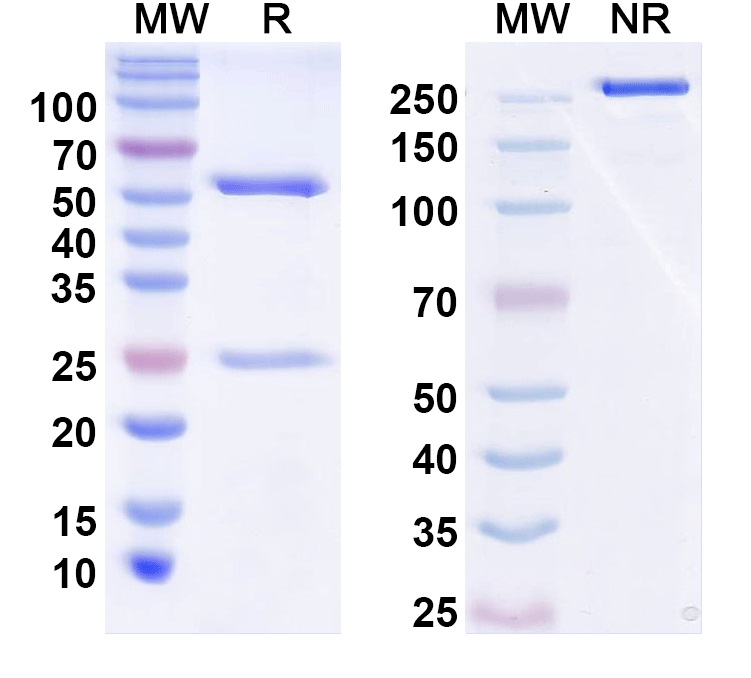
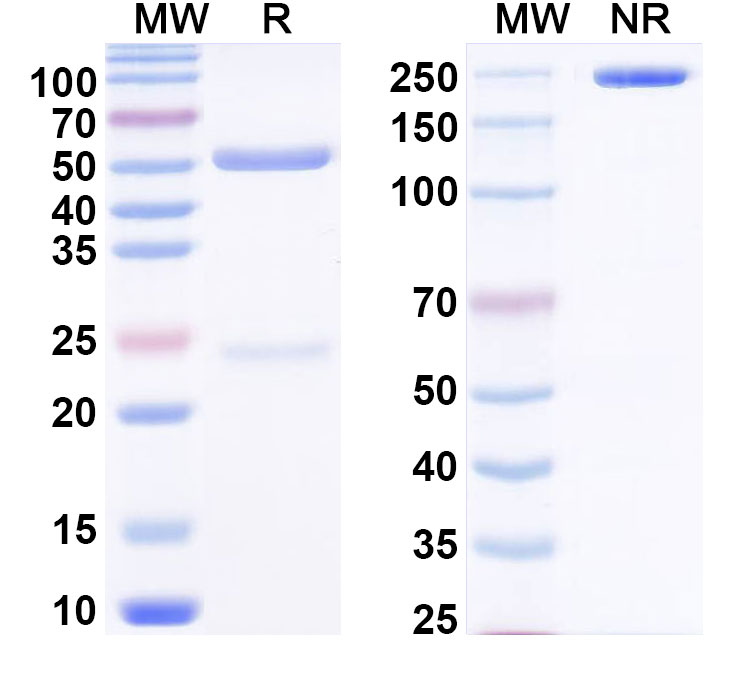
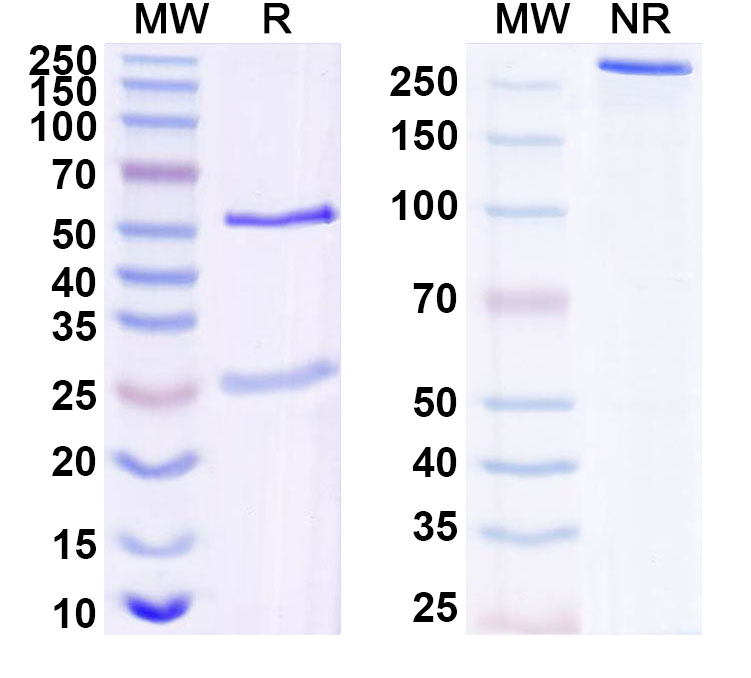
The structure of Anti-Human PIP Monoclonal Antibody (1A568) is made up of two heavy chains and two light chains, which are connected by disulfide bonds. These chains are composed of amino acids and have a specific sequence that determines the antibody’s specificity for PIP. The heavy chains are responsible for binding to PIP, while the light chains help to stabilize the antibody’s structure.
Activity of Anti-Human PIP Monoclonal Antibody (1A568)
Anti-Human PIP Monoclonal Antibody (1A568) is specifically designed to bind to PIP, making it a highly specific and effective tool for research. When PIP is present, the antibody will bind to it, forming an antigen-antibody complex. This binding can be detected through various techniques, such as enzyme-linked immunosorbent assay (ELISA) or immunohistochemistry.
The activity of Anti-Human PIP Monoclonal Antibody (1A568) is not limited to just binding to PIP. It can also be used for various applications, such as Western blotting, flow cytometry, and immunoprecipitation. These techniques allow researchers to detect, quantify, and isolate PIP in various biological samples.
Applications of Anti-Human PIP Monoclonal Antibody (1A568)
Anti-Human PIP Monoclonal Antibody (1A568) has a wide range of applications in both research and clinical settings. One of its main uses is in the study of prostate cancer, as PIP has been found to be overexpressed in this disease. By using this antibody, researchers can better understand the role of PIP in prostate cancer development and progression.
In addition to prostate cancer, Anti-Human PIP Monoclonal Antibody (1A568) has also been used in the study of other diseases, such as polycystic ovary syndrome and endometriosis. These conditions are also associated with increased levels of PIP, and this antibody can help researchers further investigate their mechanisms.
Moreover, Anti-Human PIP Monoclonal Antibody (1A568) has potential applications in the development of diagnostic tests and therapeutic strategies. By targeting PIP, this antibody can aid in the early detection and treatment of diseases associated with PIP dysregulation.
Conclusion
In summary, Anti-Human PIP Monoclonal Antibody (1A568) is a highly specific and versatile tool for research targeting PIP. Its unique structure and activity make it an essential component in the study of various diseases, particularly prostate cancer. With its wide range of applications, this antibody has the potential to contribute to the development of new diagnostic and therapeutic approaches for PIP-related diseases.
There are no reviews yet.