Introduction
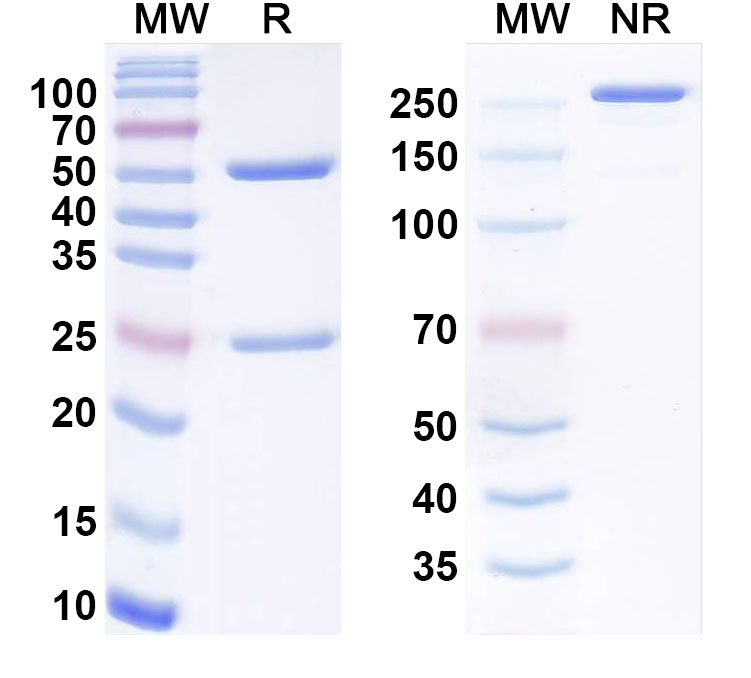
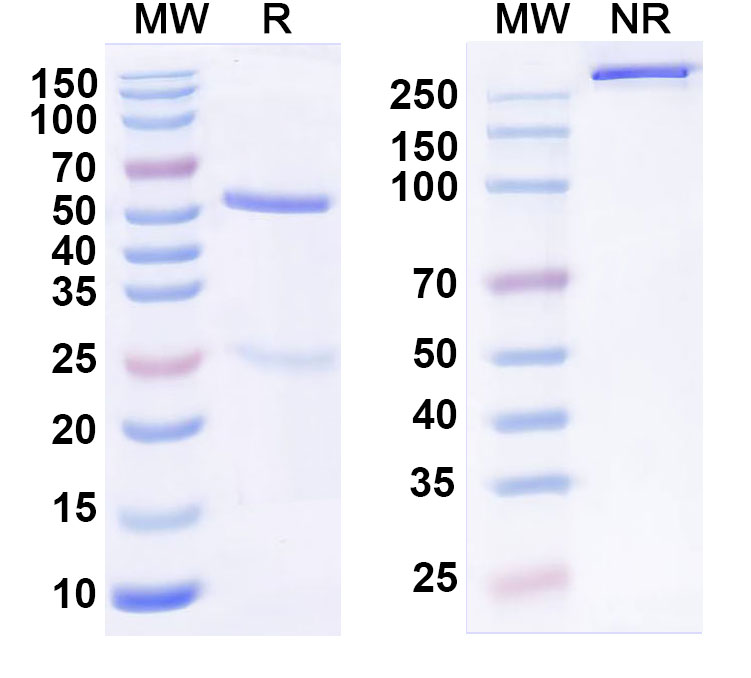
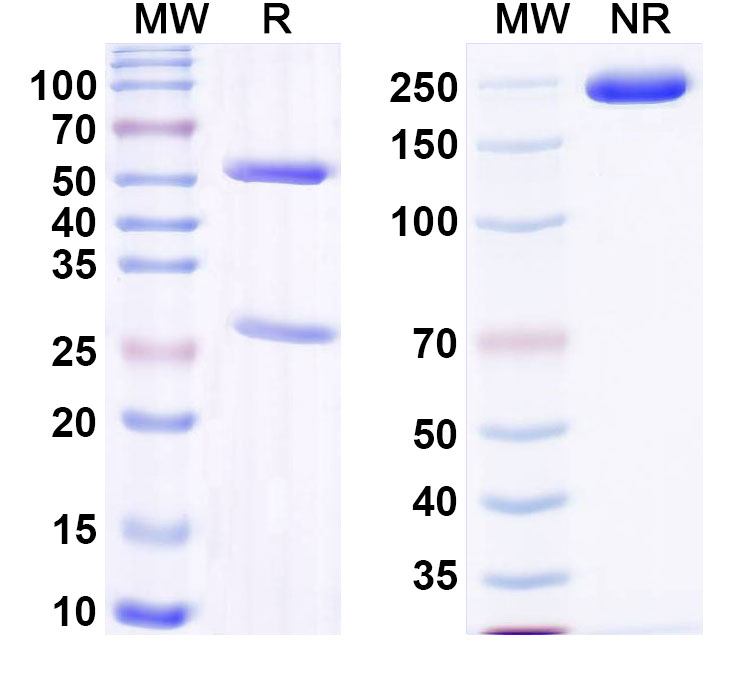
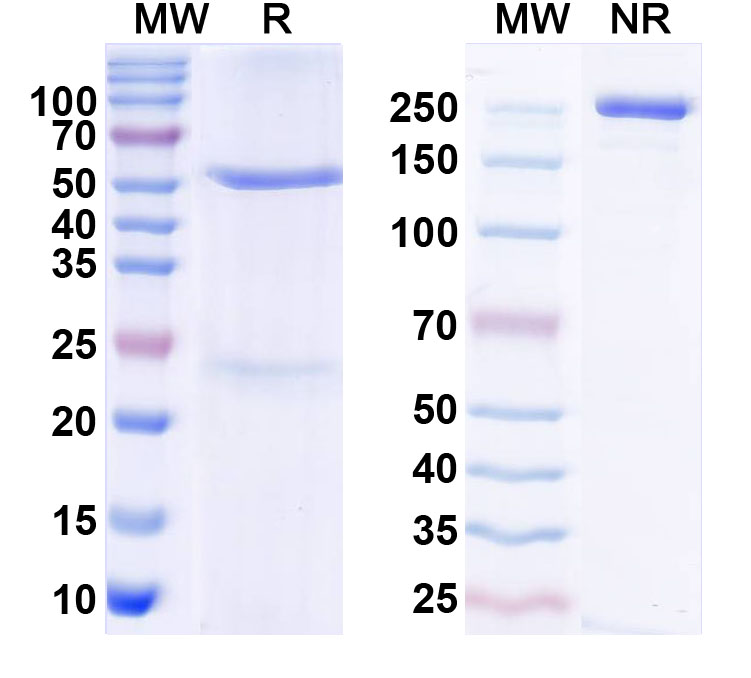
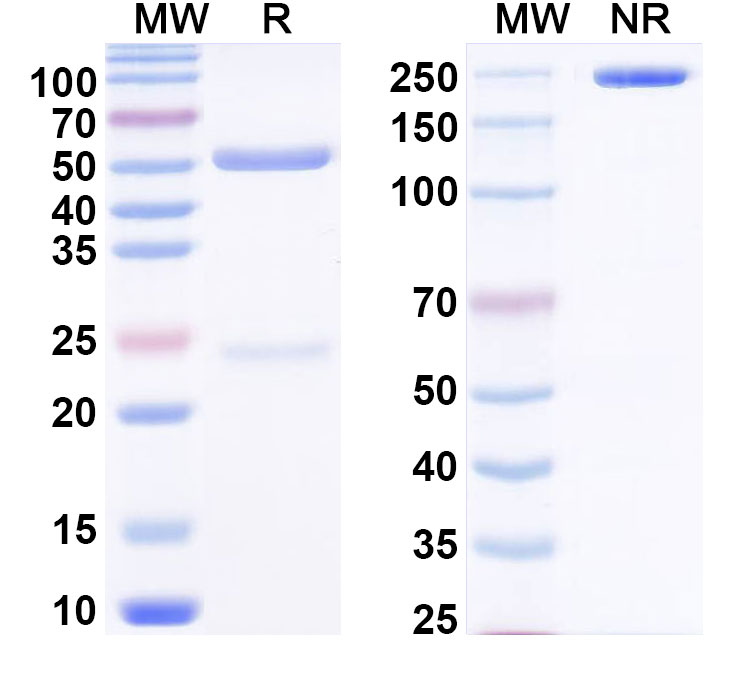
The Anti-Human PSEN2 Monoclonal Antibody (1A529) is a highly specific antibody that targets the human Presenilin-2 (PSEN2) protein. PSEN2 is a transmembrane protein that plays a crucial role in the processing and production of amyloid beta (Aβ) peptides, which are the main component of amyloid plaques found in the brains of patients with Alzheimer’s disease (AD). This antibody has been extensively studied and shown to have potential applications in both research and clinical settings.
Structure of PSEN2 and its role in AD
PSEN2 is a 448 amino acid protein that is predominantly expressed in the brain, with higher levels found in the hippocampus and cerebral cortex. It is a key component of the γ-secretase complex, which is responsible for the cleavage of amyloid precursor protein (APP) to produce Aβ peptides. Mutations in the PSEN2 gene have been linked to early-onset familial AD, highlighting its importance in the development of this neurodegenerative disease.
In AD, the abnormal processing of APP by the γ-secretase complex leads to the accumulation of Aβ peptides, which can form toxic oligomers and ultimately result in the formation of amyloid plaques. These plaques are a hallmark pathological feature of AD and are associated with neuronal death and cognitive decline.
Activity of Anti-Human PSEN2 Monoclonal Antibody (1A529)
The 1A529 antibody specifically binds to the extracellular domain of PSEN2, inhibiting its activity and preventing the cleavage of APP. This results in a decrease in the production of Aβ peptides and can potentially slow down the progression of AD. In addition, this antibody has also been shown to reduce the levels of Aβ oligomers, which are thought to be the most toxic form of Aβ.
Furthermore, studies have demonstrated that the 1A529 antibody can also modulate the activity of other γ-secretase substrates, such as Notch, without affecting their cleavage. This is particularly important as the inhibition of Notch signaling has been associated with adverse effects, such as gastrointestinal toxicity and skin cancer. Therefore, the specific targeting of PSEN2 by this antibody minimizes the potential for off-target effects.
Applications of Anti-Human PSEN2 Monoclonal Antibody (1A529)
The 1A529 antibody has shown promise in both research and clinical applications. In research, it has been used to study the role of PSEN2 in AD and to investigate potential therapeutic strategies for the disease. It has also been used in preclinical studies to evaluate the efficacy and safety of targeting PSEN2 as a treatment for AD.
In clinical settings, the 1A529 antibody has been explored as a potential therapeutic for AD. A Phase I clinical trial has been conducted, which demonstrated the safety and tolerability of the antibody in healthy volunteers. Currently, a Phase II clinical trial is ongoing to evaluate the efficacy of the antibody in patients with mild to moderate AD.
Conclusion
The Anti-Human PSEN2 Monoclonal Antibody (1A529) is a highly specific antibody that targets PSEN2, a key protein involved in the development of AD. Its ability to inhibit the activity of PSEN2 and reduce the levels of Aβ peptides makes it a promising therapeutic candidate for the treatment of AD. Further research and clinical trials are needed to fully understand the potential of this antibody in the fight against AD.
There are no reviews yet.