Introduction
Anti-Human SH2D1A Monoclonal Antibody (1A650) is a type of antibody that specifically targets the SH2D1A protein in humans. This protein is involved in regulating immune responses and is known to play a crucial role in the development of certain diseases. In this article, we will discuss the structure, activity, and application of this monoclonal antibody in scientific research.
Structure of Anti-Human SH2D1A Monoclonal Antibody (1A650)
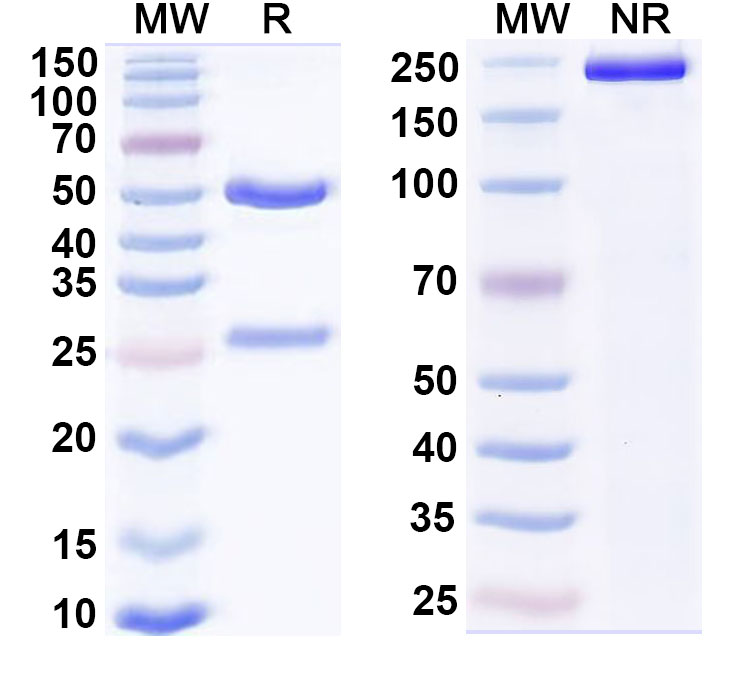
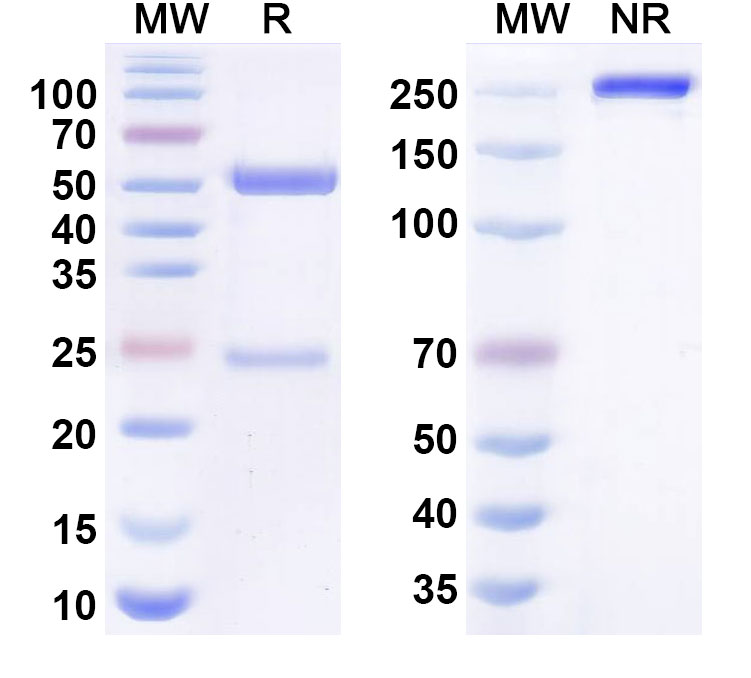
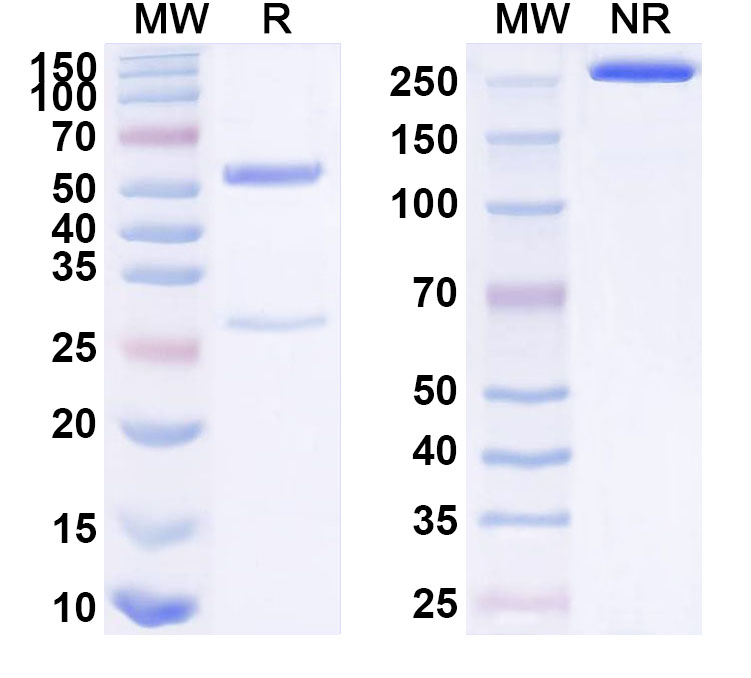
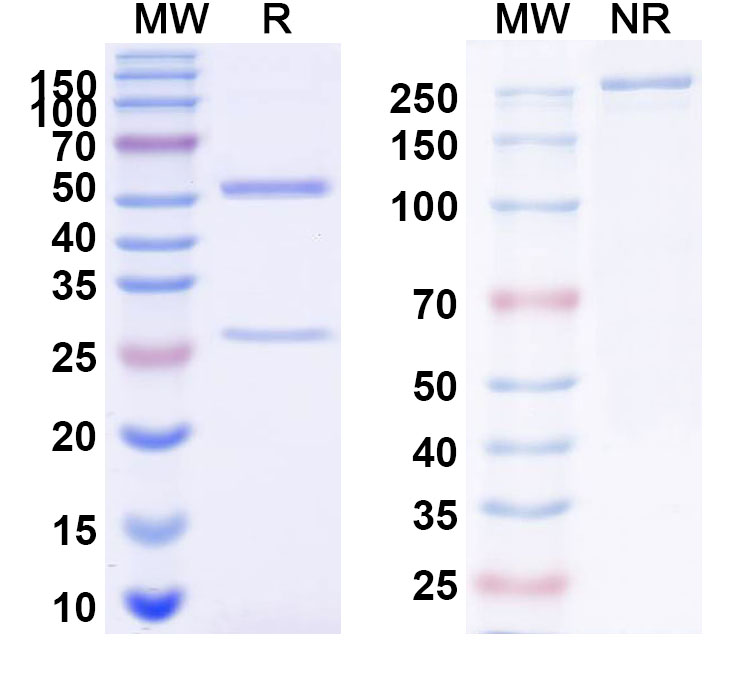
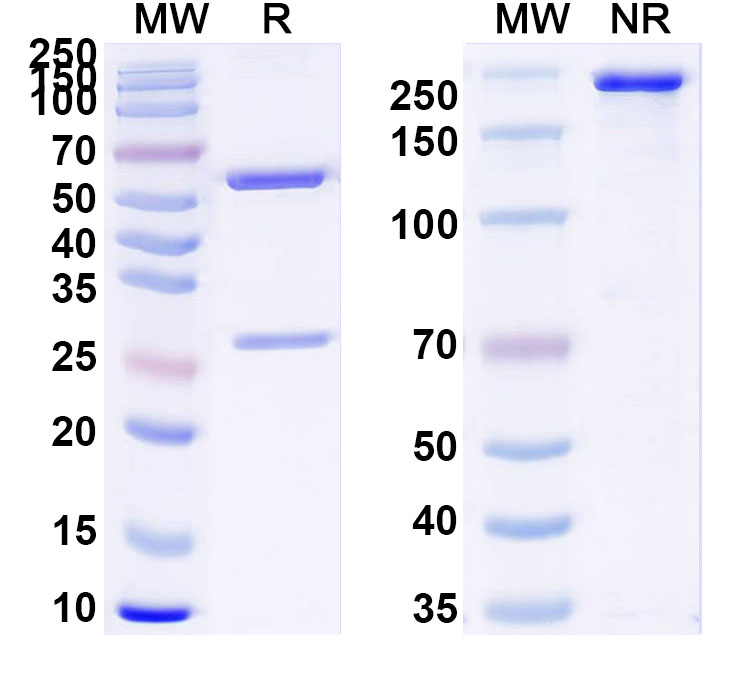
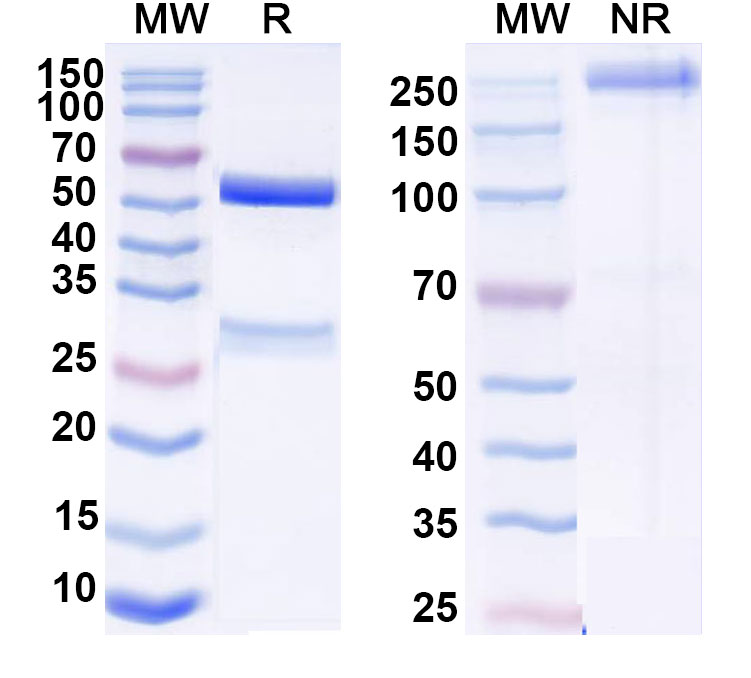
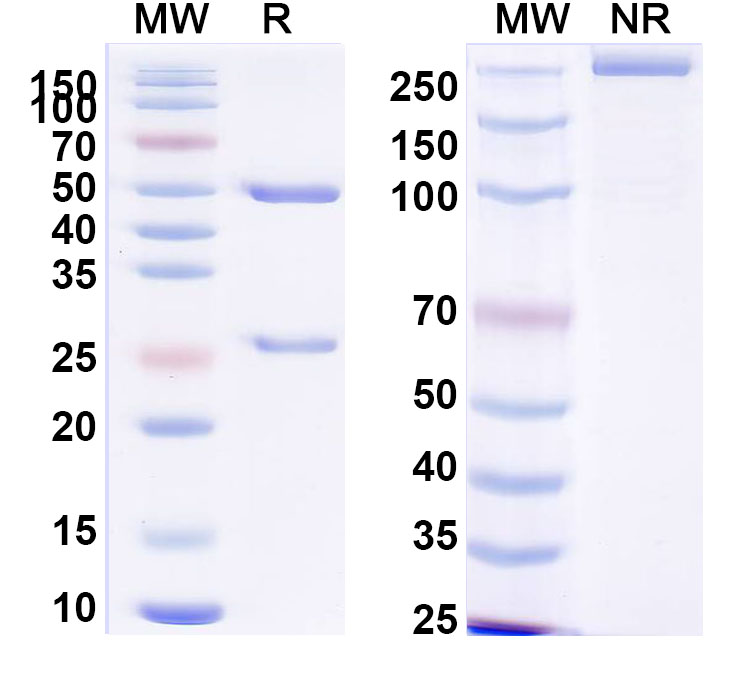
The Anti-Human SH2D1A Monoclonal Antibody (1A650) is a type of protein made up of two heavy chains and two light chains. These chains are held together by disulfide bonds and form a Y-shaped structure. The variable regions of the antibody are responsible for binding to the SH2D1A protein, while the constant regions provide stability and facilitate immune response activation.
Activity of Anti-Human SH2D1A Monoclonal Antibody (1A650)
The main activity of Anti-Human SH2D1A Monoclonal Antibody (1A650) is to bind to the SH2D1A protein and prevent its interaction with other molecules. This protein is known to interact with signaling molecules in immune cells, leading to the activation or suppression of immune responses. By binding to SH2D1A, this monoclonal antibody can modulate the immune response and potentially treat diseases associated with dysregulated immune function.
Application of Anti-Human SH2D1A Monoclonal Antibody (1A650)
Anti-Human SH2D1A Monoclonal Antibody (1A650) has various applications in scientific research, particularly in the field of immunology. It is commonly used in studies investigating the role of SH2D1A in immune responses and diseases such as X-linked lymphoproliferative disease (XLP). This antibody can also be used in diagnostic tests to detect the presence of SH2D1A in patient samples.
One of the most promising applications of Anti-Human SH2D1A Monoclonal Antibody (1A650) is in the treatment of autoimmune diseases. By targeting SH2D1A, this antibody can potentially modulate the immune response and reduce inflammation in conditions such as rheumatoid arthritis and multiple sclerosis.
Furthermore, Anti-Human SH2D1A Monoclonal Antibody (1A650) has been studied for its potential in cancer therapy. SH2D1A has been shown to play a role in the growth and survival of cancer cells, and by blocking its activity, this antibody can potentially inhibit tumor growth and improve treatment outcomes.
In addition to its therapeutic applications, Anti-Human SH2D1A Monoclonal Antibody (1A650) is also used in basic research to study the function of SH2D1A and its role in various cellular processes. This antibody can be used in techniques such as immunoprecipitation and Western blotting to analyze the expression and activity of SH2D1A in different cell types and conditions.
Conclusion
In summary, Anti-Human SH2D1A Monoclonal Antibody (1A650) is a valuable tool in scientific research, particularly in the field of immunology. Its ability to specifically target the SH2D1A protein makes it a useful tool for studying its role in immune responses and diseases. With its potential applications in autoimmune diseases and cancer therapy, this antibody holds promise for future therapeutic interventions.


There are no reviews yet.