Introduction
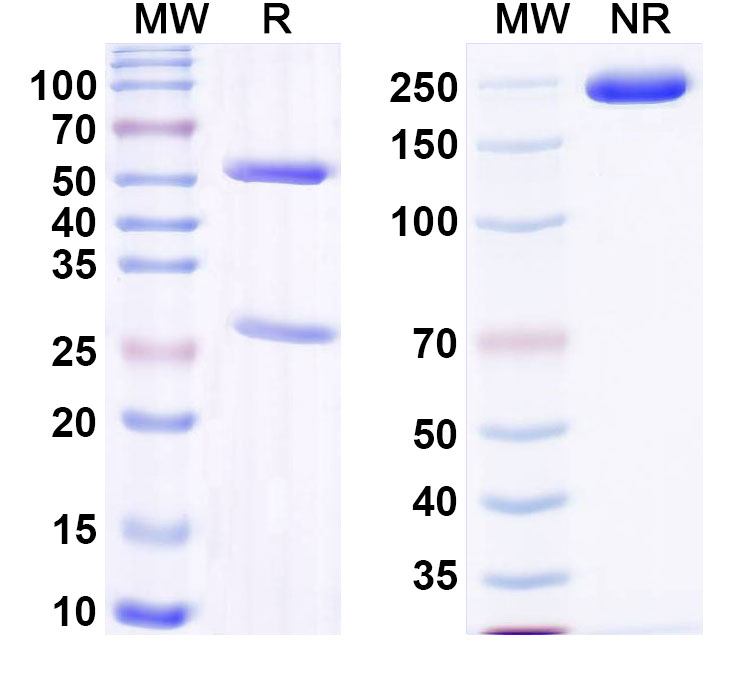
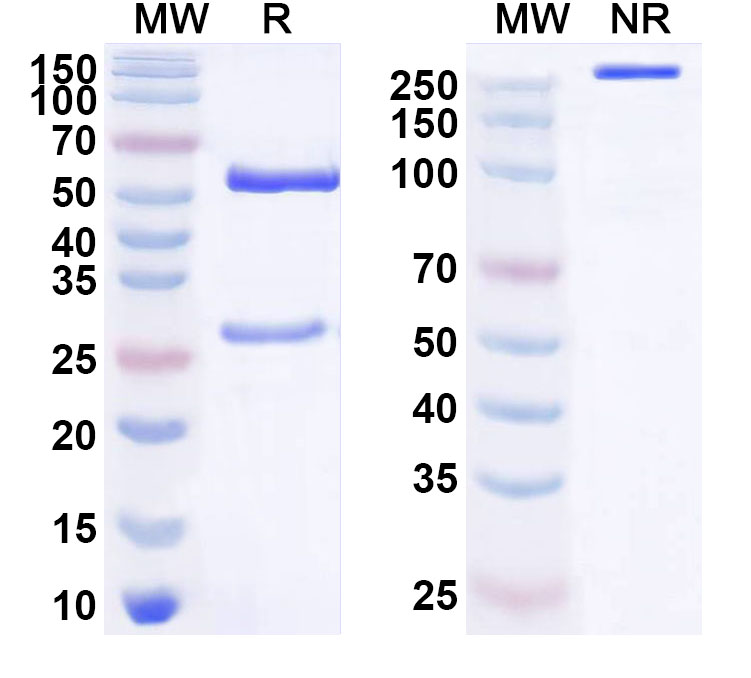
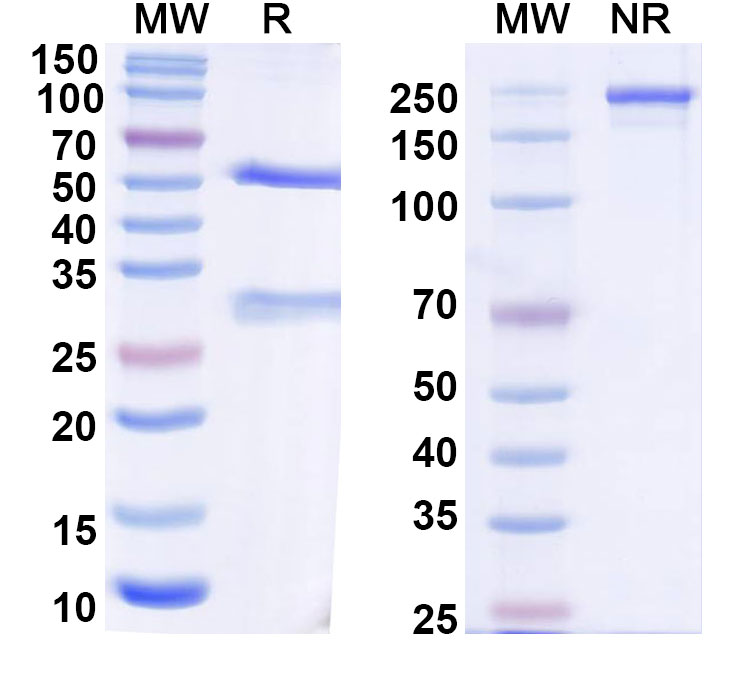
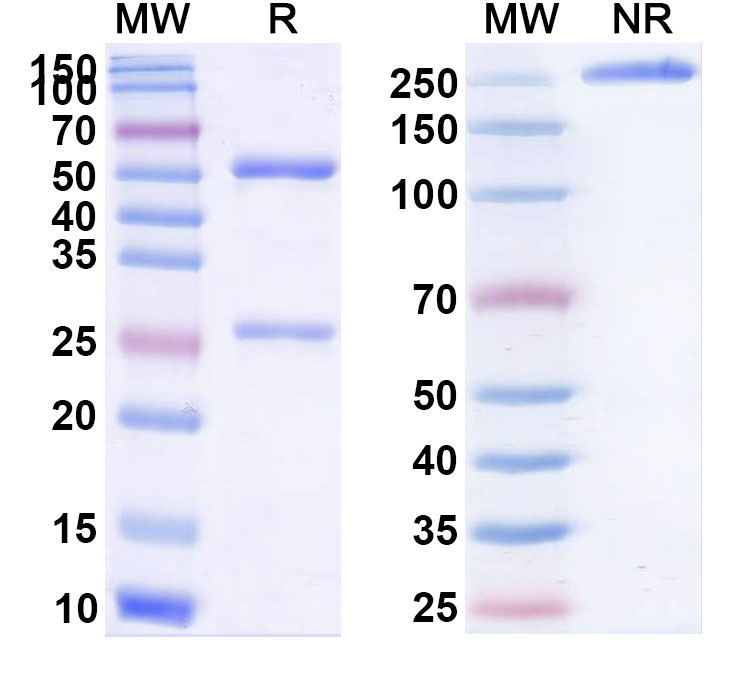
The Anti-Human STING1/TMEM173 Monoclonal Antibody (1A646) is a highly specific and potent antibody that targets the STING1/TMEM173 protein in humans. This protein is a key component of the innate immune system and plays a crucial role in the detection of viral and bacterial infections, as well as in the development of autoimmune diseases and cancer.
Structure of STING1/TMEM173
The STING1/TMEM173 protein is a transmembrane protein that is located in the endoplasmic reticulum (ER) of cells. It consists of four domains: an N-terminal transmembrane domain, a central cytoplasmic domain, and two C-terminal domains. The cytoplasmic domain contains a conserved sequence known as the STING (stimulator of interferon genes) domain, which is responsible for the protein’s function in the immune response.
Activity of STING1/TMEM173
The main function of STING1/TMEM173 is to detect the presence of foreign DNA or RNA in the cytoplasm of cells. This can happen during viral or bacterial infections, as well as in certain autoimmune diseases. When STING1/TMEM173 detects foreign DNA or RNA, it activates a signaling pathway that leads to the production of type I interferons and other cytokines, which are important molecules for the immune response.
In addition to its role in the immune response, STING1/TMEM173 has also been linked to other cellular processes, such as autophagy and cell death. It has been shown to play a role in the regulation of inflammation and the maintenance of cellular homeostasis.
Application of Anti-Human STING1/TMEM173 Monoclonal Antibody (1A646)
The Anti-Human STING1/TMEM173 Monoclonal Antibody (1A646) has been extensively used in research to study the role of STING1/TMEM173 in various diseases and cellular processes. It has been shown to effectively block the activity of STING1/TMEM173, making it a valuable tool for understanding the function of this protein.
One of the main applications of this antibody is in the study of viral and bacterial infections. By blocking the activity of STING1/TMEM173, researchers can investigate the role of this protein in the immune response to these pathogens. This can lead to a better understanding of how the body fights infections and potentially identify new targets for therapeutic interventions.
Furthermore, the Anti-Human STING1/TMEM173 Monoclonal Antibody (1A646) has also been used in studies on autoimmune diseases, such as lupus and psoriasis. These diseases are characterized by an overactive immune response, and STING1/TMEM173 has been implicated in their development. By inhibiting the activity of STING1/TMEM173, researchers can investigate its role in these diseases and potentially identify new treatment strategies.
Finally, this antibody has also been used in cancer research. STING1/TMEM173 has been shown to play a role in the immune response to tumors, and by blocking its activity, researchers can study its potential as a target for cancer immunotherapy.
Conclusion
The Anti-Human STING1/TMEM173 Monoclonal Antibody (1A646) is a powerful tool for studying the structure, activity, and function of the STING1/TMEM173 protein. Its use in research has provided valuable insights into the role of this protein in the immune response, as well as its potential as a therapeutic target in various diseases. With ongoing research, this antibody may lead to new treatments for infections, autoimmune diseases, and cancer.

There are no reviews yet.