Introduction
Anti-Human VHL Monoclonal Antibody (1A521) is a highly specific and potent antibody that targets the Von Hippel-Lindau (VHL) protein. This protein is involved in the regulation of cell growth and division, and its dysfunction is associated with various diseases, including cancer. The 1A521 antibody has been extensively studied and has shown promising results in both research and clinical applications.
Structure of Anti-Human VHL Monoclonal Antibody (1A521)
The 1A521 antibody is a monoclonal antibody, which means it is produced by a single clone of immune cells. It is a type of immunoglobulin G (IgG) antibody, which is the most abundant type of antibody in the human body. The 1A521 antibody specifically binds to the VHL protein, which is a tumor suppressor protein consisting of 213 amino acids.
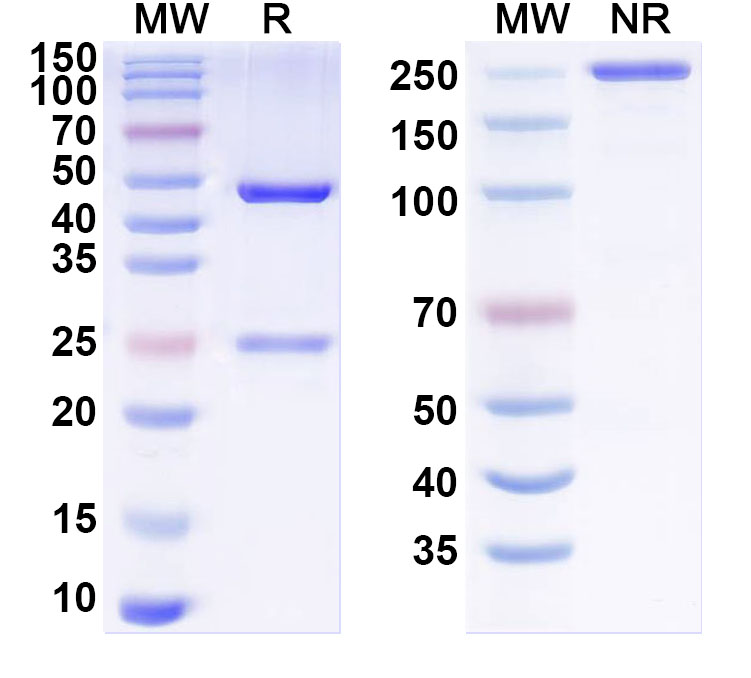
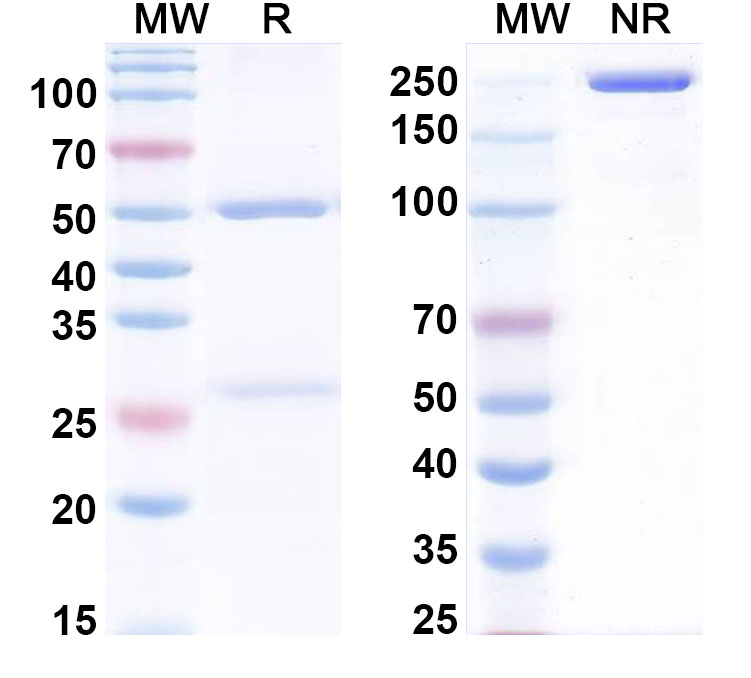
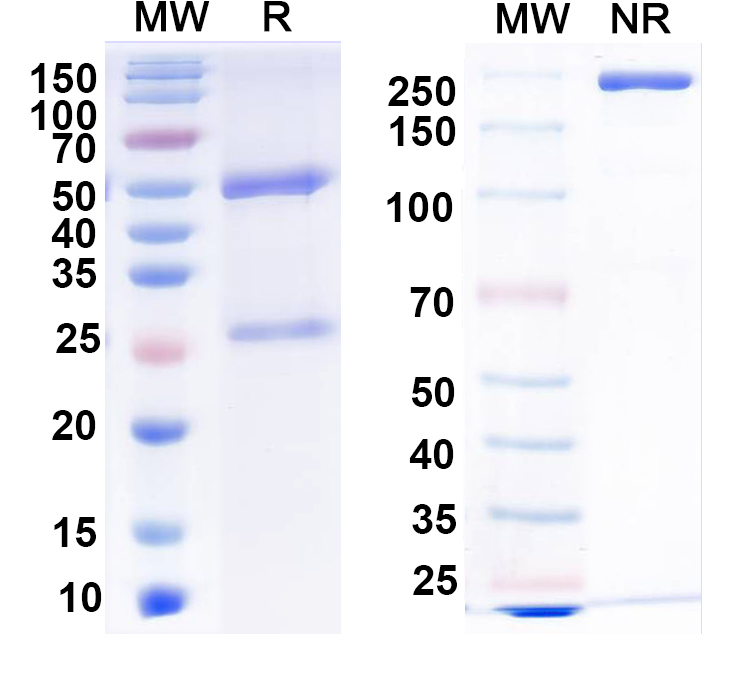
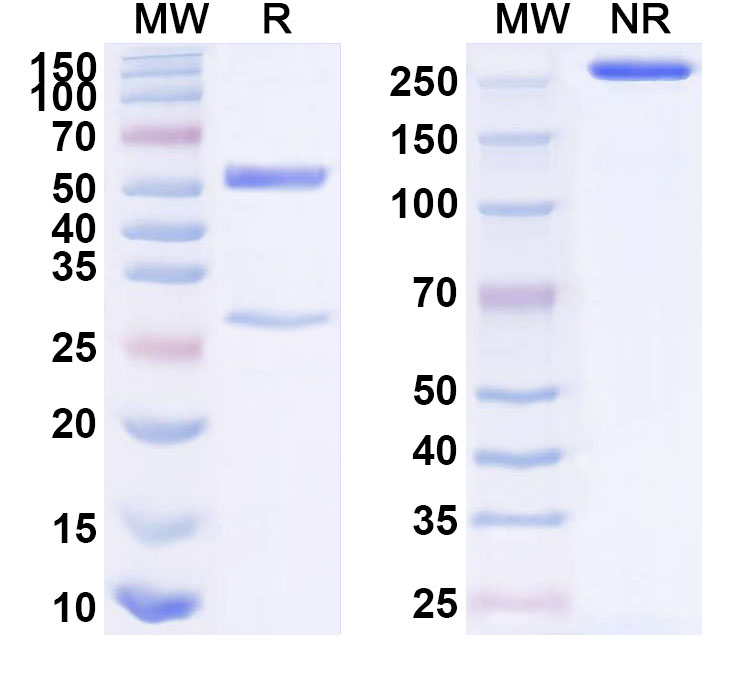
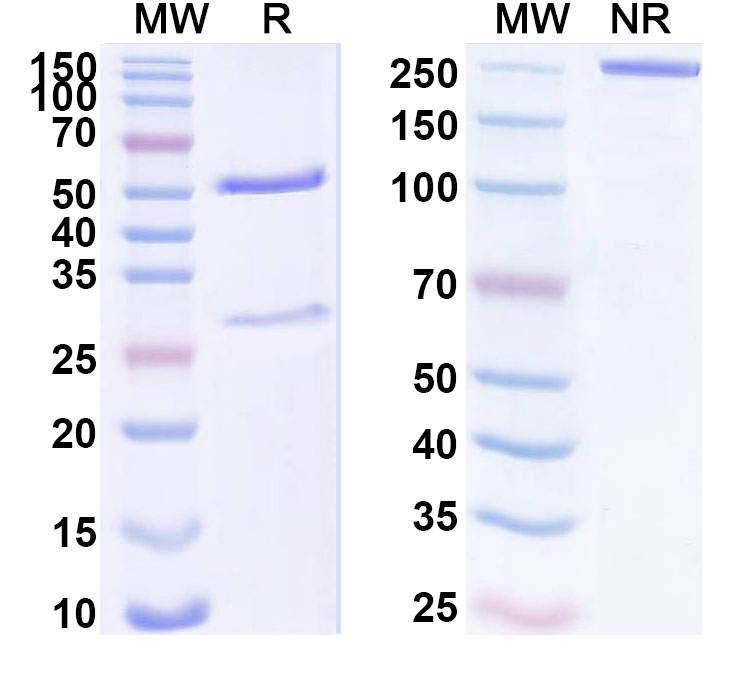
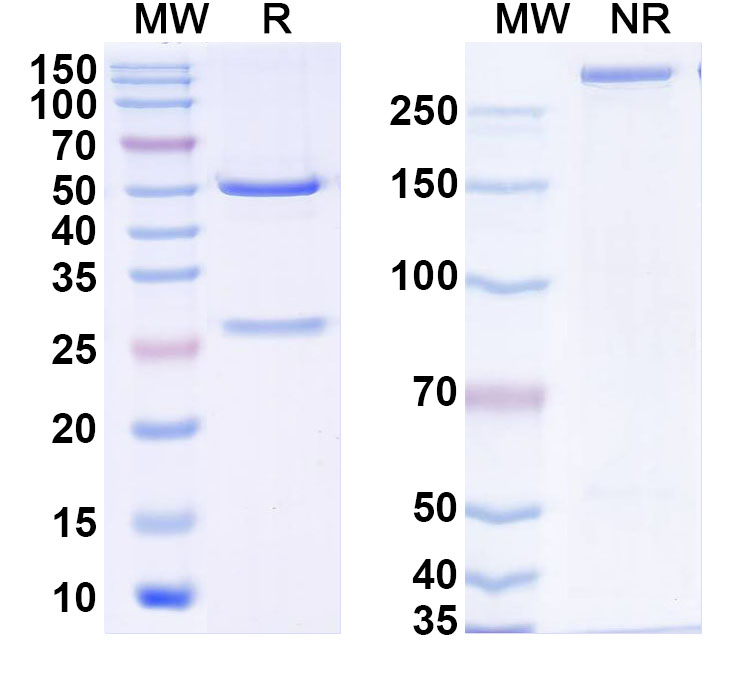
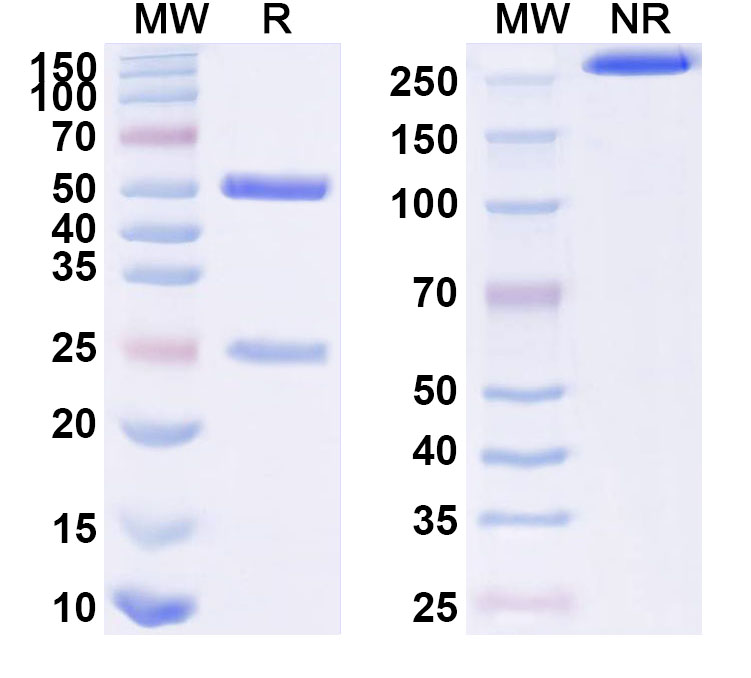
The antibody has a molecular weight of approximately 150 kDa and is composed of two heavy chains and two light chains. The heavy chains are connected by disulfide bonds and have a constant region and a variable region. The variable region is responsible for binding to the VHL protein, while the constant region is responsible for activating the immune system.
Activity of Anti-Human VHL Monoclonal Antibody (1A521)
The main activity of the 1A521 antibody is to bind to the VHL protein with high specificity and affinity. This binding prevents the VHL protein from interacting with its target molecules, leading to the inhibition of its normal function. The VHL protein is involved in the degradation of hypoxia-inducible factor (HIF), a transcription factor that regulates the expression of genes involved in cell growth and angiogenesis.
The binding of the 1A521 antibody to the VHL protein leads to the accumulation of HIF, which in turn activates the expression of genes involved in cell proliferation and angiogenesis. This activity is particularly important in cancer, where the VHL protein is often mutated or dysfunctional, leading to uncontrolled cell growth and tumor formation. By inhibiting the function of the VHL protein, the 1A521 antibody can potentially slow down or even stop the growth of cancer cells.
Applications of Anti-Human VHL Monoclonal Antibody (1A521)
The 1A521 antibody has a wide range of applications in both research and clinical settings. In research, it is used as a tool to study the function of the VHL protein and its role in various diseases, including cancer. The antibody can be used in experiments to investigate the effects of VHL protein inhibition on cell growth, angiogenesis, and other cellular processes.
In clinical applications, the 1A521 antibody has shown promising results in the treatment of various types of cancer. In preclinical studies, the antibody has been shown to inhibit tumor growth and promote tumor regression in animal models. It has also been shown to enhance the effectiveness of chemotherapy and radiation therapy when used in combination with these treatments.
Furthermore, the 1A521 antibody has also been investigated for its potential use in targeted drug delivery. By conjugating the antibody to a chemotherapy drug or a radioactive substance, it can specifically target and deliver these treatments to cancer cells, minimizing the side effects on healthy cells.
Conclusion
In summary, the Anti-Human VHL Monoclonal Antibody (1A521) is a highly specific and potent antibody that targets the VHL protein. Its main activity is to inhibit the function of the VHL protein, which is involved in the regulation of cell growth and division. This antibody has a wide range of applications in both research and clinical settings, and has shown promising results in the treatment of various types of cancer. Further studies and clinical trials are needed to fully understand the potential of this antibody in the fight against cancer.

There are no reviews yet.