Introduction
Anti-MARV/EBOV Glycoprotein/GP1 Antibody (MR-72) is a monoclonal antibody that specifically targets the glycoprotein 1 (GP1) of two deadly viruses, Marburg virus (MARV) and Ebola virus (EBOV). These viruses belong to the family Filoviridae and are responsible for the outbreaks of severe hemorrhagic fever in humans. The development of MR-72 has shown promising results in neutralizing the viruses and has potential applications in both therapeutic and diagnostic settings.
Structure of Anti-MARV/EBOV Glycoprotein/GP1 Antibody (MR-72)
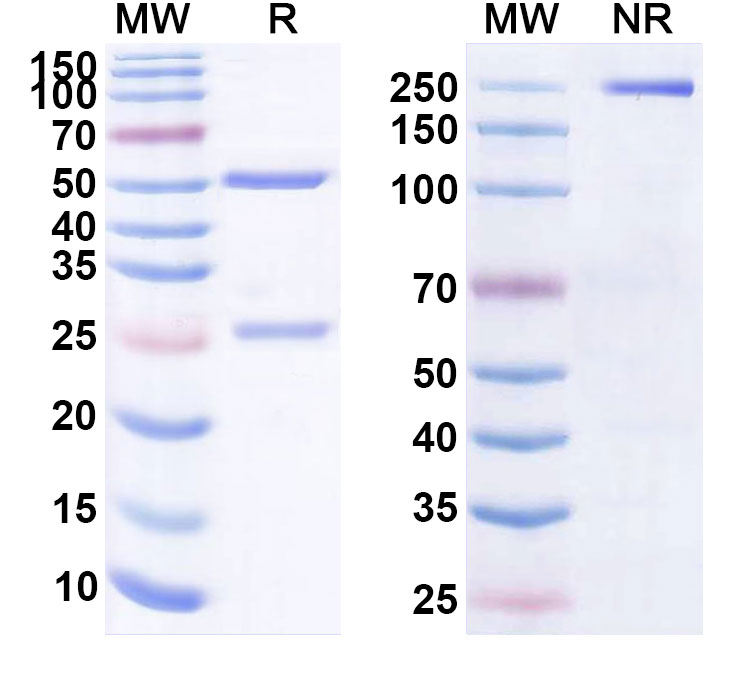
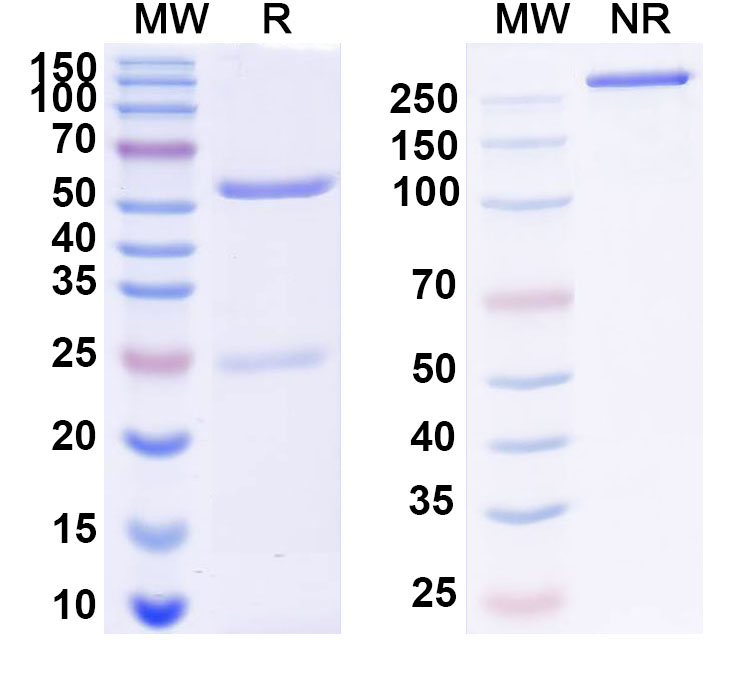
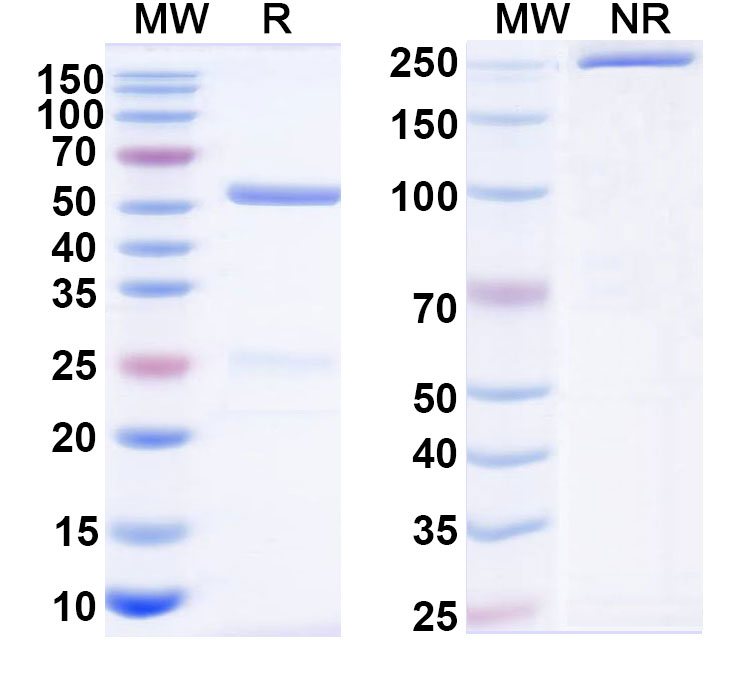
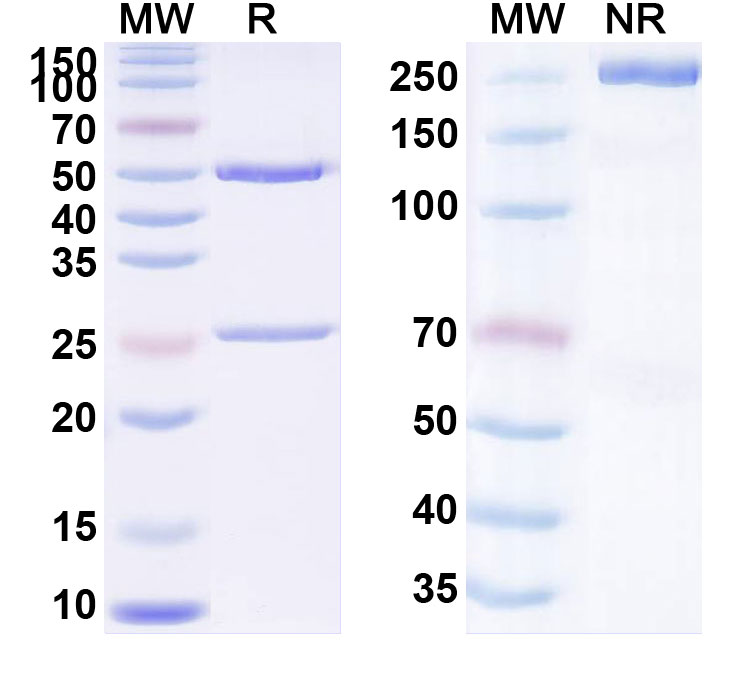
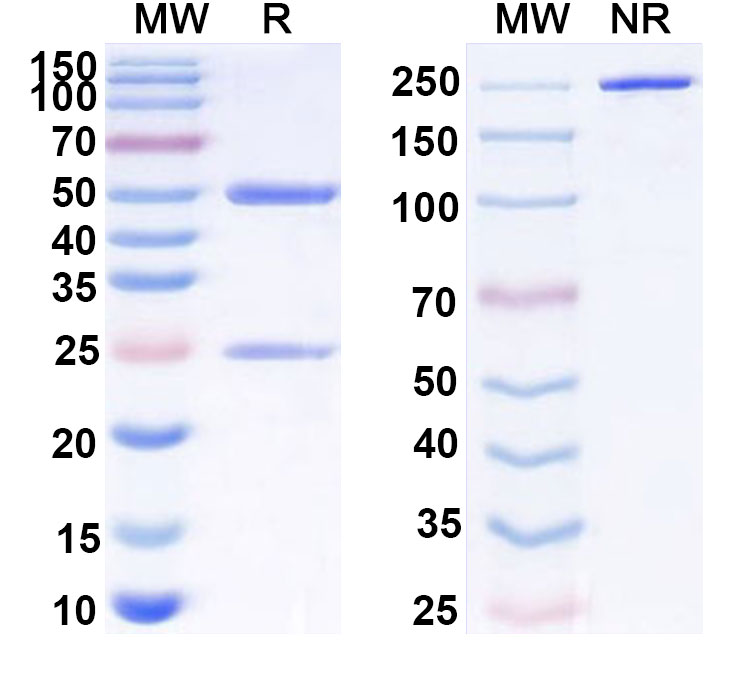
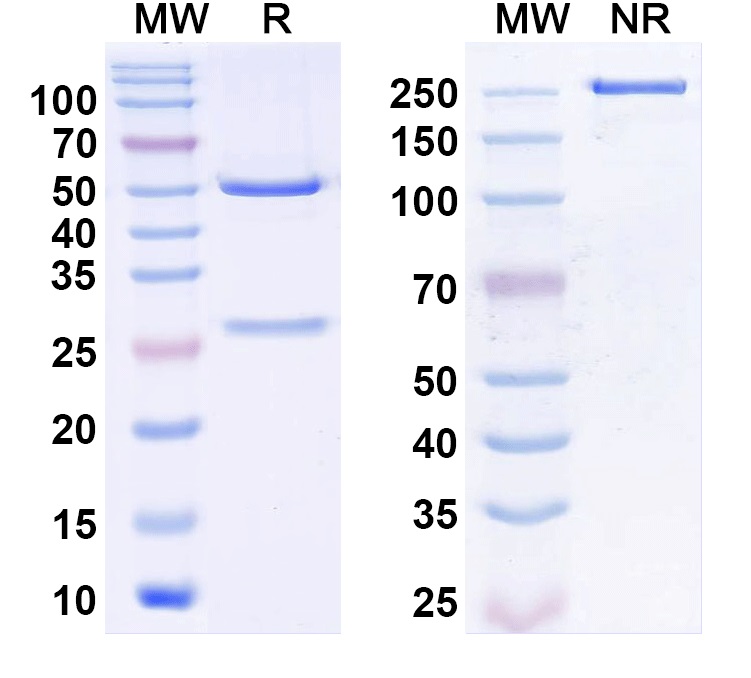
MR-72 is a type of immunoglobulin G (IgG) antibody that is produced by a single clone of B cells. It is composed of two heavy chains and two light chains, each containing variable and constant regions. The variable regions of the antibody are responsible for binding to the specific target, GP1 of MARV and EBOV. The constant regions are responsible for activating the immune system and facilitating the removal of the viruses from the body.
Activity of Anti-MARV/EBOV Glycoprotein/GP1 Antibody (MR-72)
MR-72 exerts its activity by binding to the GP1 of MARV and EBOV, preventing the viruses from entering and infecting host cells. GP1 is a crucial protein on the surface of the viruses that mediates their attachment and entry into host cells. By binding to GP1, MR-72 blocks this process and prevents the viruses from replicating and causing disease.
In addition to neutralizing the viruses, MR-72 also activates the immune system to eliminate the viruses from the body. The constant regions of the antibody interact with immune cells, such as natural killer cells and macrophages, to trigger the destruction of virus-infected cells. This dual mechanism of action makes MR-72 a potent weapon against MARV and EBOV.
Application of Anti-MARV/EBOV Glycoprotein/GP1 Antibody (MR-72)
Therapeutic Application
The most significant application of MR-72 is in the treatment of MARV and EBOV infections. In preclinical studies, MR-72 has shown high efficacy in neutralizing the viruses and protecting animals from lethal infections. This has led to its development as a potential therapy for humans.
In 2019, MR-72 was granted orphan drug designation by the U.S. Food and Drug Administration (FDA) for the treatment of MARV and EBOV infections. This designation provides incentives for the development of drugs to treat rare diseases, including a seven-year period of market exclusivity, tax credits, and waived FDA fees.
Diagnostic Application
MR-72 also has potential applications in diagnostics. The antibody can be used to detect the presence of MARV and EBOV in patient samples, such as blood or tissue, through various techniques, including enzyme-linked immunosorbent assay (ELISA) and immunofluorescence. This allows for the early and accurate diagnosis of infections, which is crucial for timely treatment and outbreak control.
Future Directions
The development of MR-72 has opened up new avenues for the treatment and diagnosis of MARV and EBOV infections. Further research is needed to optimize the antibody’s efficacy and safety, as well as to explore its potential in combination therapies and prophylaxis.
Conclusion
In summary, Anti-MARV/EBOV Glycoprotein/GP1 Antibody (MR-72) is a monoclonal antibody that specifically targets the glycoprotein 1 of MARV and EBOV. Its dual mechanism of action makes it a promising candidate for the treatment and diagnosis of these deadly viruses. With further research and development, MR-72 has the potential to save many lives and contribute to the control of future outbreaks.

There are no reviews yet.