Introduction
Anti-sCD14 monoclonal antibody (1A453) is a type of monoclonal antibody that specifically targets soluble CD14 (sCD14). CD14 is a glycoprotein that is expressed on the surface of immune cells, such as monocytes and macrophages. sCD14 is a soluble form of CD14 that is released into the bloodstream and plays a crucial role in the immune response. Anti-sCD14 monoclonal antibody (1A453) has been extensively studied for its structure, activity, and potential applications in various fields of research.
Structure of Anti-sCD14 Monoclonal Antibody (1A453)
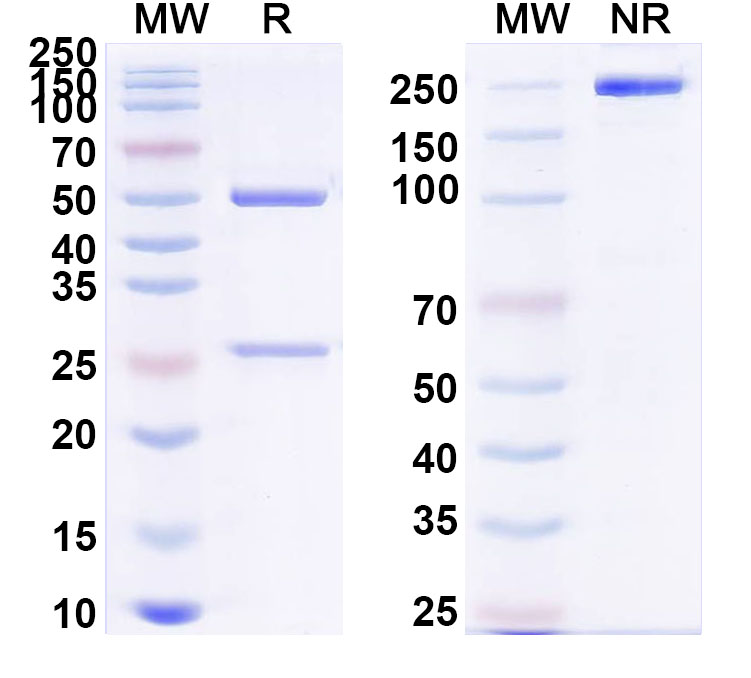
Anti-sCD14 monoclonal antibody (1A453) is a type of immunoglobulin G (IgG) antibody that is produced by a single clone of B cells. It is composed of two heavy chains and two light chains, which are connected by disulfide bonds. The antibody has a Y-shaped structure, with two antigen-binding fragments (Fab) and one crystallizable fragment (Fc). The Fab region is responsible for binding to the target antigen, sCD14, while the Fc region mediates effector functions, such as complement activation and antibody-dependent cellular cytotoxicity (ADCC).
Activity of Anti-sCD14 Monoclonal Antibody (1A453)
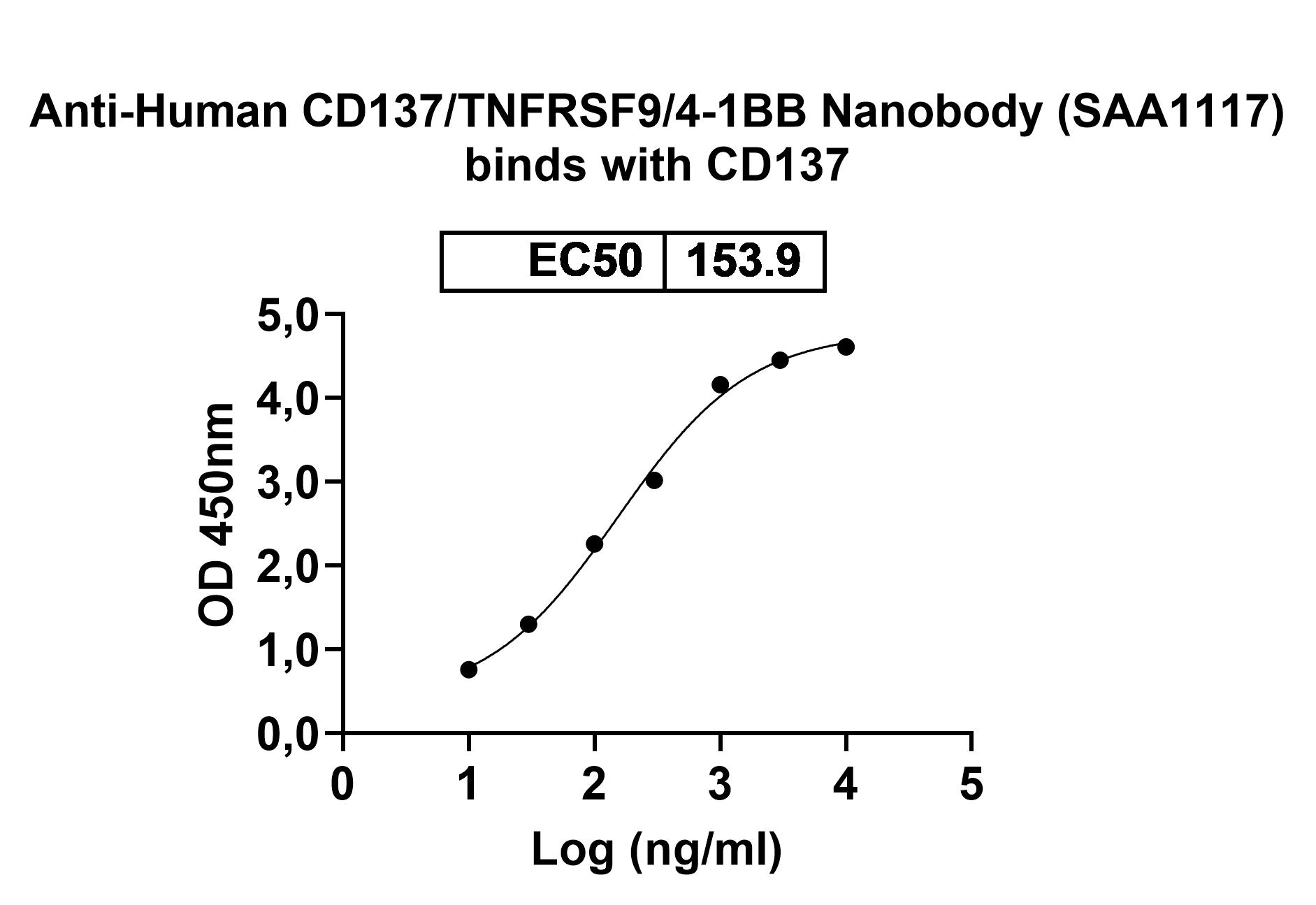
The main activity of Anti-sCD14 monoclonal antibody (1A453) is its ability to bind to sCD14 with high specificity and affinity. This binding inhibits the interaction of sCD14 with its ligands, such as lipopolysaccharide (LPS) and lipoteichoic acid (LTA), which are found on the surface of bacteria. By blocking the binding of sCD14 to these bacterial components, Anti-sCD14 monoclonal antibody (1A453) can prevent the activation of immune cells and the release of pro-inflammatory cytokines, thus modulating the immune response.
Applications of Anti-sCD14 Monoclonal Antibody (1A453)
Anti-sCD14 monoclonal antibody (1A453) has been studied for its potential applications in various fields of research, including immunology, infectious diseases, and cancer.
Immunology
In immunology research, Anti-sCD14 monoclonal antibody (1A453) has been used to study the role of sCD14 in the immune response. By blocking the binding of sCD14 to LPS and LTA, the antibody can inhibit the activation of immune cells and the production of pro-inflammatory cytokines. This makes it a valuable tool for investigating the mechanisms of inflammation and immune regulation.
Infectious Diseases
Anti-sCD14 monoclonal antibody (1A453) has also been studied for its potential in the treatment of infectious diseases. By targeting sCD14, which is involved in the recognition and response to bacterial infections, the antibody has shown promising results in animal models of sepsis and other bacterial infections. It has also been investigated as a potential therapy for viral infections, such as HIV, where sCD14 plays a role in viral entry and replication.
Cancer
In cancer research, Anti-sCD14 monoclonal antibody (1A453) has been studied for its potential as an immunotherapeutic agent. By blocking the interaction of sCD14 with its ligands, the antibody can inhibit the growth and survival of cancer cells, as well as modulate the immune response against tumors. It has shown promising results in preclinical studies as a potential treatment for various types of cancer, including breast, lung, and colon cancer.
Conclusion
In summary, Anti-sCD14 monoclonal antibody (1A453) is a valuable tool for studying the role of sCD14 in the immune response. Its structure, activity, and potential applications in various fields of research make it a promising candidate for the development of new therapies for infectious diseases, cancer

There are no reviews yet.