Introduction
Anti-TNP Monoclonal Antibody (IGEL b4) is a type of antibody that specifically targets the hapten trinitrophenyl (TNP). It is a highly specific and potent antibody that has been extensively used in various scientific research studies. In this article, we will discuss the structure, activity, and applications of Anti-TNP Monoclonal Antibody (IGEL b4).
Structure of Anti-TNP Monoclonal Antibody (IGEL b4)
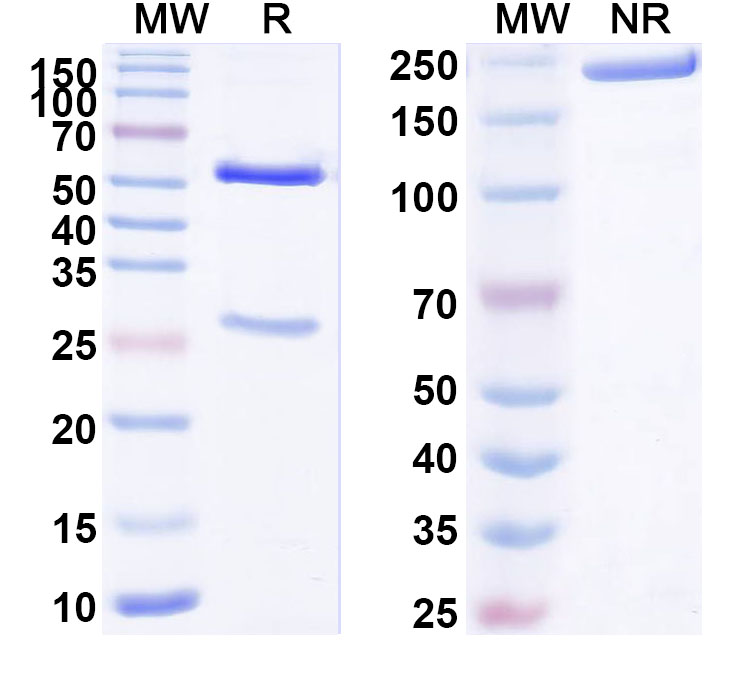
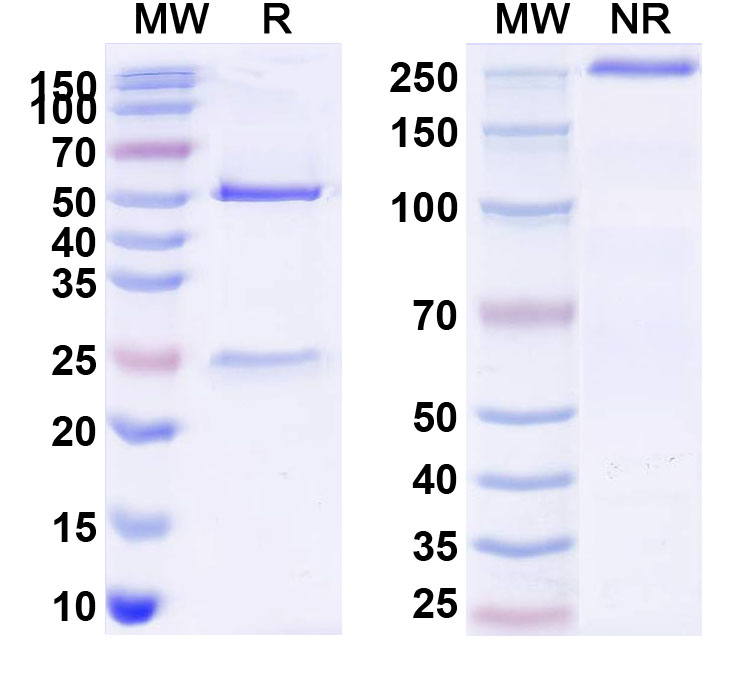
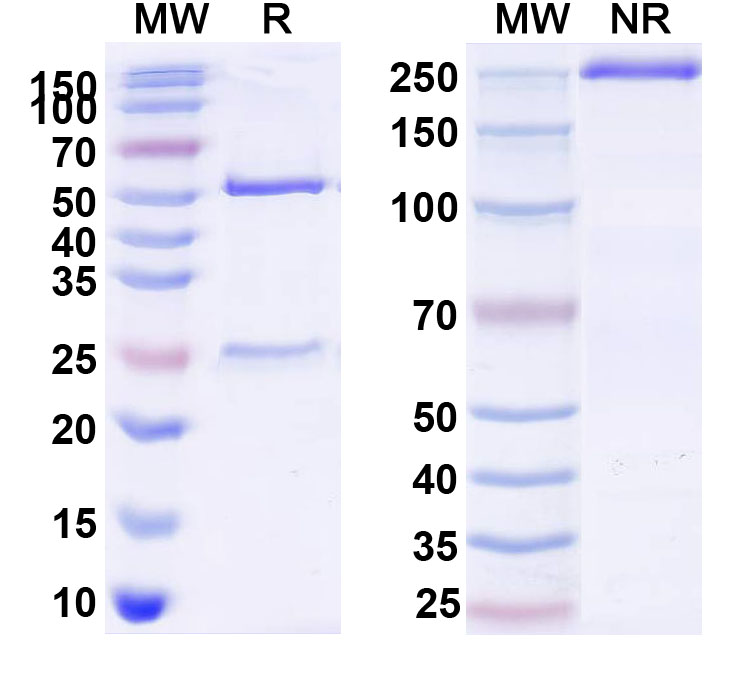
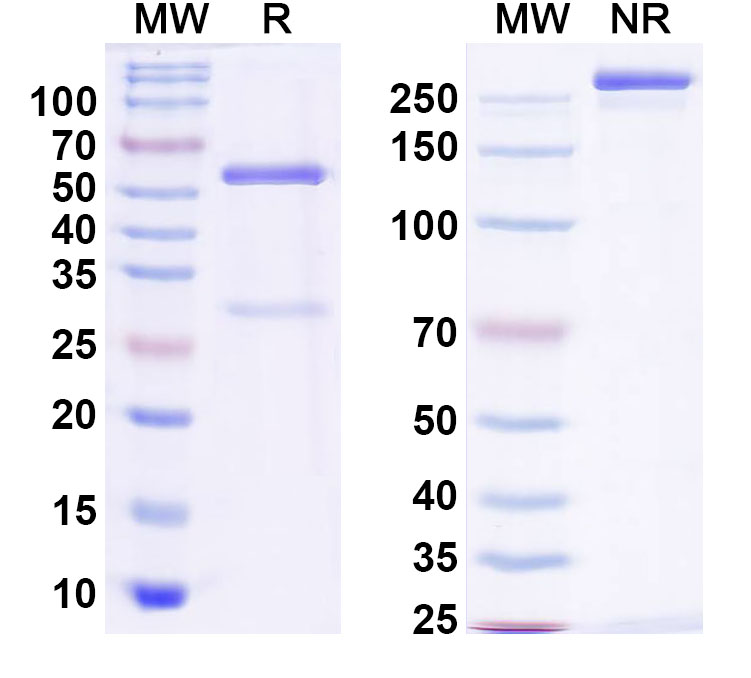
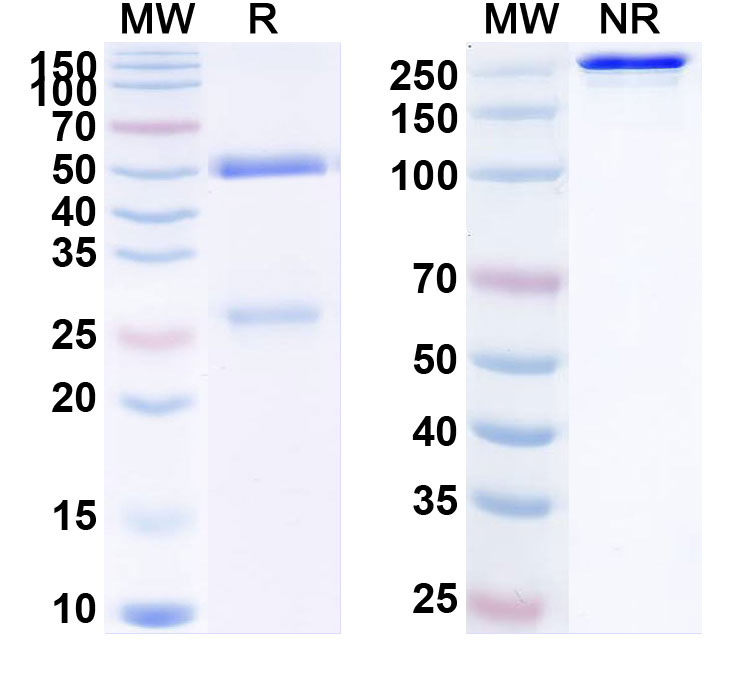
Anti-TNP Monoclonal Antibody (IGEL b4) is a monoclonal antibody, meaning it is produced by a single clone of B cells. It is a type of immunoglobulin G (IgG) antibody, which is the most abundant class of antibodies found in the human body. The antibody has a Y-shaped structure with two heavy chains and two light chains, each containing a variable and a constant region. The variable region is responsible for binding to the TNP hapten, while the constant region plays a role in the effector functions of the antibody.
Activity of Anti-TNP Monoclonal Antibody (IGEL b4)
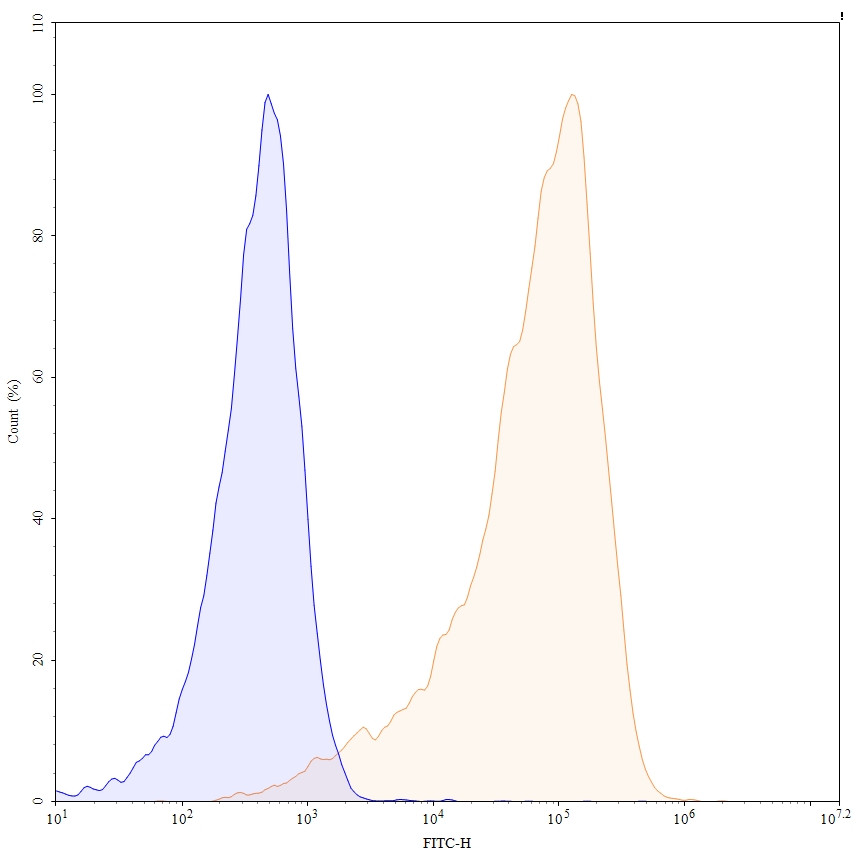
The primary activity of Anti-TNP Monoclonal Antibody (IGEL b4) is its ability to specifically bind to the TNP hapten. This binding occurs through the variable region of the antibody, which has a high affinity for TNP. This binding is crucial for the antibody’s function in various research applications, as it allows for the detection and isolation of TNP-containing molecules.
Additionally, Anti-TNP Monoclonal Antibody (IGEL b4) can also activate the complement system, a part of the immune system responsible for destroying foreign pathogens. This activation occurs through the constant region of the antibody, which interacts with complement proteins. This effector function of the antibody is important in its role as a therapeutic agent.
Applications of Anti-TNP Monoclonal Antibody (IGEL b4)
Anti-TNP Monoclonal Antibody (IGEL b4) has a wide range of applications in scientific research. One of its primary uses is in the detection and isolation of TNP-containing molecules. This is particularly useful in immunological studies, where TNP is often used as a hapten to label and track specific molecules.
Another important application of Anti-TNP Monoclonal Antibody (IGEL b4) is in the treatment of autoimmune diseases. TNP has been shown to play a role in the development of certain autoimmune disorders, and Anti-TNP Monoclonal Antibody (IGEL b4) has been used to neutralize TNP in these diseases. This therapy has shown promising results in preclinical studies and is currently being investigated for potential clinical use.
Furthermore, Anti-TNP Monoclonal Antibody (IGEL b4) has also been used in research on the immune response to tumors. TNP has been shown to be present on the surface of some tumor cells, and Anti-TNP Monoclonal Antibody (IGEL b4) has been used to target and destroy these cells. This approach has shown potential in cancer immunotherapy and is currently being studied in clinical trials.
Conclusion
In summary, Anti-TNP Monoclonal Antibody (IGEL b4) is a highly specific and potent antibody that targets the TNP hapten. Its structure, activity, and applications make it a valuable tool in scientific research, particularly in the fields of immunology and cancer research. With ongoing research and development, Anti-TNP Monoclonal Antibody (IGEL b4) holds great potential for future therapeutic applications.

There are no reviews yet.