Anti-Zebrafish prkab1a Polyclonal Antibody
Biological Function:
The Anti-Zebrafish prkab1a Polyclonal Antibody is a highly specific and sensitive antibody designed to target the prkab1a protein in zebrafish. This protein is a key regulator of energy metabolism and plays a crucial role in maintaining cellular energy homeostasis. It is a subunit of the AMP-activated protein kinase (AMPK) complex, which is responsible for sensing and responding to changes in cellular energy levels.
Main Applications:
This antibody is ideal for researchers studying zebrafish models of metabolic disorders, such as obesity, diabetes, and cardiovascular diseases. It can also be used in studies related to exercise physiology and aging, as AMPK has been shown to play a role in these processes. Additionally, this antibody can be used in drug discovery and development, as targeting AMPK has been identified as a potential therapeutic strategy for various diseases.
Experimental Use Cases:
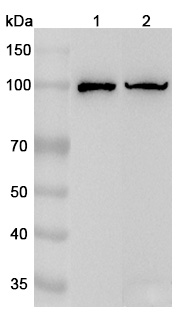
The Anti-Zebrafish prkab1a Polyclonal Antibody has been extensively validated for use in Western blotting, immunohistochemistry, and immunofluorescence experiments. It has shown high specificity and sensitivity in detecting prkab1a in zebrafish tissue samples. Furthermore, this antibody has been successfully used in various studies to investigate the role of AMPK in zebrafish metabolism and disease models.
Biological Function
The Anti-Zebrafish prkab1a Polyclonal Antibody targets the prkab1a protein, a key regulator of energy metabolism in zebrafish. It is a subunit of the AMP-activated protein kinase complex, which plays a crucial role in maintaining cellular energy homeostasis.
Main Applications
This antibody is ideal for researchers studying zebrafish models of metabolic disorders, exercise physiology, and aging. It can also be used in drug discovery and development for various diseases.
Experimental Use Cases
The Anti-Zebrafish prkab1a Polyclonal Antibody has been extensively validated for use in Western blotting, immunohistochemistry, and immunofluorescence experiments. It has shown high specificity and sensitivity in detecting prkab1a in zebrafish tissue samples and has been successfully used in studying AMPK’s role in zebrafish metabolism and disease models.


There are no reviews yet.