Bapotulimab Biosimilar – Anti-ILDR2 mAb – Research Grade: A Scientific Review Bapotulimab Biosimilar – Anti-ILDR2 mAb – Research Grade: A Scientific Review
Introduction
Bapotulimab Biosimilar, also known as Anti-ILDR2 mAb, is a monoclonal antibody (mAb) that targets the ILDR2 protein. It is a research grade biosimilar of the original Bapotulimab, which was developed as a therapeutic antibody for the treatment of various cancers. In this article, we will explore the structure, activity, and potential applications of Bapotulimab Biosimilar.
Structure of Bapotulimab Biosimilar
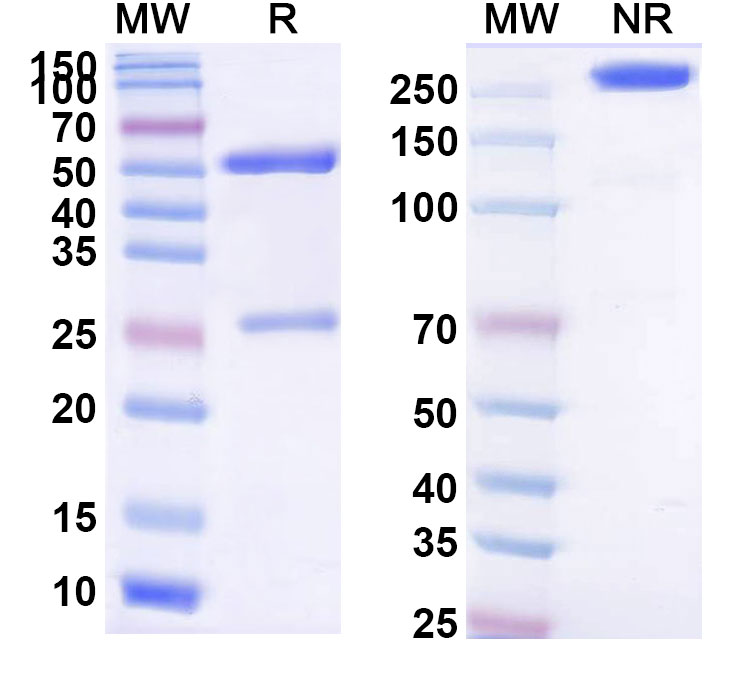
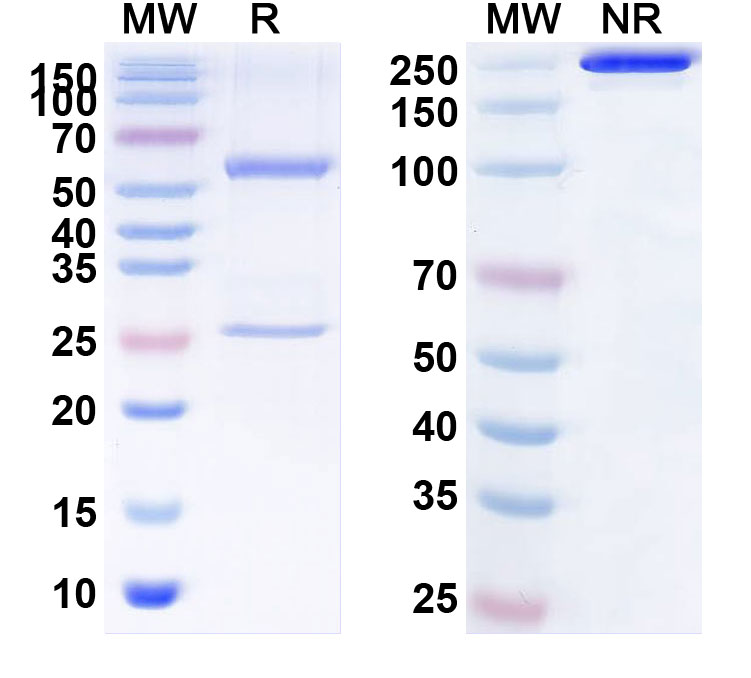
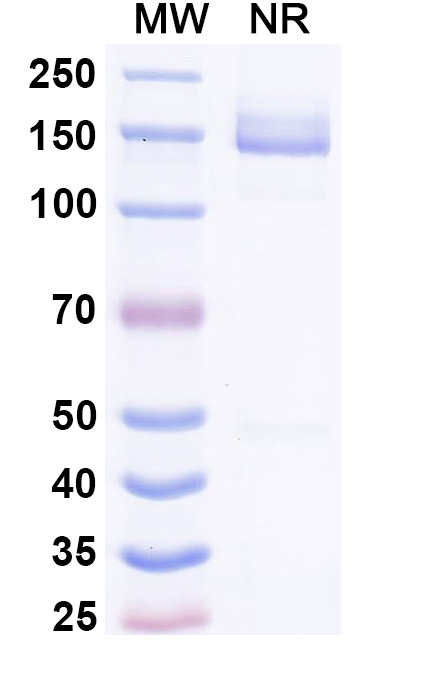
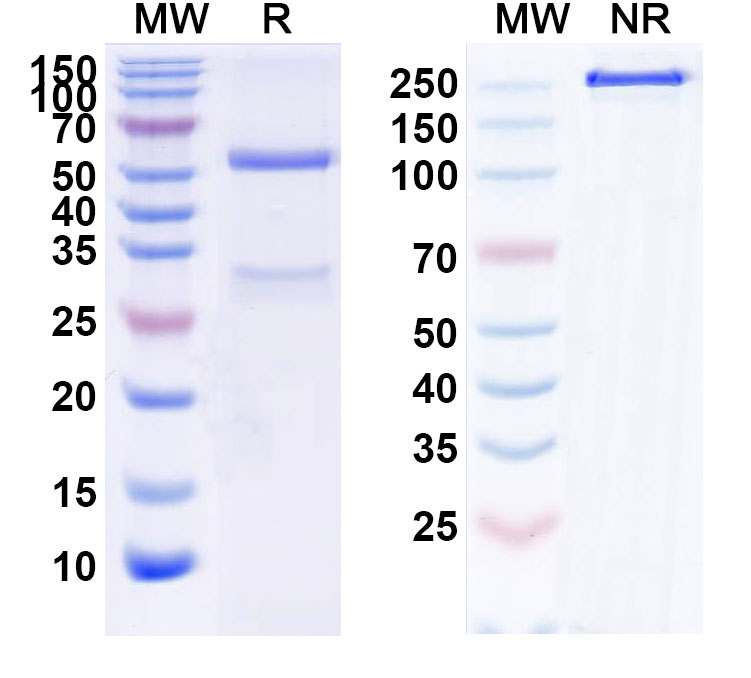
Bapotulimab Biosimilar is a recombinant humanized IgG1 monoclonal antibody. It is composed of two heavy chains and two light chains, connected by disulfide bonds. The heavy chain consists of four constant domains (CH1, CH2, CH3, and CH4) and one variable domain (VH), while the light chain consists of two constant domains (CL and CL1) and one variable domain (VL). The variable domains are responsible for binding to the target protein, ILDR2.
Activity of Bapotulimab Biosimilar
Bapotulimab Biosimilar specifically targets the ILDR2 protein, which is overexpressed in various types of cancer cells. ILDR2 is a cell surface receptor that plays a role in cell proliferation, migration, and invasion. By binding to ILDR2, Bapotulimab Biosimilar inhibits its activity and disrupts the signaling pathways involved in cancer development and progression.
Studies have shown that Bapotulimab Biosimilar has potent anti-tumor activity in various cancer cell lines, including lung, breast, and colon cancer. It has also been shown to enhance the efficacy of chemotherapy and radiation therapy when used in combination. This makes Bapotulimab Biosimilar a promising therapeutic option for the treatment of cancer.
Potential Applications of Bapotulimab Biosimilar
The primary application of Bapotulimab Biosimilar is in the treatment of cancer. It can be used as a monotherapy or in combination with other anti- cancer therapies. Bapotulimab Biosimilar has shown promising results in preclinical studies and is currently being evaluated in clinical trials for the treatment of various types of cancer, including lung, breast, and colorectal cancer.
In addition to its therapeutic potential, Bapotulimab Biosimilar can also be used as a research tool for studying the role of ILDR2 in cancer and other diseases. Its high specificity and potency make it a valuable tool for understanding the mechanisms of ILDR2 signaling and its potential as a therapeutic target.
Conclusion
Bapotulimab Biosimilar, also known as Anti-ILDR2 mAb, is a promising research grade biosimilar of the original Bapotulimab. Its structure, activity, and potential applications make it a valuable tool for both cancer treatment and research. Further studies and clinical trials are needed to fully explore the potential of Bapotulimab Biosimilar in the fight against cancer.
Keywords
Antibody, therapeutic target, Bapotulimab Biosimilar, Anti-ILDR2 mAb, monoclonal antibody, structure, activity, application, cancer, ILDR2, cell proliferation, migration, invasion, chemotherapy, radiation therapy, clinical trials.

There are no reviews yet.