Introduction to Bempikibart Biosimilar – Anti-IL7R mAb
Bempikibart Biosimilar – Anti-IL7R mAb is a monoclonal antibody that targets the interleukin-7 receptor (IL7R) and is currently being developed as a potential therapeutic agent for various diseases. This biosimilar is a highly specific and potent antibody that has shown promising results in preclinical studies. In this article, we will delve into the structure, activity, and potential applications of Bempikibart Biosimilar – Anti-IL7R mAb.
Structure of Bempikibart Biosimilar – Anti-IL7R mAb
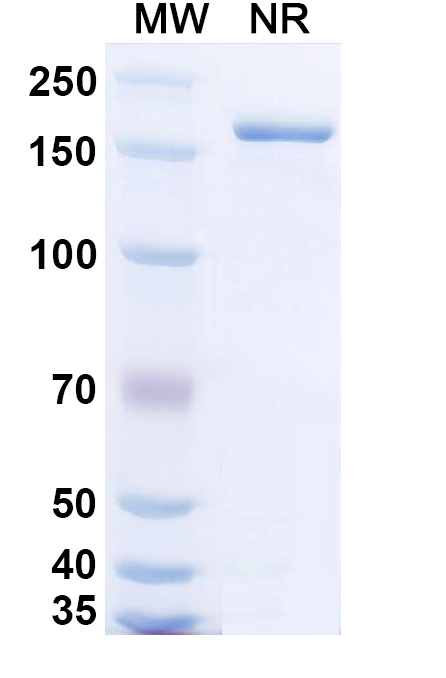
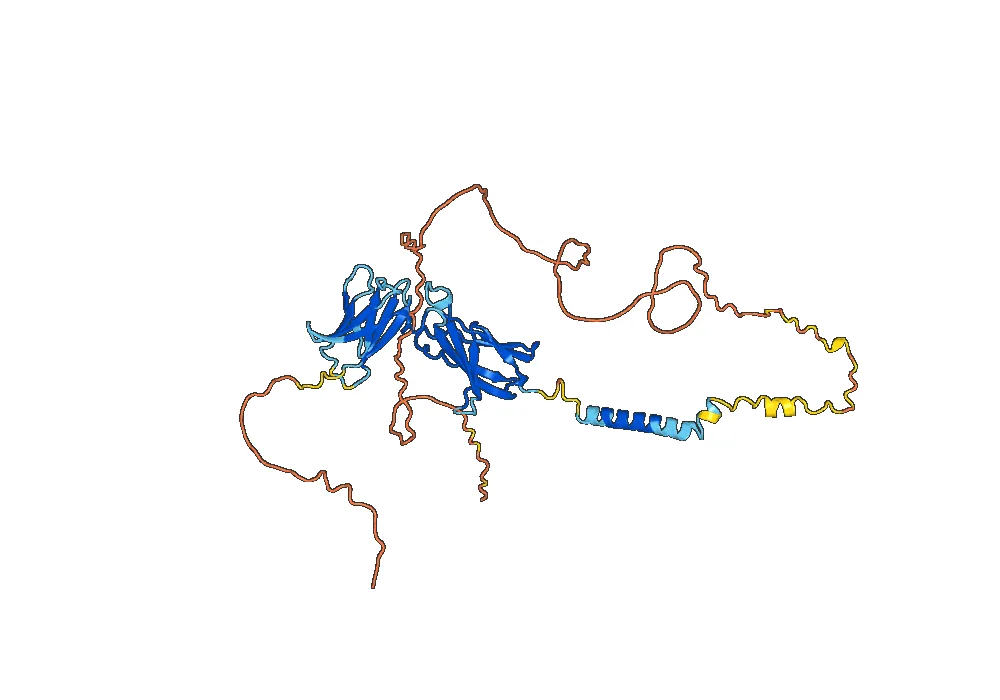
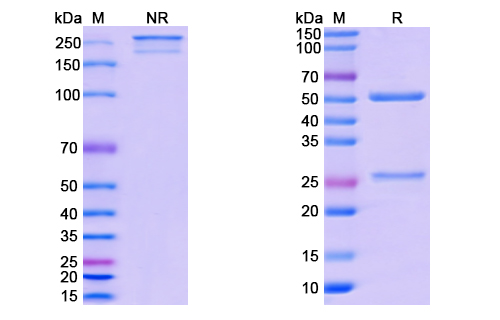
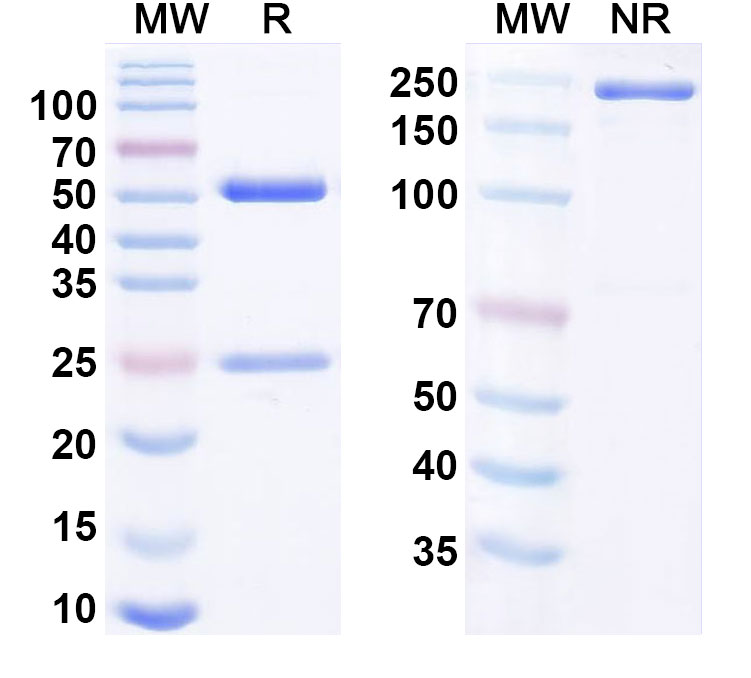
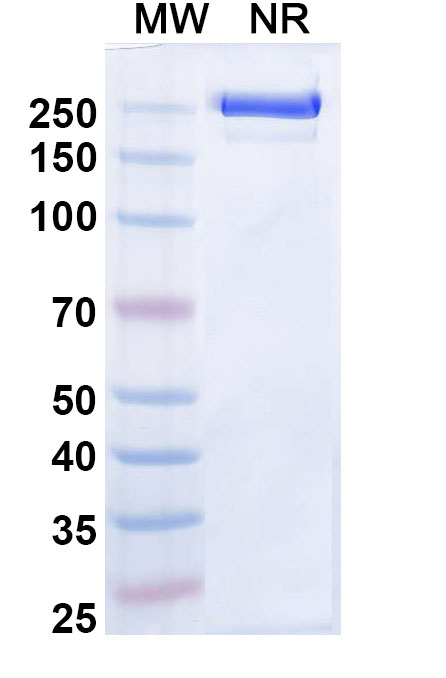
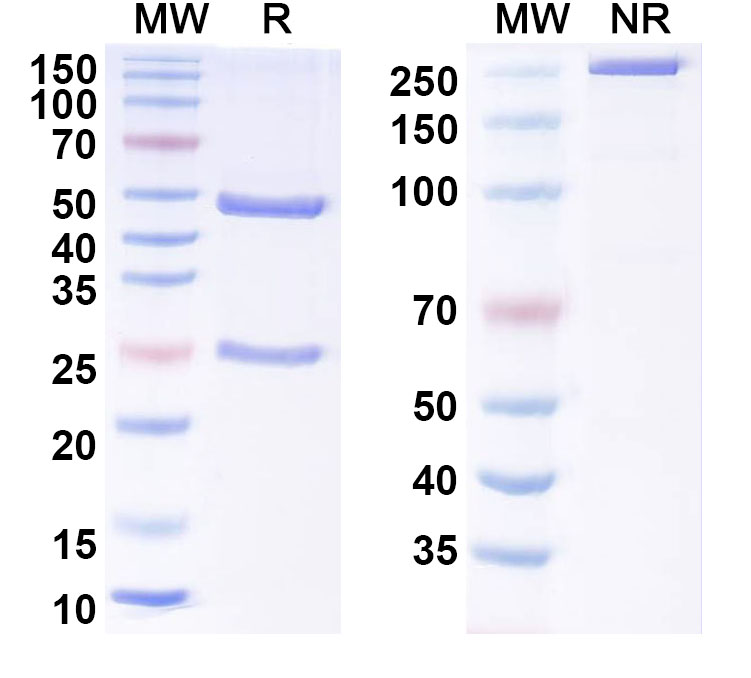
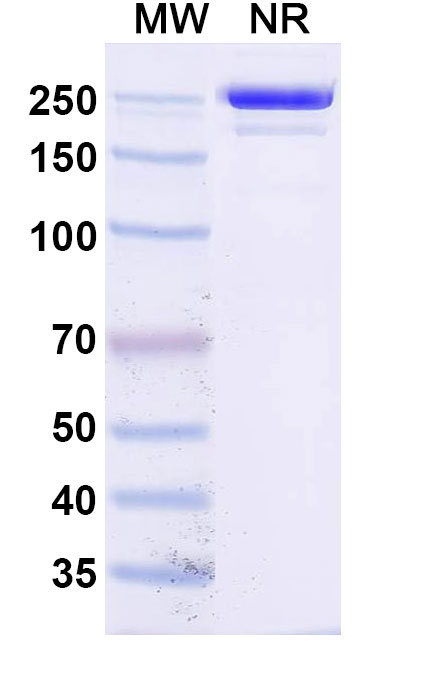
Bempikibart Biosimilar – Anti-IL7R mAb is a recombinant humanized monoclonal antibody that is produced using state-of-the-art technology. It is composed of two identical heavy chains and two identical light chains, each with a molecular weight of approximately 150 kDa. The antibody has a Y-shaped structure with two antigen-binding fragments (Fab) and one crystallizable fragment (Fc). The Fab region is responsible for binding to the IL7R, while the Fc region mediates effector functions such as antibody-dependent cellular cytotoxicity (ADCC) and complement-dependent cytotoxicity (CDC).
Activity of Bempikibart Biosimilar – Anti-IL7R mAb
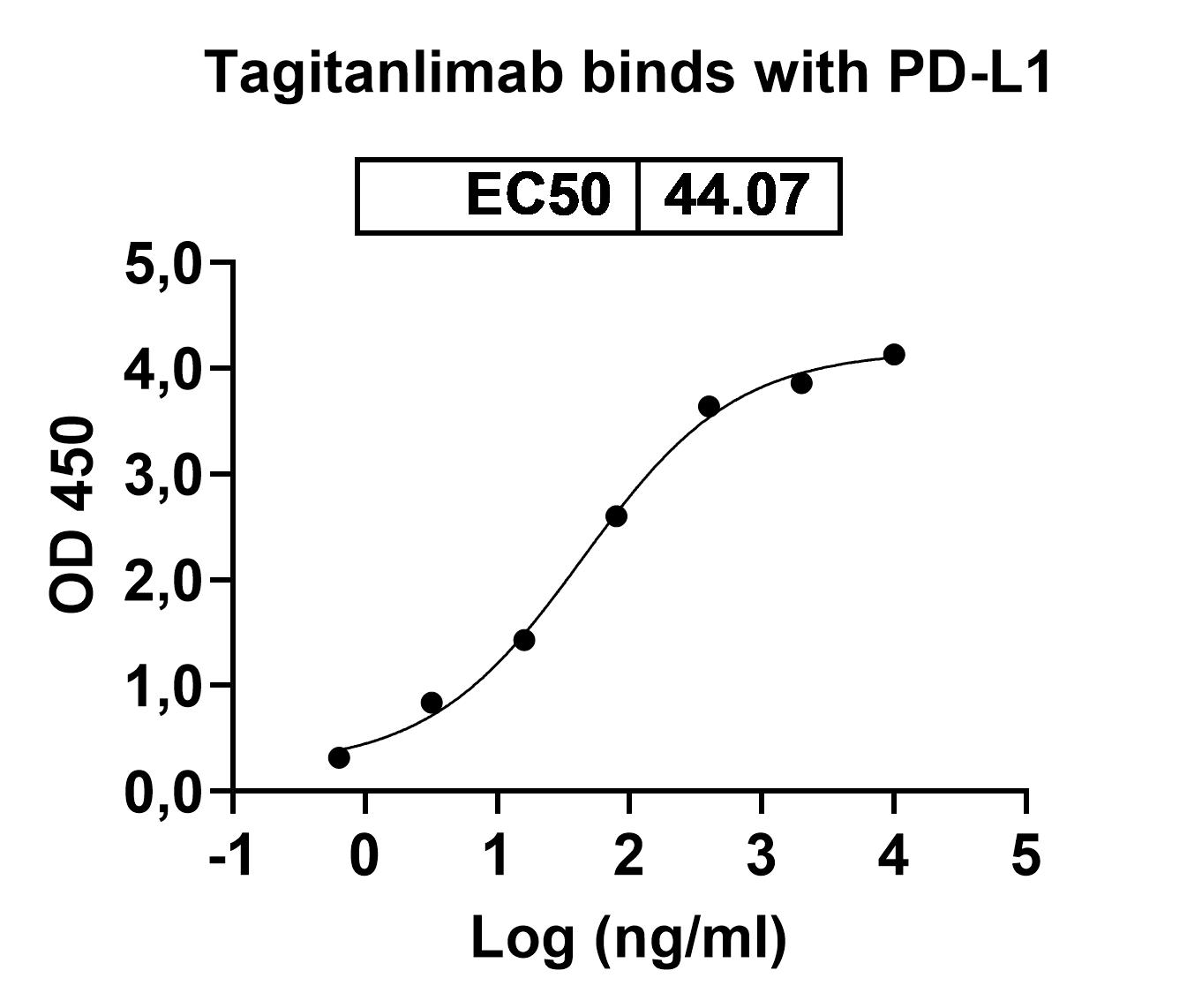
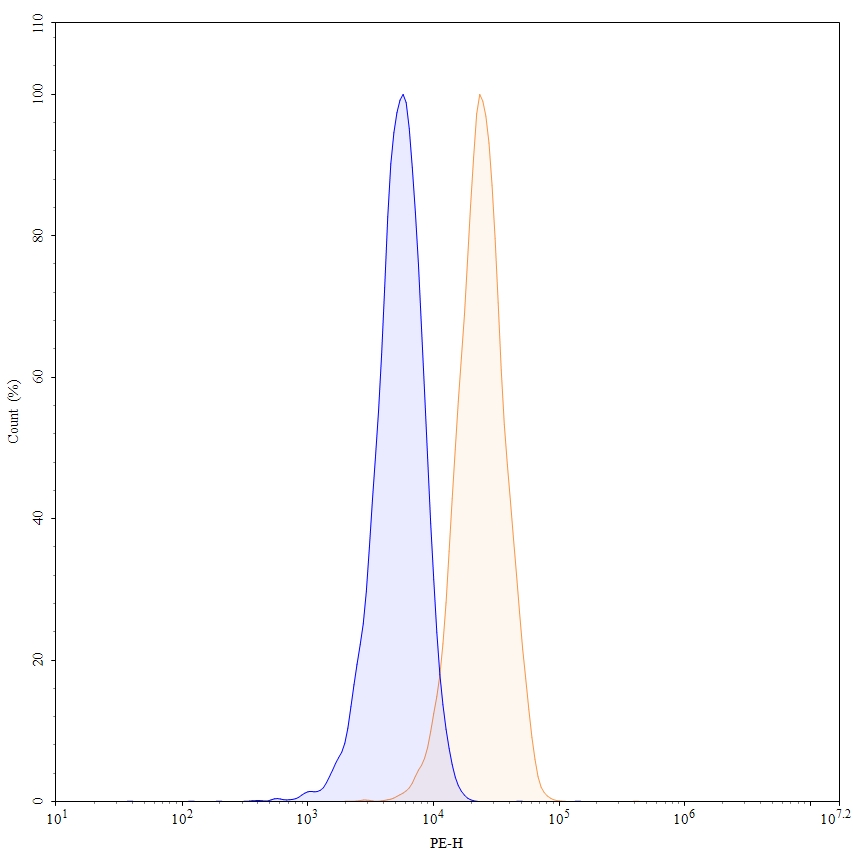
Bempikibart Biosimilar – Anti-IL7R mAb binds specifically to the IL7R, a receptor found on the surface of various immune cells, including T cells, B cells, and natural killer (NK) cells. IL7R is a key regulator of immune cell development and function, and its dysregulation has been implicated in various diseases, including autoimmune disorders and cancer. By binding to IL7R, Bempikibart Biosimilar – Anti-IL7R mAb blocks the interaction of IL7 with its receptor, thereby inhibiting downstream signaling pathways and modulating the immune response.
Potential Applications of Bempikibart Biosimilar – Anti-IL7R mAb
Bempikibart Biosimilar – Anti-IL7R mAb has shown promising results in preclinical studies for various diseases, including rheumatoid arthritis, multiple sclerosis, and certain types of cancer. In rheumatoid arthritis, Bempikibart Biosimilar – Anti-IL7R mAb has been shown to reduce inflammation and joint damage by targeting IL7R-expressing immune cells. In multiple sclerosis, the antibody has been found to inhibit the proliferation of autoreactive T cells and reduce disease severity. Additionally, Bempikibart Biosimilar – Anti-IL7R mAb has demonstrated anti-tumor activity in preclinical models of lymphoma and leukemia by targeting IL7R-expressing cancer cells.
Conclusion
In conclusion, Bempikibart Biosimilar – Anti-IL7R mAb is a highly specific and potent monoclonal antibody that targets the IL7R and has potential applications in various diseases. Its unique structure and mechanism of action make it a promising candidate for the development of novel therapies. Further clinical studies are needed to fully evaluate the efficacy and safety of Bempikibart Biosimilar – Anti-IL7R mAb, but it holds great promise as a potential therapeutic agent for the treatment of immune-related disorders and cancer.


There are no reviews yet.