Introduction
Blisibimod Biosimilar is a novel anti-BAFF fusion protein that has gained significant attention in the field of immunology and therapeutics. BAFF (B-cell activating factor) is a cytokine that plays a crucial role in the survival and maturation of B-cells, which are essential for the production of antibodies. Blisibimod Biosimilar is a research grade antibody that has been designed to specifically target BAFF and modulate its activity. In this article, we will provide a comprehensive description of the structure, activity, and potential applications of Blisibimod Biosimilar.
Structure of Blisibimod Biosimilar
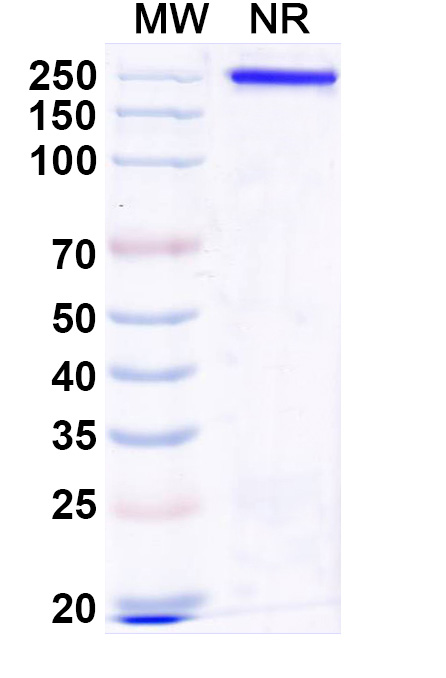
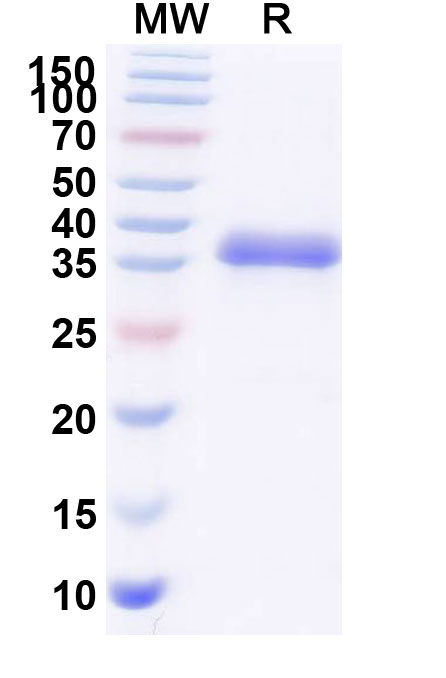
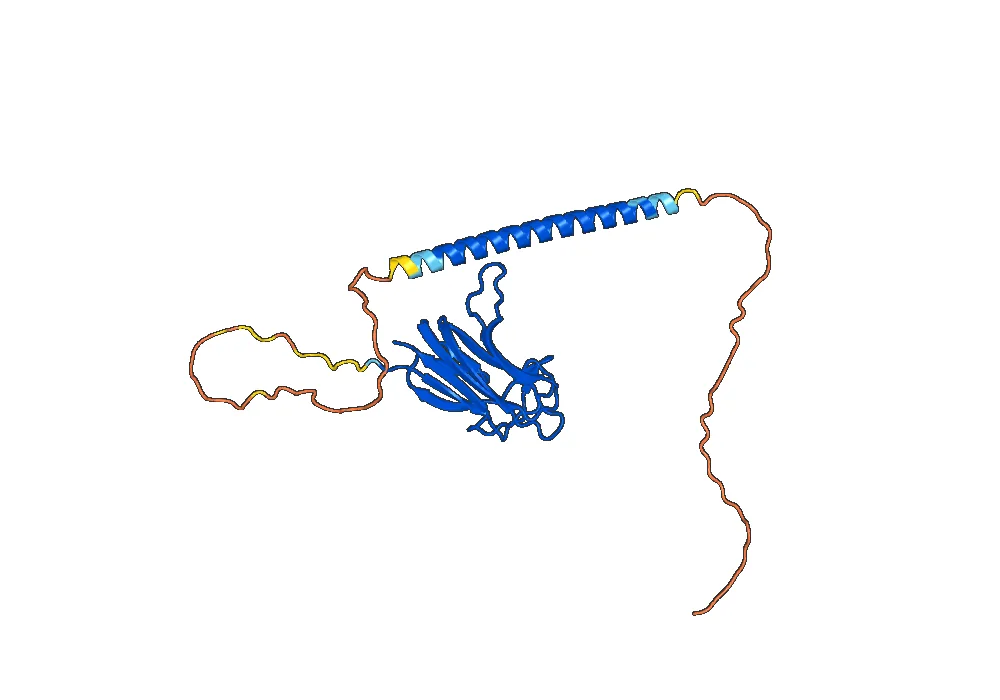
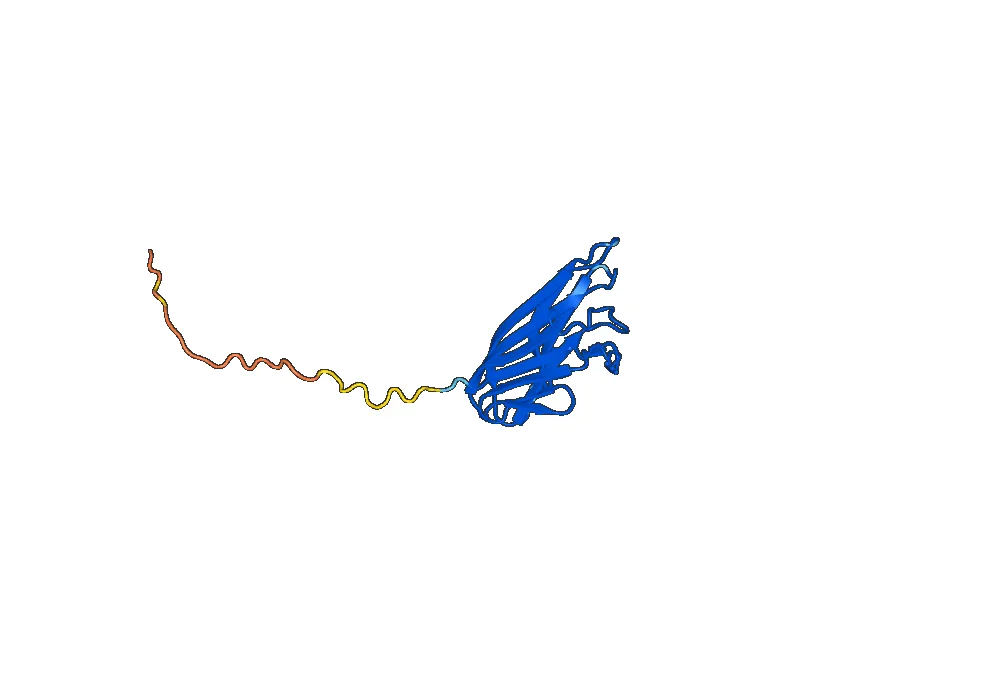
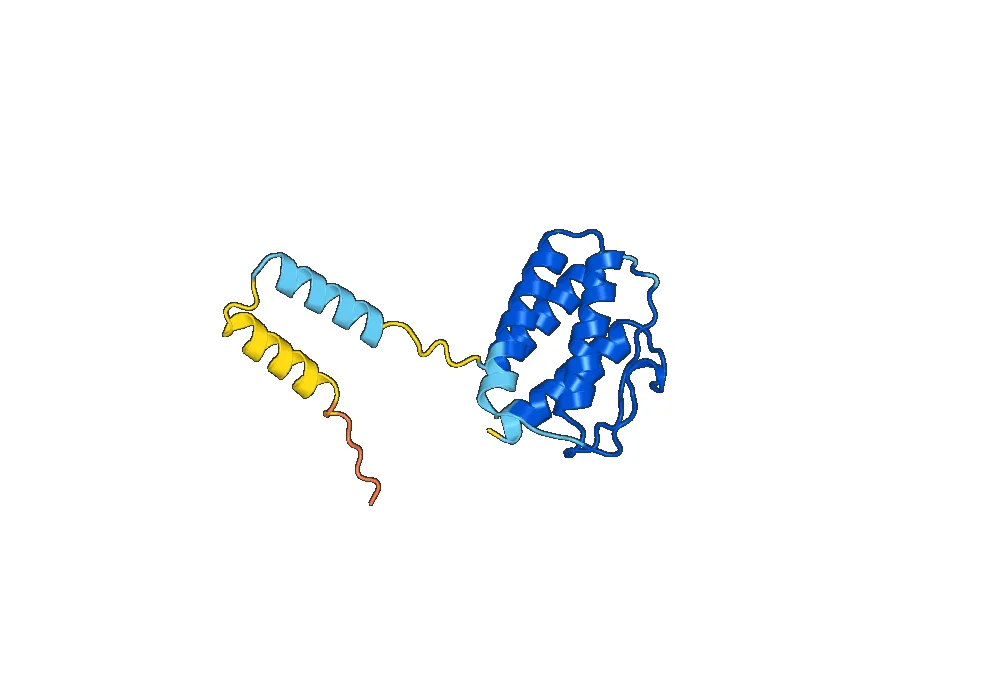
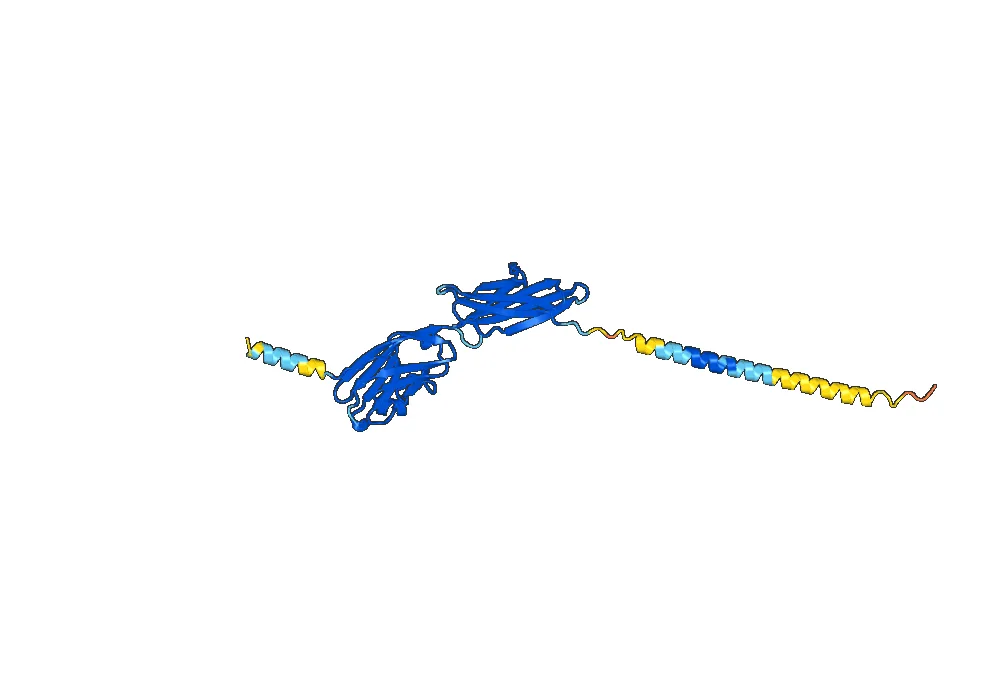
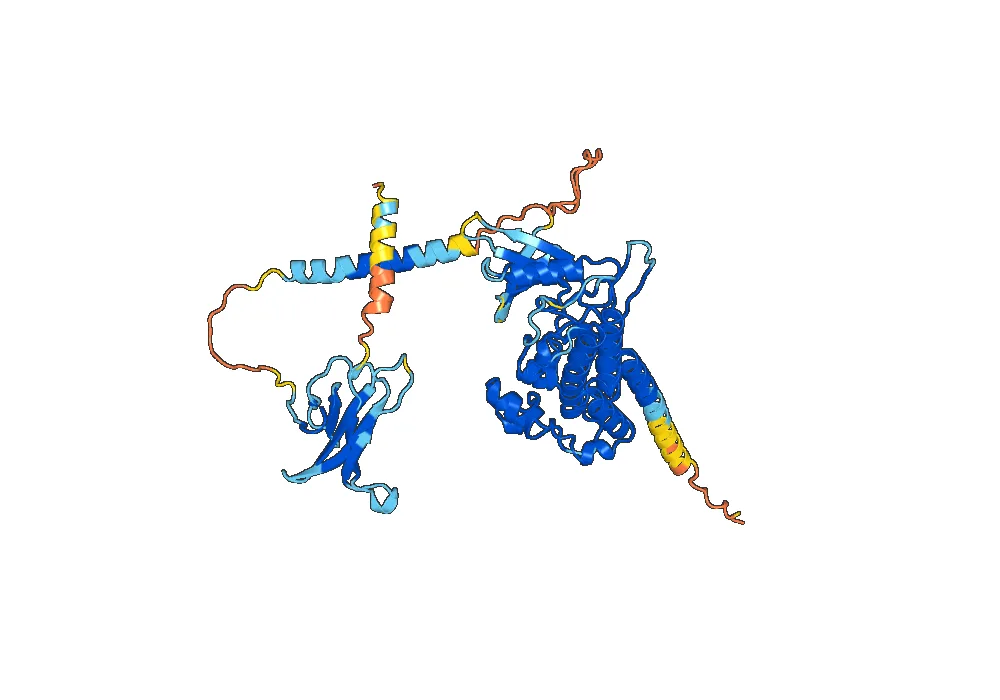
Blisibimod Biosimilar is a fusion protein composed of two distinct domains – the BAFF binding domain and the Fc domain. The BAFF binding domain is derived from a human monoclonal antibody that specifically binds to BAFF with high affinity. This domain is responsible for the specific targeting of BAFF. The Fc domain, on the other hand, is derived from the constant region of human immunoglobulin G (IgG) and is responsible for the effector functions of the fusion protein.
Activity of Blisibimod Biosimilar
Blisibimod Biosimilar exerts its activity by binding to BAFF and preventing its interaction with its receptors on B-cells. BAFF is known to promote the survival and maturation of B-cells, and its dysregulation has been implicated in various autoimmune diseases such as systemic lupus erythematosus (SLE) and rheumatoid arthritis. By blocking the BAFF signaling pathway, Blisibimod Biosimilar can inhibit the survival and maturation of B-cells, thereby reducing the production of autoantibodies and potentially ameliorating the symptoms of autoimmune diseases.
In addition to its BAFF-blocking activity, Blisibimod Biosimilar also possesses effector functions through its Fc domain. These include antibody-dependent cellular cytotoxicity (ADCC) and complement-dependent cytotoxicity (CDC), which can further enhance the therapeutic effects of the fusion protein.
Potential Applications of Blisibimod Biosimilar
Blisibimod Biosimilar has shown promising results in preclinical studies and is currently being evaluated in clinical trials for the treatment of various autoimmune diseases. One of the potential applications of Blisibimod Biosimilar is in the treatment of SLE, a chronic autoimmune disease that affects multiple organs and is characterized by the production of autoantibodies. In a phase II clinical trial, Blisibimod Biosimilar demonstrated significant improvements in disease activity and reduced levels of autoantibodies in SLE patients.
In addition to SLE, Blisibimod Biosimilar may also have potential applications in other autoimmune diseases such as rheumatoid arthritis and Sjögren’s syndrome. Furthermore, the fusion protein has also been investigated for its potential as a therapeutic agent in B-cell malignancies, as BAFF has been implicated in the survival and proliferation of B-cell lymphomas.
Conclusion
In summary, Blisibimod Biosimilar is a novel anti-BAFF fusion protein with a unique structure and dual mechanism of action. By specifically targeting BAFF and exerting effector functions, Blisibimod Biosimilar has the potential to be a promising therapeutic agent for the treatment of various autoimmune diseases and B-cell malignancies. Further clinical trials are needed to fully evaluate the efficacy and safety of this research grade antibody, but the early results are promising and warrant further investigation.

There are no reviews yet.