Get 25% off your first bioreagent online order — use code: PROTEOSHOP25

Brand: ProteoGenix

CCL4 / MIP-1-beta, N-GST, recombinant protein

Host species:
Escherichia coli (E.coli)
Origin species:
Homo sapiens (Human)
Molecular weight:
34.62 kDa

$392.00

100ug + 392 loyalty points
GST Ala24–Asn92
  • In Stock
  • Wide range of unique reagents
  • Fast worldwide delivery

CCL4 / MIP-1-beta, N-GST, recombinant protein

Product name CCL4 / MIP-1-beta, N-GST, recombinant protein
Origin species Homo sapiens (Human)
Expression system Prokaryotic expression
Molecular weight 34.62 kDa
Protein delivered with Tag? N-terminal GST Tag
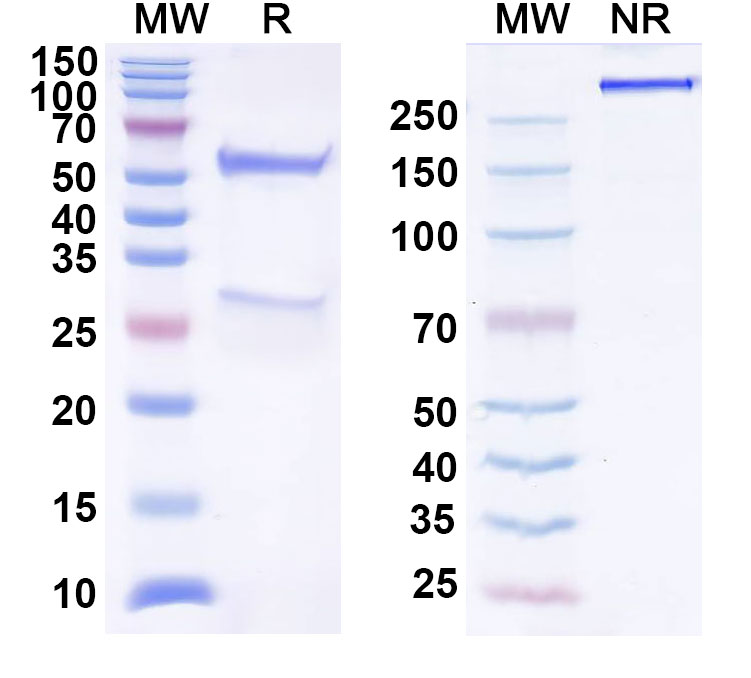
Purity estimated >90% as determined by SDS-PAGE
Buffer PBS, pH7.5
Delivery condition Dry Ice
Storage condition 4°C for short term (1 week), -20°C or -80°C for long term (avoid freezing/thawing cycles; addition of 20-40% glycerol improves cryoprotection)
Brand ProteoGenix
Host species Escherichia coli (E.coli)
Fragment Type Ala24-Asn92
Protein Accession P13236
Reference PX-P5545
Note For research use only
Background information Array
Molecular Constructor
GST Ala24–Asn92

Introduction:

CCL4/MIP-1-beta, N-GST is a recombinant protein that has gained significant attention in the field of drug development due to its potential as a drug target. This protein is a chemokine, which plays a crucial role in the immune response and has been associated with various diseases. In this article, we will delve into the structure, activity, and potential applications of CCL4/MIP-1-beta, N-GST recombinant protein.

Structure of CCL4/MIP-1-beta, N-GST Recombinant Protein:

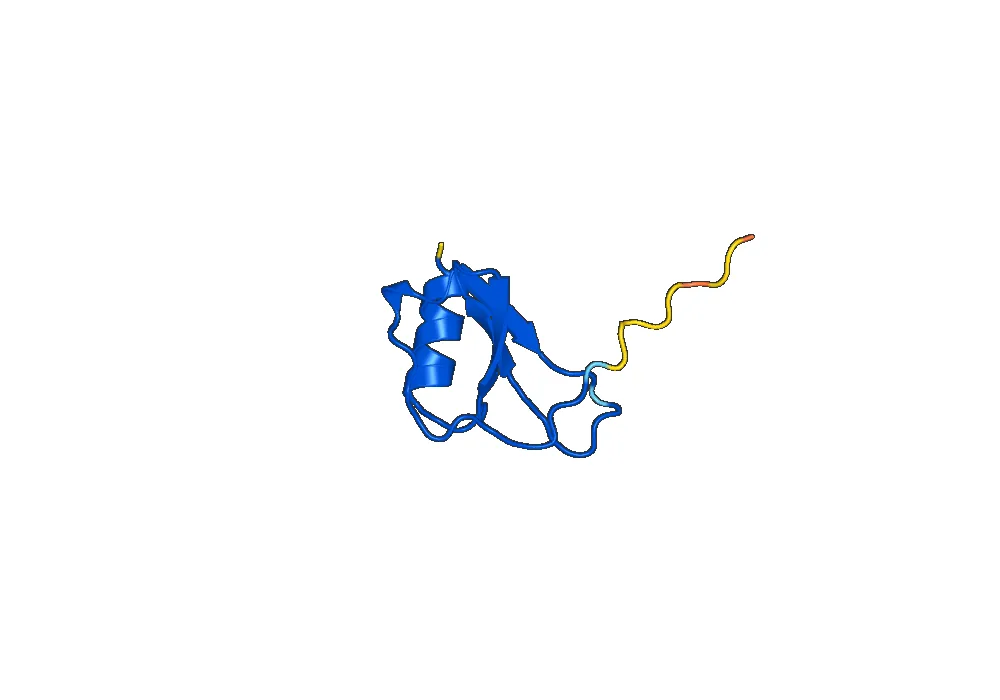
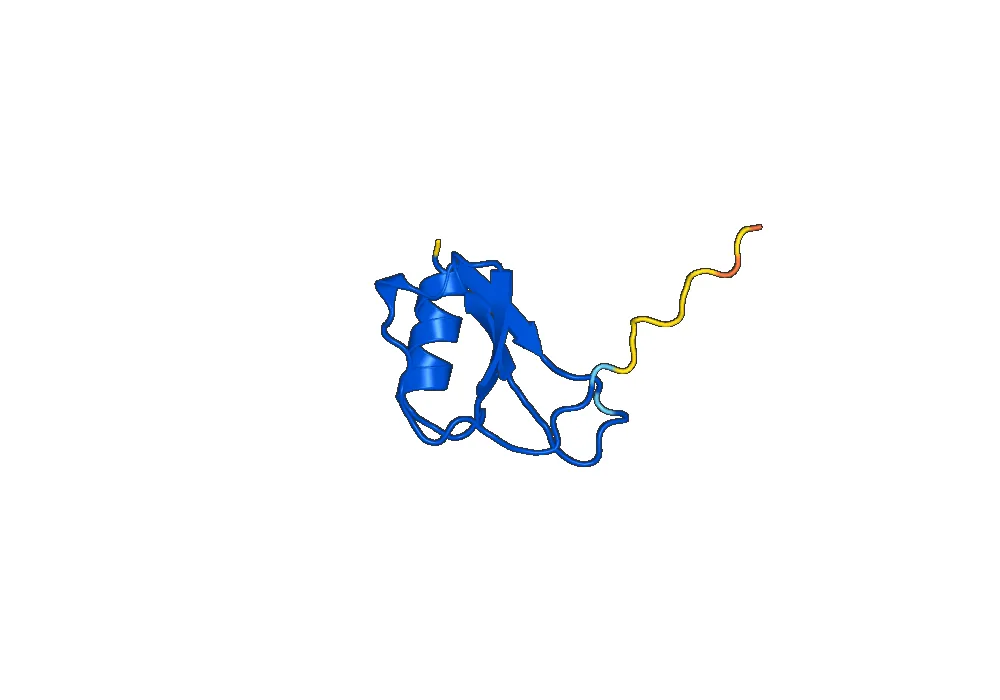
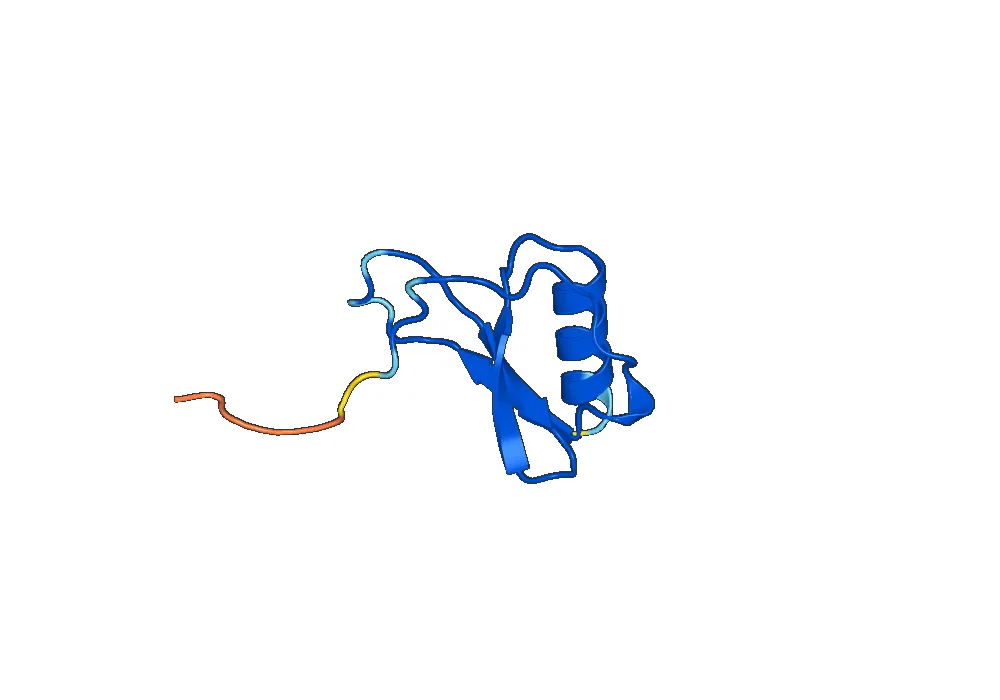
CCL4/MIP-1-beta, N-GST is a chemokine that belongs to the CC chemokine family. It is a small protein with a molecular weight of approximately 8 kDa and is composed of 69 amino acids. The protein has a highly conserved structure, with four cysteine residues that form two disulfide bonds, giving it a characteristic “”CC”” motif. This motif is crucial for its biological activity as it allows the protein to interact with specific receptors on the cell surface.

Activity of CCL4/MIP-1-beta, N-GST Recombinant Protein:

CCL4/MIP-1-beta, N-GST plays a vital role in the immune response by regulating the recruitment and activation of immune cells. It acts as a chemoattractant, guiding immune cells to the site of inflammation or infection. This protein is primarily produced by activated T cells, macrophages, and dendritic cells in response to various stimuli, such as pathogens or cytokines.

CCL4/MIP-1-beta, N-GST exerts its biological effects by binding to its receptors, CCR1, CCR5, and CCR8, which are expressed on the surface of immune cells. This binding triggers a series of signaling events that lead to the activation of immune cells and their migration to the site of inflammation. Additionally, CCL4/MIP-1-beta, N-GST has been shown to have antimicrobial properties, suggesting a potential role in the defense against infections.

Applications:

Due to its crucial role in the immune response, CCL4/MIP-1-beta, N-GST has been implicated in various diseases, making it a potential drug target. For instance, in inflammatory diseases such as rheumatoid arthritis and multiple sclerosis, there is an overproduction of CCL4/MIP-1-beta, N-GST, leading to excessive immune cell recruitment and tissue damage. Therefore, targeting this protein could help in controlling the inflammatory response and reducing disease severity.

Moreover, CCL4/MIP-1-beta, N-GST has been linked to cancer progression and metastasis. It has been shown to promote the migration and invasion of cancer cells, making it a potential target for cancer therapy. In addition, CCL4/MIP-1-beta, N-GST has been found to play a role in viral infections, such as HIV and hepatitis C. Therefore, targeting this protein could potentially help in controlling viral replication and spread.

Conclusion:

In summary, the structure and activity of CCL4/MIP-1-beta, N-GST recombinant protein make it a promising drug target for various diseases. Its role in the immune response and its involvement in various diseases make it a potential target for drug development. Further research on this protein and its receptors could lead to the development of novel therapies for inflammatory diseases, cancer, and viral infections.

There are no reviews yet.

Be the first to review “CCL4 / MIP-1-beta, N-GST, recombinant protein”

Your email address will not be published. Required fields are marked *

Recently viewed products

Loading recently viewed products…

Can’t find what you need?

Our catalog doesn’t cover everything — but our team does. Whether you need a custom antibody, a specific protein variant, or a bulk order, our scientists are here to help.

Contact Our Team Book a Call

Cart (0 Items)

Your cart is currently empty.

View Products