Dibotatug Biosimilar – Anti-Killer cell lectin-like receptor subfamily D member 1 mAb – Research Grade
Introduction
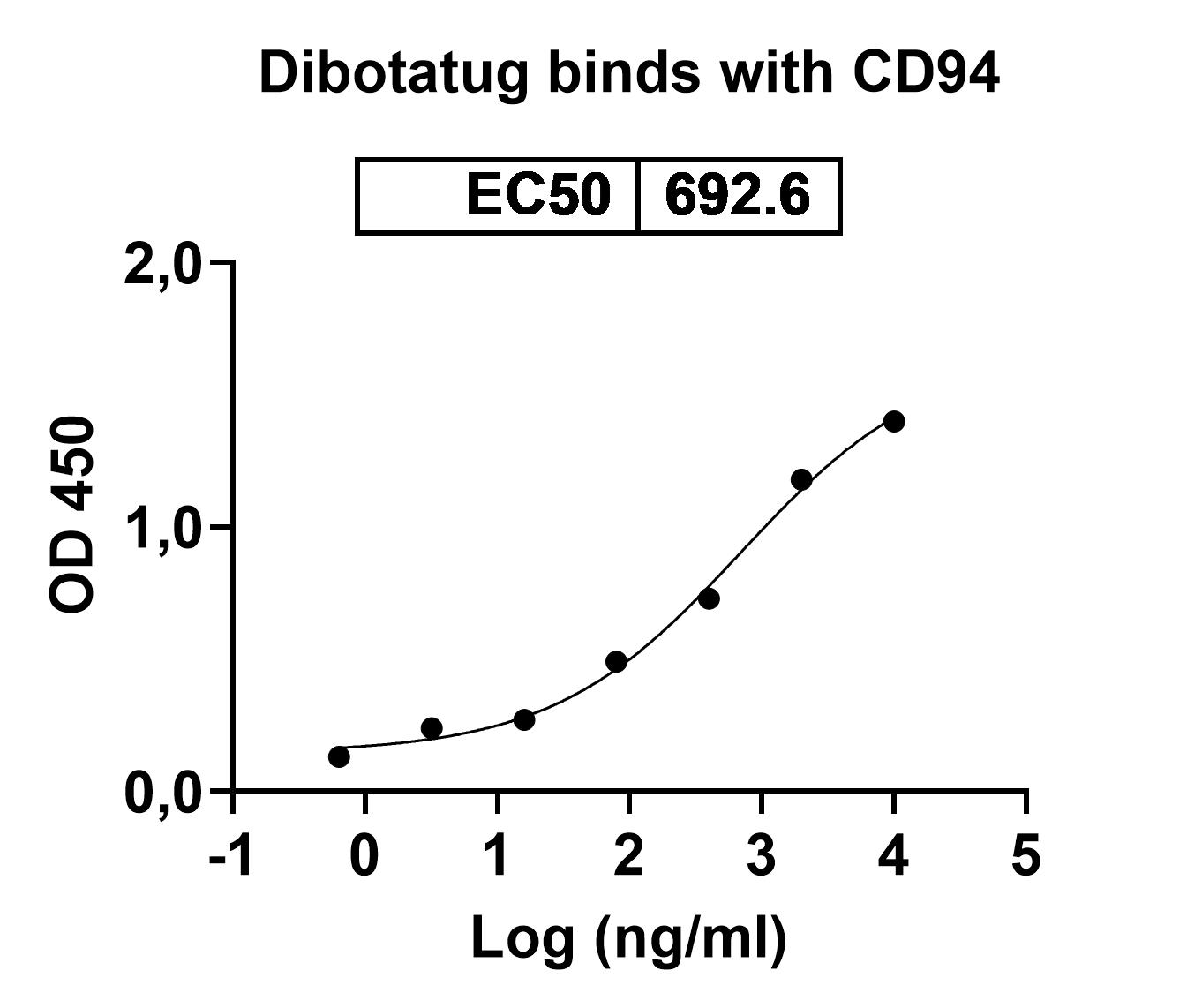
Dibotatug Biosimilar, also known as Anti-Killer cell lectin-like receptor subfamily D member 1 mAb, is a therapeutic antibody that has been developed to target a specific protein known as Killer cell lectin-like receptor subfamily D member 1 (KLRD1). This biosimilar is a research grade therapeutic antibody that has shown promising results in pre-clinical studies and is currently being evaluated for its potential use in various therapeutic applications.
Structure of Dibotatug Biosimilar
Dibotatug Biosimilar is a monoclonal antibody, meaning it is produced from a single clone of cells. It is a humanized antibody, meaning it is derived from a non-human source but has been modified to have a structure similar to that of a human antibody. This modification has been done to reduce the chances of an immune response when the antibody is administered to humans.
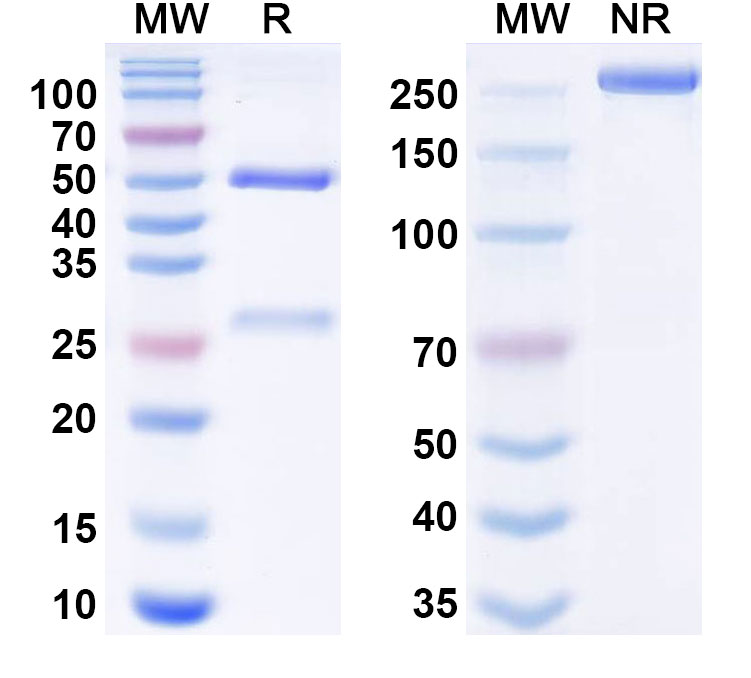
The antibody has a Y-shaped structure, with two identical heavy chains and two identical light chains. The heavy chains are made up of constant and variable regions, while the light chains only have variable regions. The variable regions are responsible for binding to the target protein, KLRD1.
Activity of Dibotatug Biosimilar
Dibotatug Biosimilar has been specifically designed to target and bind to KLRD1, a protein that is found on the surface of certain immune cells. KLRD1 is known to play a role in regulating the activity of these immune cells, and its overexpression has been linked to various diseases, including cancer.
When Dibotatug Biosimilar binds to KLRD1, it blocks its activity and prevents it from sending signals to the immune cells. This results in a decrease in the activity of these immune cells, which can have therapeutic benefits in certain diseases.
Application of Dibotatug Biosimilar
Dibotatug Biosimilar is being evaluated for its potential use in various therapeutic applications. Some of the potential applications include:
Cancer
As mentioned earlier, KLRD1 is overexpressed in certain types of cancer cells. By targeting and blocking KLRD1, Dibotatug Biosimilar can potentially inhibit the growth and spread of these cancer cells. Pre-clinical studies have shown promising results in various types of cancer, including lung cancer, breast cancer, and melanoma.
Inflammatory and Autoimmune Diseases
KLRD1 has also been linked to certain inflammatory and autoimmune diseases, such as rheumatoid arthritis and multiple sclerosis. By blocking KLRD1, Dibotatug Biosimilar can potentially reduce the activity of immune cells that contribute to these diseases, providing a potential treatment option for patients.
Infectious Diseases
KLRD1 has been found to play a role in the immune response to certain infectious diseases, such as malaria and HIV. By targeting KLRD1, Dibotatug Biosimilar can potentially modulate the immune response and improve the body’s ability to fight these infections.
Conclusion
In conclusion, Dibotatug Biosimilar is a research grade therapeutic antibody that has been designed to target and block the activity of KLRD1. Its specific structure and activity make it a promising candidate for the treatment of various diseases, including cancer, inflammatory and autoimmune diseases, and infectious diseases. Further studies and clinical trials are needed to fully evaluate the potential of this biosimilar in therapeutic applications.
There are no reviews yet.