Introduction
Ebronucimab Biosimilar, also known as Anti-PCSK9 mAb, is a research grade monoclonal antibody that has shown great potential in the treatment of hypercholesterolemia. This antibody targets the protein PCSK9, which plays a crucial role in regulating cholesterol levels in the body. In this article, we will delve into the structure, activity, and potential applications of Ebronucimab Biosimilar.
Structure of Ebronucimab Biosimilar
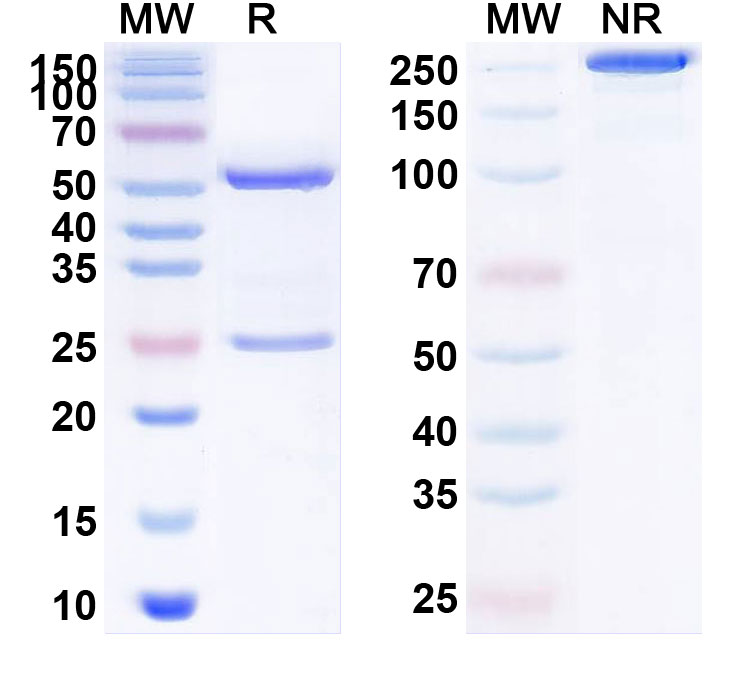
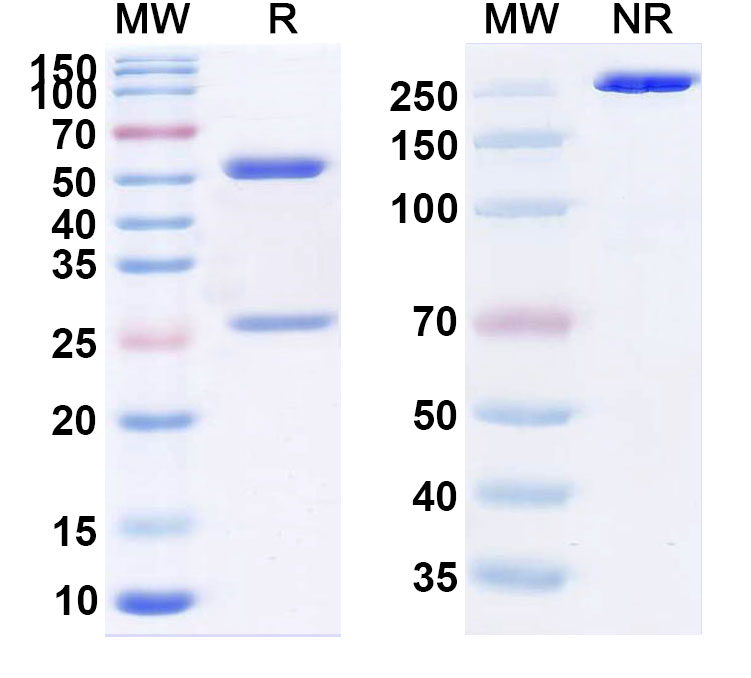
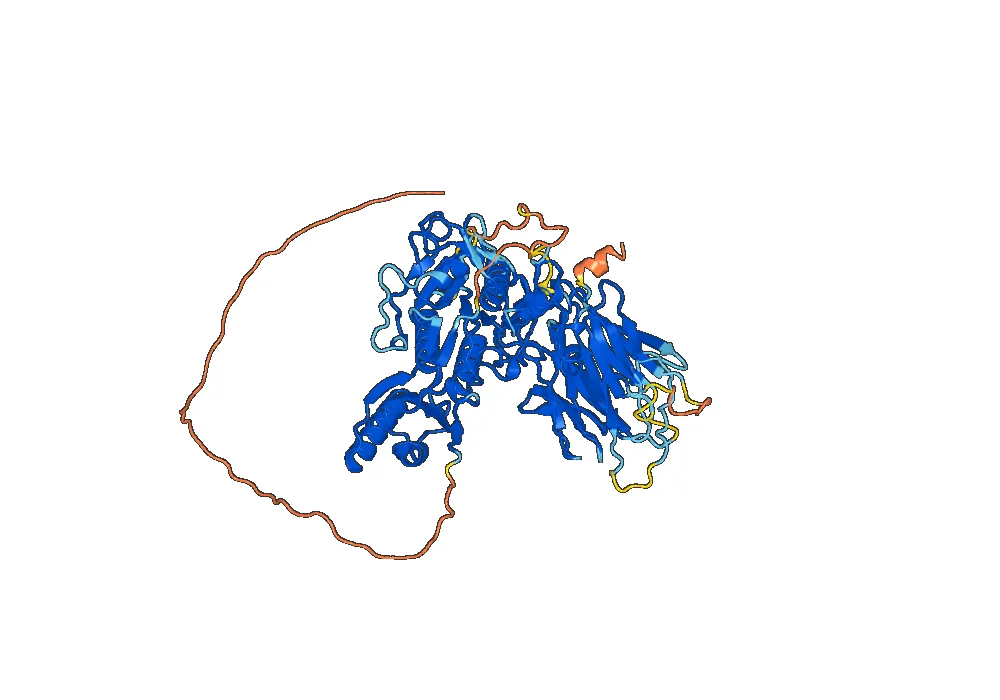
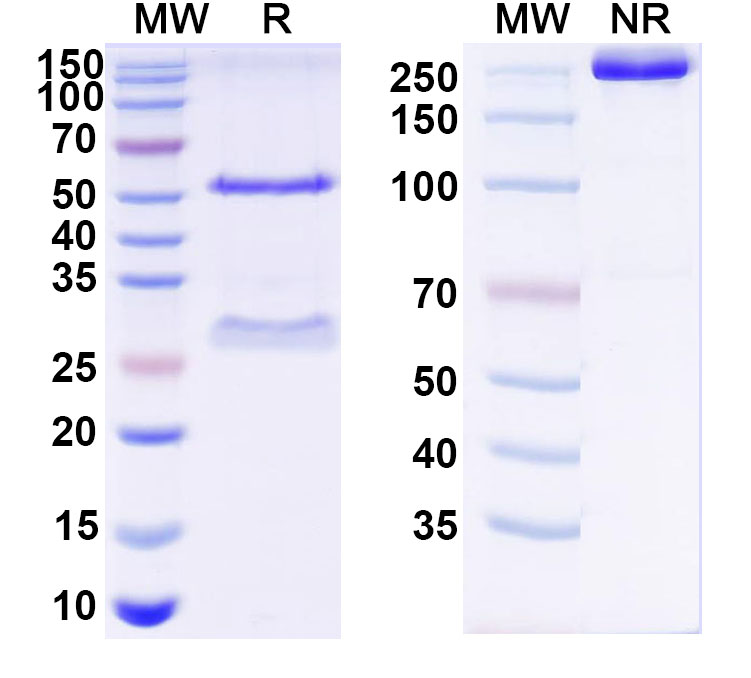
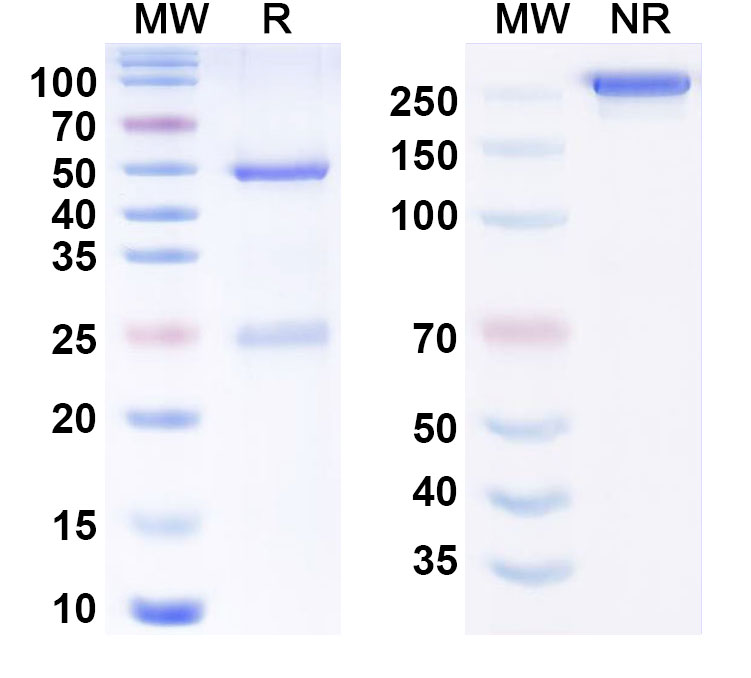
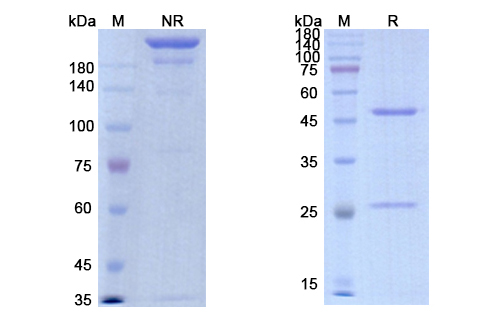
Ebronucimab Biosimilar is a fully humanized monoclonal antibody, meaning it is derived from human cells and has a high affinity for its target protein. The antibody is composed of two heavy chains and two light chains, connected by disulfide bonds. The heavy chains consist of constant and variable regions, while the light chains only have variable regions. The variable regions are responsible for binding to the target protein, PCSK9.
Activity of Ebronucimab Biosimilar
Ebronucimab Biosimilar works by binding to PCSK9, a protein that is primarily produced in the liver. PCSK9 plays a critical role in regulating cholesterol levels by binding to and degrading the low-density lipoprotein receptor (LDLR). This results in a decrease in the number of LDLRs on the surface of liver cells, leading to increased levels of LDL cholesterol in the blood.
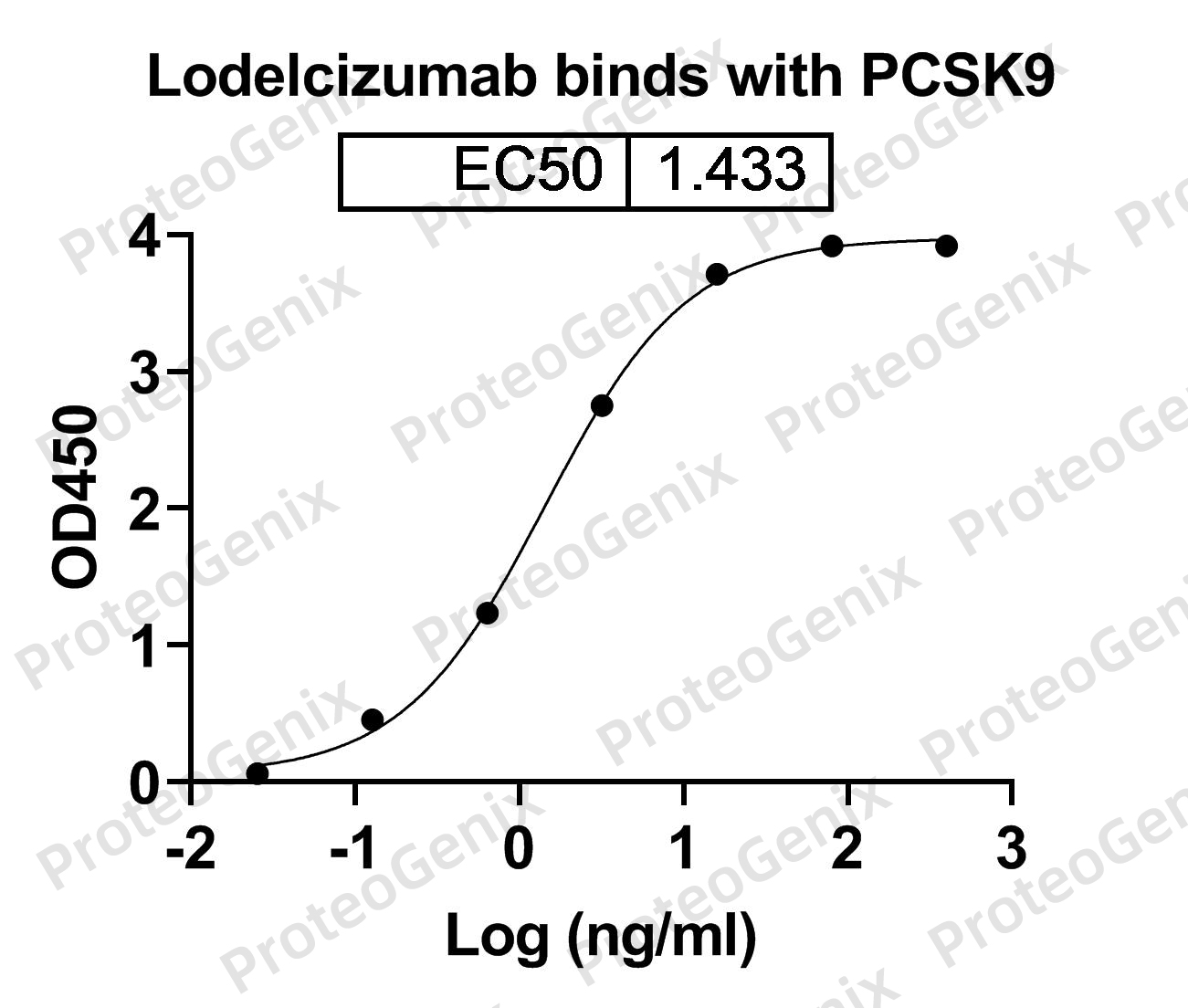
By binding to PCSK9, Ebronucimab Biosimilar prevents it from interacting with LDLR, allowing more LDLRs to remain on the surface of liver cells. This leads to increased clearance of LDL cholesterol from the blood, resulting in lower levels of LDL cholesterol.
Applications of Ebronucimab Biosimilar
Ebronucimab Biosimilar has shown great potential in the treatment of hypercholesterolemia, a condition characterized by high levels of LDL cholesterol in the blood. It has been studied in both clinical and preclinical trials and has shown promising results in reducing LDL cholesterol levels.
In addition to its potential use in hypercholesterolemia, Ebronucimab Biosimilar has also been investigated for its role in reducing the risk of cardiovascular diseases. High levels of LDL cholesterol have been linked to an increased risk of heart disease and stroke, and by lowering LDL cholesterol levels, Ebronucimab Biosimilar may help in preventing these conditions.
Furthermore, Ebronucimab Biosimilar has also been studied as a potential treatment for familial hypercholesterolemia, a genetic condition that causes extremely high levels of LDL cholesterol. This condition is often difficult to manage with traditional cholesterol-lowering medications, and Ebronucimab Biosimilar may offer a new and effective treatment option.
Conclusion
In conclusion, Ebronucimab Biosimilar is a research grade monoclonal antibody that has shown great potential in the treatment of hypercholesterolemia and other related conditions. Its unique mechanism of action, targeting PCSK9, makes it a promising therapeutic option for lowering LDL cholesterol levels and reducing the risk of cardiovascular diseases. With further research and clinical trials, Ebronucimab Biosimilar may become a valuable addition to the current arsenal of cholesterol-lowering medications.


There are no reviews yet.