Introduction
Efercoleukin Alfa Biosimilar is a novel monoclonal antibody (mAb) targeting interleukin-2 (IL2), a key cytokine involved in immune response regulation. This biosimilar is a highly promising therapeutic agent with potential applications in various diseases. In this article, we will discuss the structure, activity, and potential applications of Efercoleukin Alfa Biosimilar.
Structure of Efercoleukin Alfa Biosimilar
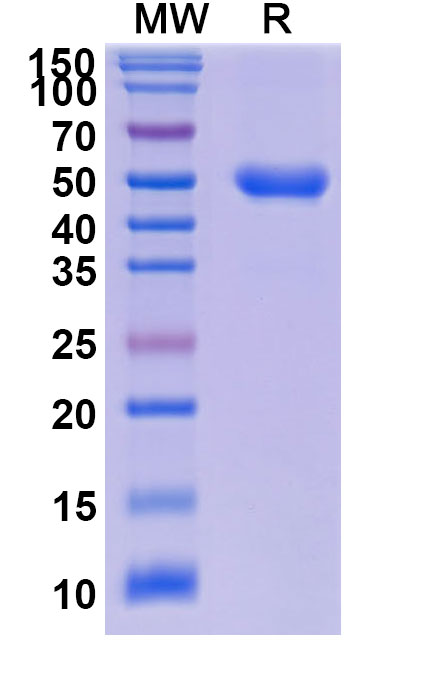
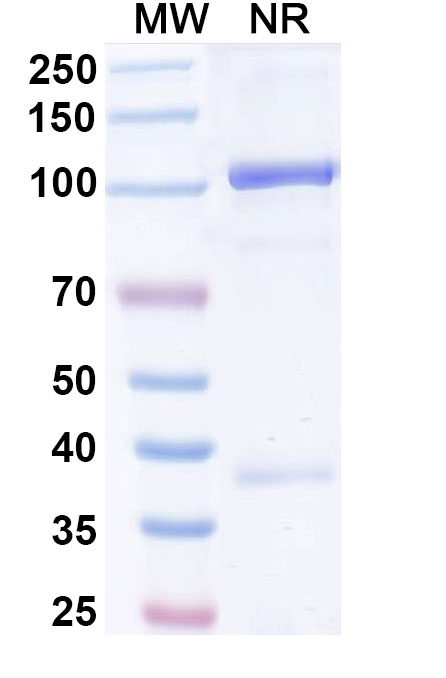
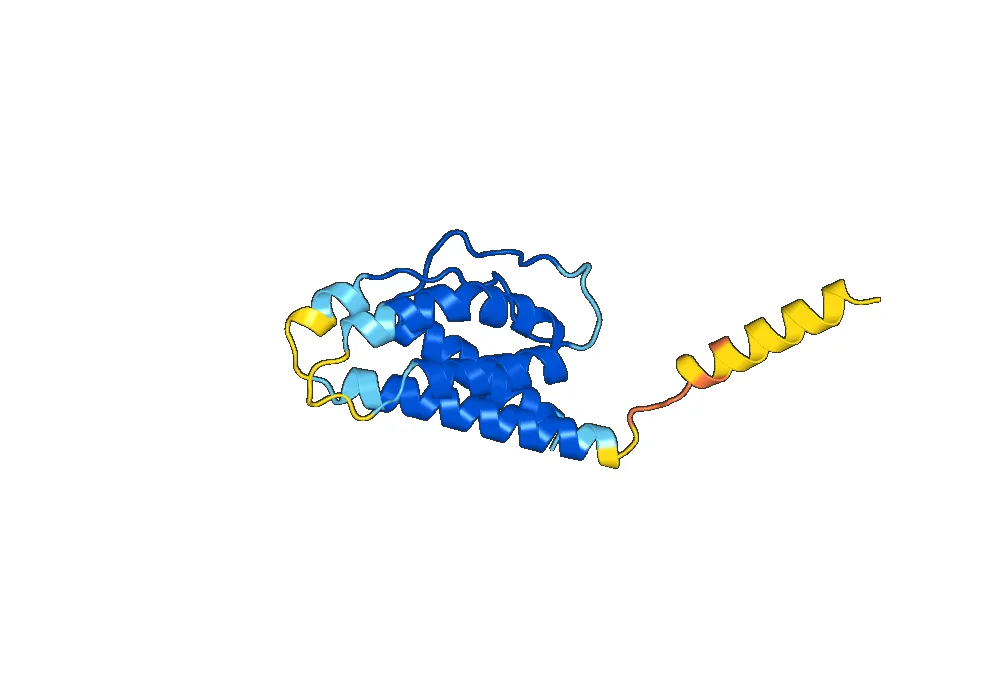
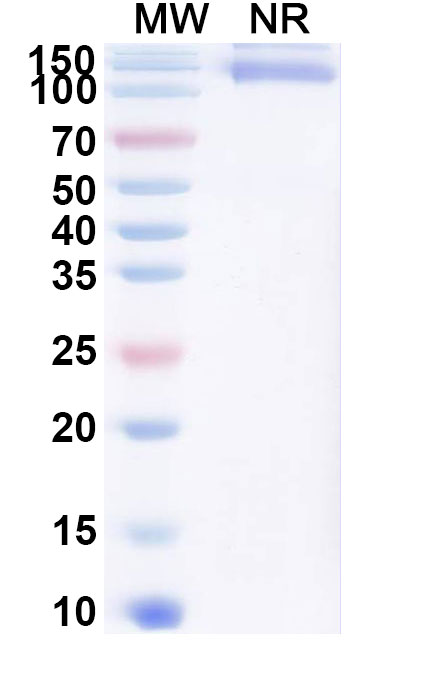
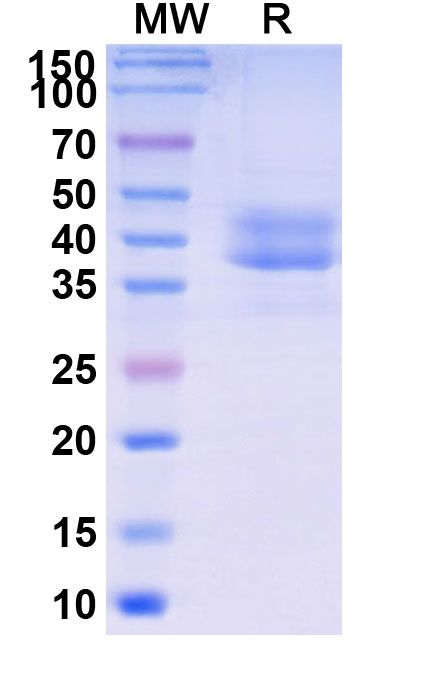
Efercoleukin Alfa Biosimilar is a recombinant humanized IgG1 monoclonal antibody with a molecular weight of approximately 150 kDa. It is produced by recombinant DNA technology using Chinese hamster ovary (CHO) cells. The antibody consists of two heavy chains and two light chains, each containing variable and constant regions. The variable region of the antibody is responsible for binding to IL2, while the constant region determines its effector functions.
Mechanism of Action
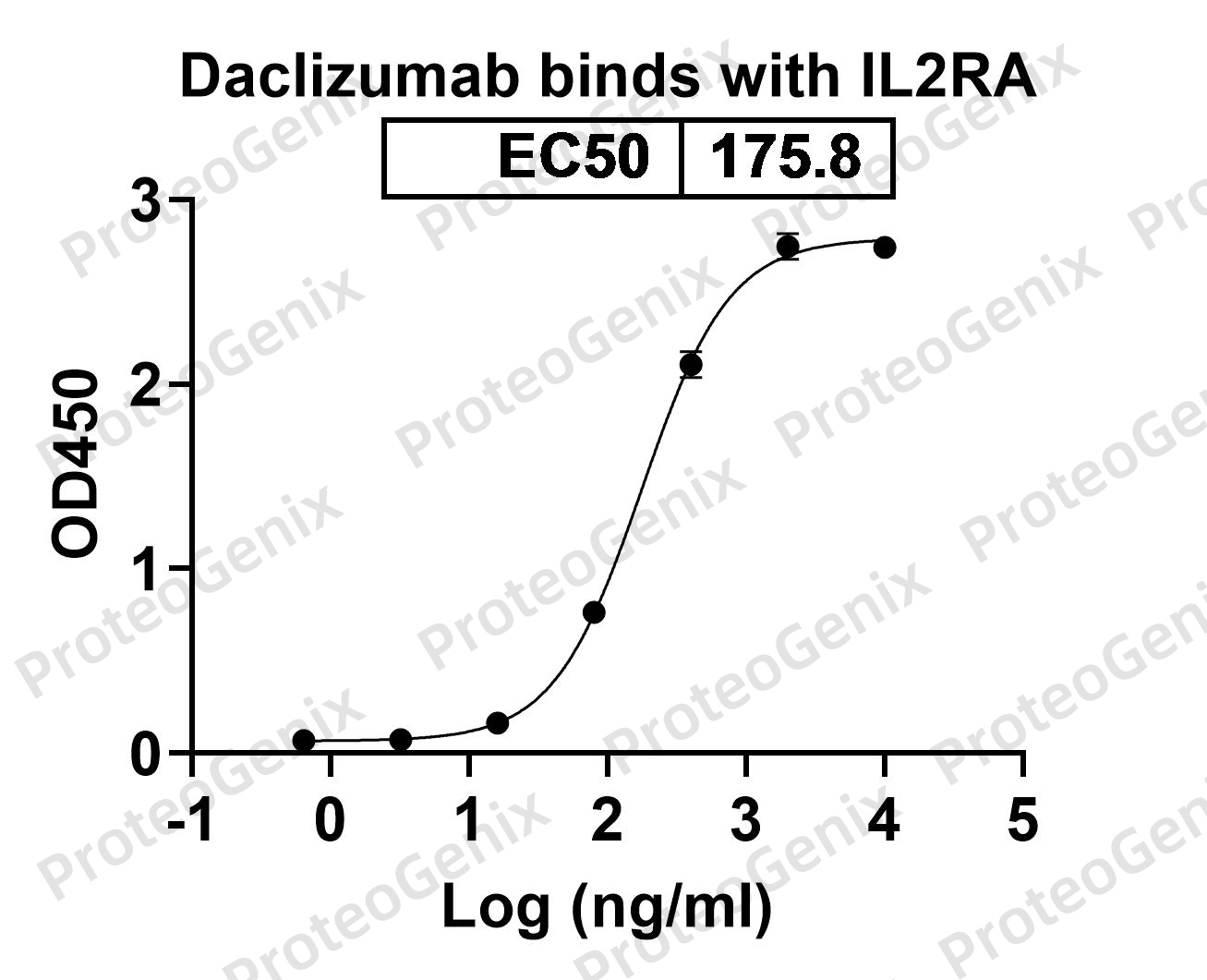
Efercoleukin Alfa Biosimilar exerts its therapeutic effects by specifically targeting and binding to IL2, a cytokine that plays a crucial role in T-cell proliferation and activation. By binding to IL2, Efercoleukin Alfa Biosimilar prevents its interaction with its receptor, thereby inhibiting T-cell activation and proliferation. This leads to a reduction in the production of pro-inflammatory cytokines and suppression of immune response, making it a potent immunosuppressant.
Potential Applications
Efercoleukin Alfa Biosimilar has shown promising results in preclinical studies and is currently being evaluated for its therapeutic potential in various diseases, including autoimmune disorders, transplant rejection, and certain types of cancer.
Autoimmune Disorders
Efercoleukin Alfa Biosimilar has been studied in animal models of autoimmune diseases such as rheumatoid arthritis, multiple sclerosis, and psoriasis. In these models, the antibody has shown to effectively suppress the immune response and reduce disease severity. It is believed that Efercoleukin Alfa Biosimilar can be a potential treatment option for these diseases by targeting the underlying inflammatory processes.
Transplant Rejection
Transplant rejection is a major concern in organ transplantation, and IL2 has been identified as a key mediator in this process. Efercoleukin Alfa Biosimilar has shown to be effective in preventing transplant rejection in animal models by inhibiting T-cell activation. This makes it a potential therapeutic agent for improving the success rates of organ transplantation.
Cancer
IL2 is known to play a critical role in the growth and survival of certain types of cancer cells. Efercoleukin Alfa Biosimilar has shown promising results in preclinical studies as a potential treatment for IL2-dependent cancers, including renal cell carcinoma and melanoma. By targeting IL2, Efercoleukin Alfa Biosimilar can inhibit the growth and survival of cancer cells, making it a promising therapeutic option for these malignancies.
Clinical Development and Future Prospects
Efercoleukin Alfa Biosimilar is currently in the preclinical stage of development, and further studies are needed to evaluate its safety and efficacy in humans. However, based on the promising results from animal studies, it is expected to have a significant impact on the treatment of various diseases. If successful, Efercoleukin Alfa Biosimilar could potentially offer a more targeted and safer alternative to current immunosuppressive therapies.
Conclusion
In conclusion, Efercoleukin Alfa Biosimilar is a promising anti-IL2 mAb with potential applications in various diseases. Its unique mechanism of action and favorable safety profile make it a highly promising therapeutic agent. Further clinical studies are needed to fully explore the potential of this biosimilar and bring it to the market as a safe and effective treatment option for patients.

There are no reviews yet.