Introduction
The Human CD158k/KIR3DL2 HEK293T Stable Cell Line is a valuable tool for studying the structure, activity, and potential therapeutic applications of the human CD158k/KIR3DL2 protein. This cell line is derived from human embryonic kidney cells (HEK293T) and stably expresses the CD158k/KIR3DL2 protein, making it a reliable and consistent model for studying this protein.
Structure of CD158k/KIR3DL2 Protein
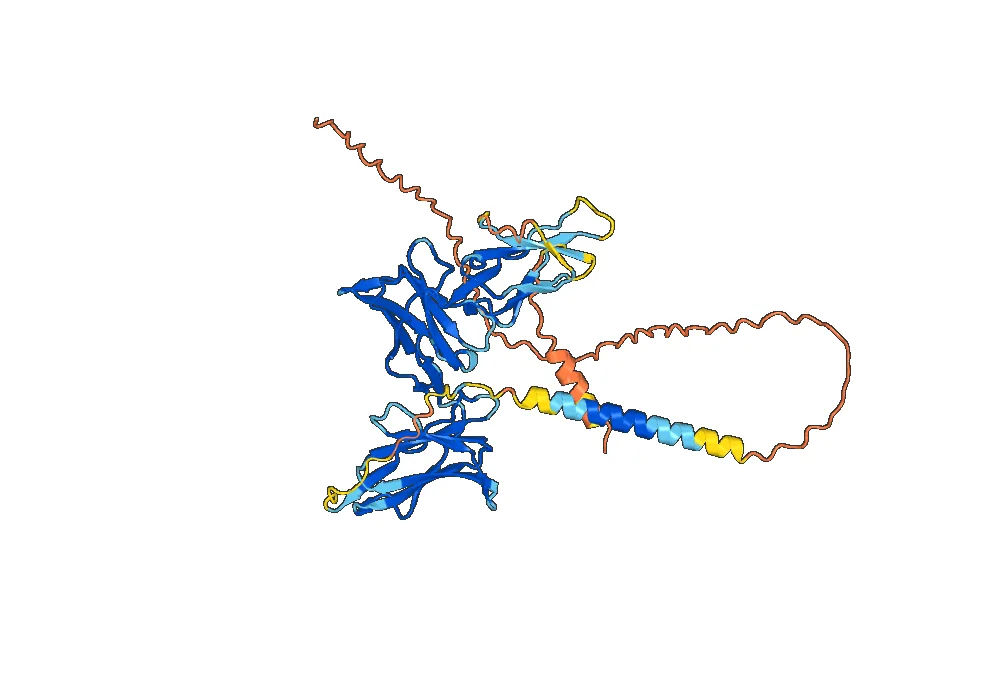
The CD158k/KIR3DL2 protein is a member of the killer cell immunoglobulin-like receptor (KIR) family, which plays a critical role in regulating the activity of natural killer (NK) cells and T cells. This protein is composed of two immunoglobulin-like domains (D1 and D2) in the extracellular region, a transmembrane domain, and a short cytoplasmic tail.
The D1 domain is responsible for binding to its ligand, the human leukocyte antigen (HLA)-B27, while the D2 domain is involved in signal transduction. The transmembrane domain anchors the protein to the cell membrane, and the cytoplasmic tail contains immunoreceptor tyrosine-based inhibitory motifs (ITIMs) that play a role in regulating the activity of the protein.
Activity of CD158k/KIR3DL2 Protein
The CD158k/KIR3DL2 protein is primarily expressed on the surface of NK cells and a subset of T cells. It acts as an inhibitory receptor, which means it can downregulate the activity of these immune cells when bound to its ligand, HLA-B27. This helps to prevent the activation of these cells in response to normal healthy cells, thus avoiding unnecessary immune responses.
However, in certain conditions, such as in patients with ankylosing spondylitis (AS) or cutaneous T-cell lymphoma (CTCL), the CD158k/KIR3DL2 protein can become overexpressed and contribute to disease progression. In these cases, the protein may also have a role in promoting the survival and proliferation of cancer cells.
Application of CD158k/KIR3DL2 HEK293T Stable Cell Line
The Human CD158k/KIR3DL2 HEK293T Stable Cell Line has several potential applications in research, particularly in the field of immunology and cancer biology.
Flow Cytometry Analysis
One of the main applications of this cell line is in flow cytometry analysis. The stable expression of the CD158k/KIR3DL2 protein on the cell surface allows for easy detection and quantification of the protein using fluorescently-labeled antibodies. This can be used to study the expression levels of CD158k/KIR3DL2 in different cell types and under different conditions, providing valuable insights into its role in various diseases.
Therapeutic Target
The overexpression of the CD158k/KIR3DL2 protein in AS and CTCL makes it a potential therapeutic target for these diseases. The Human CD158k/KIR3DL2 HEK293T Stable Cell Line can be used to screen for potential drugs or antibodies that can specifically target and inhibit the activity of this protein, thereby potentially treating these diseases.
Drug Discovery
Furthermore, this cell line can also be used in drug discovery efforts to identify novel compounds that can modulate the activity of the CD158k/KIR3DL2 protein. By screening libraries of small molecules or natural products, researchers can identify potential lead compounds that can be further developed into drugs for the treatment of AS, CTCL, or other diseases involving the CD158k/KIR3DL2 protein.

There are no reviews yet.