Title: Introduction to Naxitamab Biosimilar – Research Grade: A Promising Therapeutic Target for Cancer Treatment
Naxitamab Biosimilar – Research Grade is a novel therapeutic agent that has shown promising results in the treatment of various types of cancer. This biosimilar is a monoclonal antibody that targets the disialoganglioside GD2, a cell surface antigen that is highly expressed in many types of cancer cells. In this article, we will delve into the structure, activity, and potential applications of Naxitamab Biosimilar – Research Grade as a therapeutic target for cancer treatment.
Structure of Naxitamab Biosimilar – Research Grade
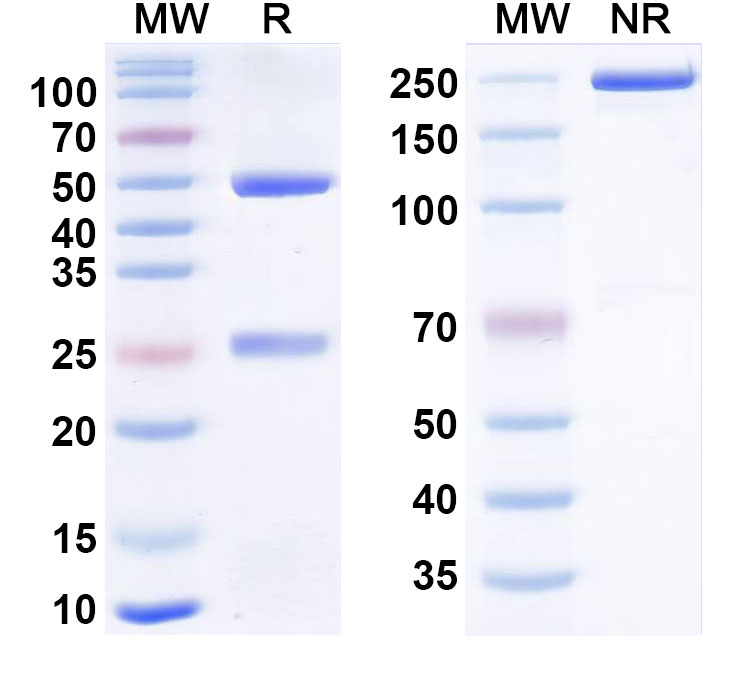
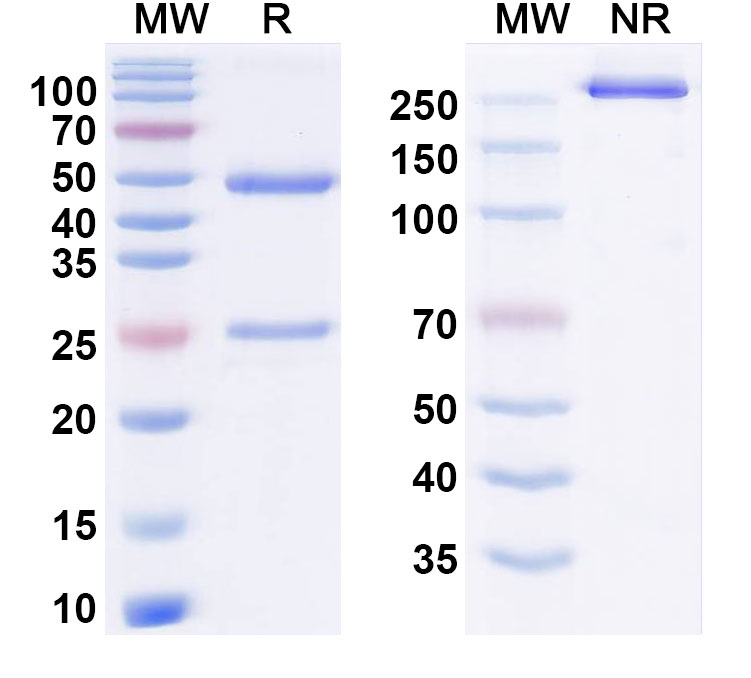
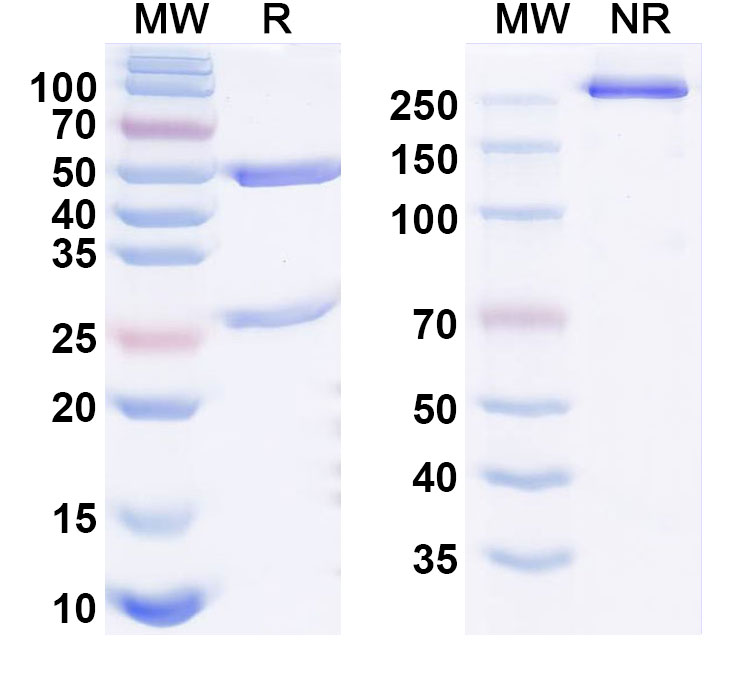
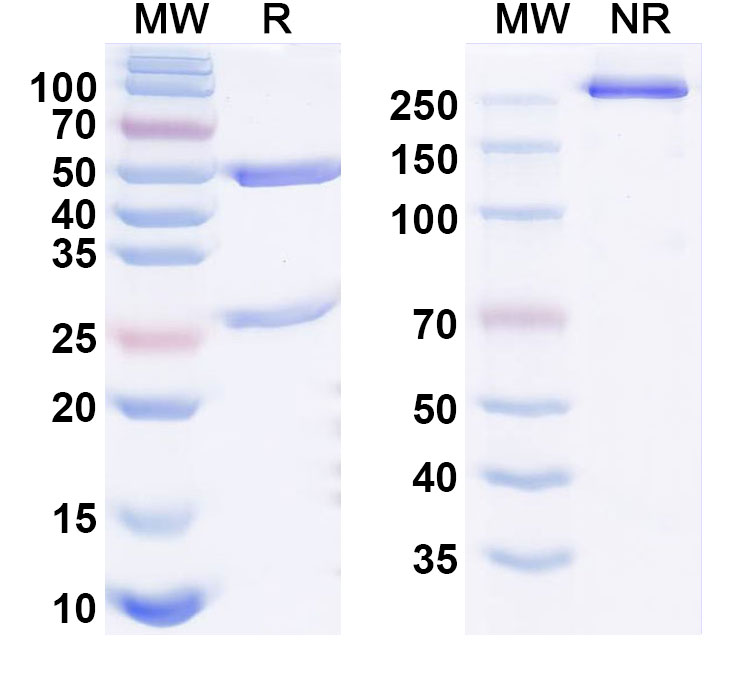
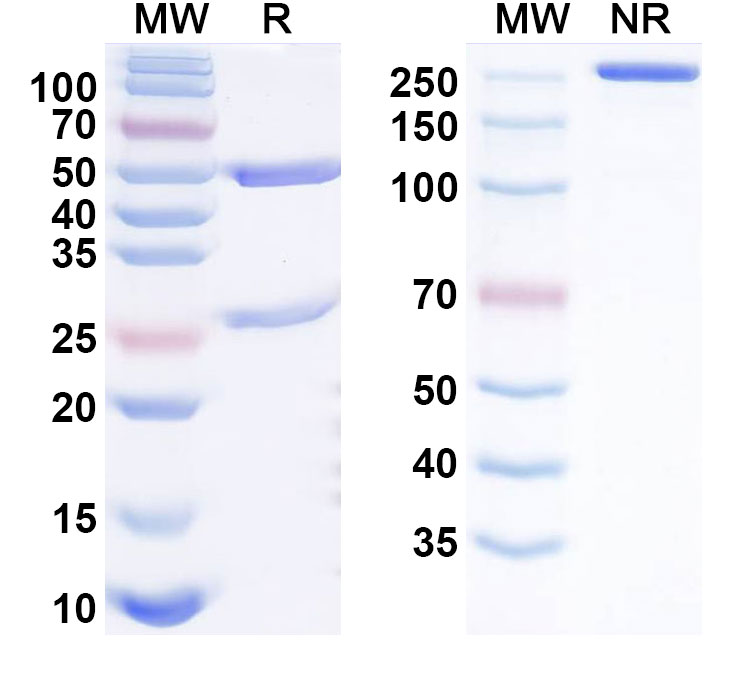
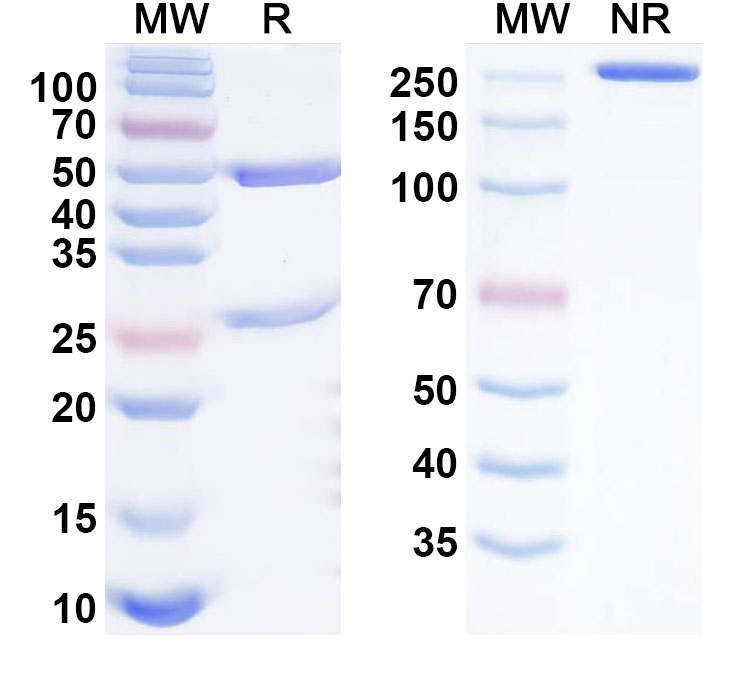
Naxitamab Biosimilar – Research Grade is a biosimilar of the FDA-approved monoclonal antibody, Naxitamab. It is a chimeric antibody, meaning it is composed of both human and mouse components. The antibody has a molecular weight of approximately 150 kDa and is composed of two heavy chains and two light chains. The variable regions of the antibody are derived from mouse antibodies, while the constant regions are of human origin. This unique structure allows for specific binding to GD2, making it a highly effective therapeutic agent.
Activity of Naxitamab Biosimilar – Research Grade
The primary mechanism of action of Naxitamab Biosimilar – Research Grade is its ability to bind to GD2 on the surface of cancer cells. This binding triggers a series of events that ultimately leads to the destruction of cancer cells. Naxitamab Biosimilar – Research Grade can also induce antibody-dependent cell-mediated cytotoxicity (ADCC), where immune cells, such as natural killer cells, are activated to attack and kill cancer cells. Additionally, the antibody can also induce complement-dependent cytotoxicity (CDC), where the complement system is activated to destroy cancer cells. These mechanisms make Naxitamab Biosimilar – Research Grade a potent and versatile therapeutic agent for cancer treatment.
Applications of Naxitamab Biosimilar – Research Grade
Naxitamab Biosimilar – Research Grade has shown promising results in preclinical and clinical studies for the treatment of various types of cancer, including neuroblastoma, melanoma, and small cell lung cancer. Neuroblastoma is a type of cancer that primarily affects children and is characterized by the overexpression of GD2. Naxitamab Biosimilar – Research Grade has shown significant anti-tumor activity in neuroblastoma cell lines and has been granted orphan drug designation by the FDA for this indication.
In addition to neuroblastoma, Naxitamab Biosimilar – Research Grade has also shown efficacy in treating melanoma, a type of skin cancer that is known to express high levels of GD2. In a phase II clinical trial, Naxitamab Biosimilar – Research Grade showed a 50% response rate in patients with melanoma, demonstrating its potential as a treatment option for this aggressive cancer.
Small cell lung cancer (SCLC) is another type of cancer that has shown promising results with Naxitamab Biosimilar – Research Grade treatment. In a phase I/II clinical trial, Naxitamab Biosimilar – Research Grade was found to be well-tolerated and showed promising anti-tumor activity in patients with SCLC.
Conclusion
In conclusion, Naxitamab Biosimilar – Research Grade is a promising therapeutic target for the treatment of various types of cancer. Its unique structure and mechanisms of action make it a potent and versatile agent for targeting GD2-expressing cancer cells. With ongoing clinical trials and potential FDA approval, Naxitamab Biosimilar – Research Grade has the potential to become a valuable addition to the arsenal of cancer treatments available.

There are no reviews yet.