The Structure of Rabies Virus Matrix Protein (M)
Rabies virus (RABV) is a highly infectious virus that causes acute encephalitis in mammals. The virus is transmitted through the bite of an infected animal, with dogs being the main source of transmission to humans. The matrix protein (M) is a crucial component of the RABV structure, playing a key role in viral assembly and budding. The M protein is also a potential therapeutic target for the development of antiviral treatments. In this article, we will delve into the structure, activity, and applications of the RABV M protein and its detection through the use of an ELISA kit.
The Structure of RABV M Protein
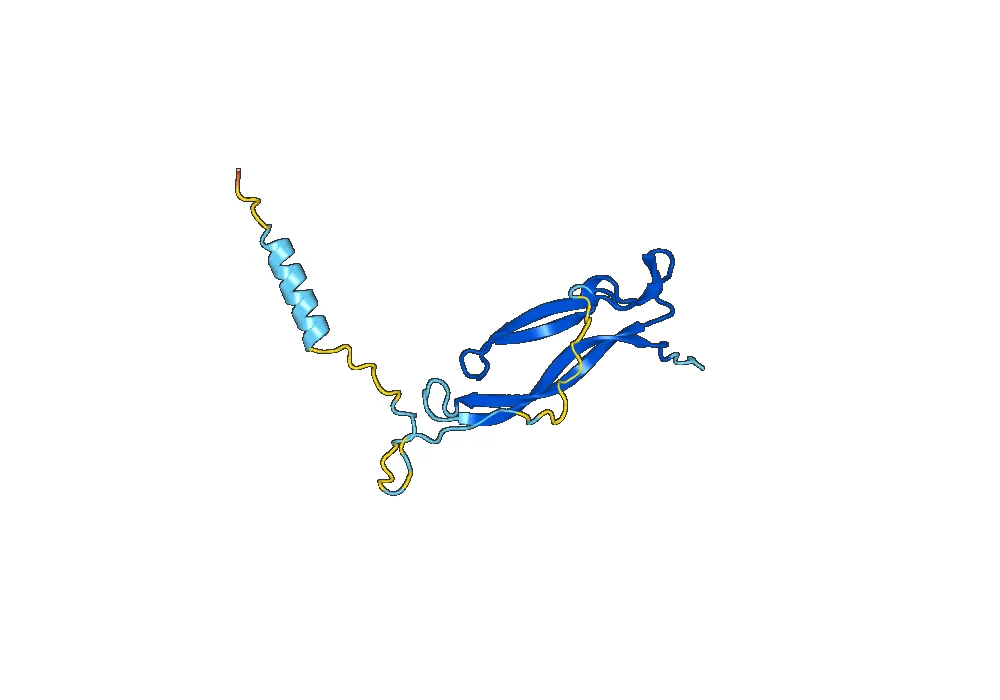
The RABV M protein is a small, multifunctional protein with a molecular weight of approximately 25 kDa. It is composed of 228 amino acids and is highly conserved among different RABV strains. The M protein is located between the viral envelope and the ribonucleoprotein complex, and it plays a crucial role in the assembly and budding of the virus. It is also involved in the transport of viral components to the plasma membrane for viral particle assembly.
The M protein has a globular structure with two distinct domains: the N-terminal domain and the C-terminal domain. The N-terminal domain is rich in basic amino acids and is responsible for the binding of the M protein to the viral RNA. The C-terminal domain contains a hydrophobic region that anchors the M protein to the viral envelope. This domain also contains a conserved motif that is essential for the interaction with other viral proteins during assembly and budding.
The Activity of RABV M Protein
The M protein plays a crucial role in the replication cycle of RABV. It is involved in the packaging of the viral RNA into new virions, which is essential for the propagation of the virus. The M protein also interacts with the viral glycoprotein (G) and the nucleoprotein (N) to form the viral ribonucleoprotein complex, which is necessary for viral assembly. Additionally, the M protein is involved in the budding process, where it interacts with the host cell membrane to facilitate the release of new viral particles.
Therapeutic Target and Research Use
The M protein is a potential therapeutic target for the development of antiviral treatments against RABV. Due to its essential role in viral assembly and budding, targeting the M protein can disrupt the replication cycle of the virus and prevent its spread. Research on the M protein has led to the development of M-specific monoclonal antibodies, which have shown promising results in inhibiting RABV infection in animal models.
The RABV M protein is also widely used in research to study the virus and its pathogenesis. It is a key component in the development of diagnostic tools, such as ELISA kits, for the detection of RABV. These kits utilize the M protein as the antigen to detect the presence of RABV-specific antibodies in serum samples. The M protein is also used in the development of vaccines, as it is a highly immunogenic protein that can induce a strong immune response.
Applications of RABV M Protein ELISA Kit
The RABV M protein ELISA kit is a highly sensitive and specific tool for the detection of RABV-specific antibodies in serum samples. It utilizes the M protein as the antigen, which is immobilized on a microplate. The serum samples are then added to the microplate, and any RABV-specific antibodies present will bind to the M protein. After washing, a secondary antibody conjugated to an enzyme is added, which will bind to the RABV-specific antibodies. The addition of a substrate will produce a color change, indicating the presence of RABV-specific antibodies in the sample.
In addition to diagnostic purposes, the RABV M protein ELISA kit can also be used for research purposes to study the immune response to RABV infection. It can be used to determine the prevalence of RABV infection in different

There are no reviews yet.