Introduction
Recombinant Human ACVRL1/ALK-1 Protein, also known as Activin Receptor-Like Kinase 1, is a type I receptor for the transforming growth factor-beta (TGF-β) superfamily of proteins. It is encoded by the ACVRL1 gene and is a member of the bone morphogenetic protein (BMP) signaling pathway. This protein plays a crucial role in regulating cellular differentiation and growth, and it has been implicated in various diseases such as hereditary hemorrhagic telangiectasia (HHT) and pulmonary arterial hypertension (PAH).
Structure
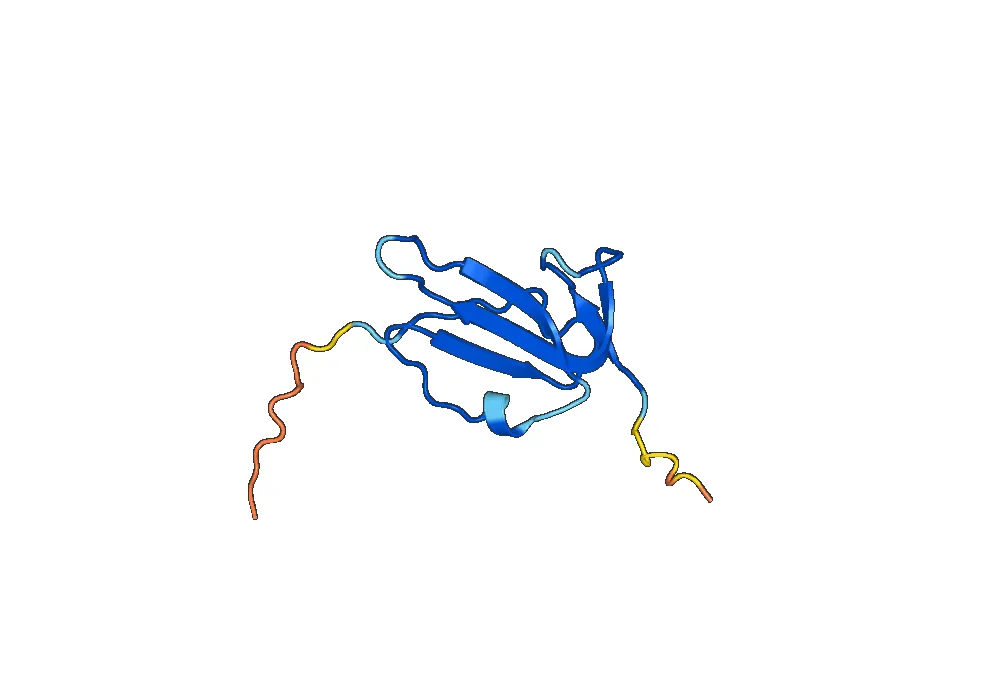
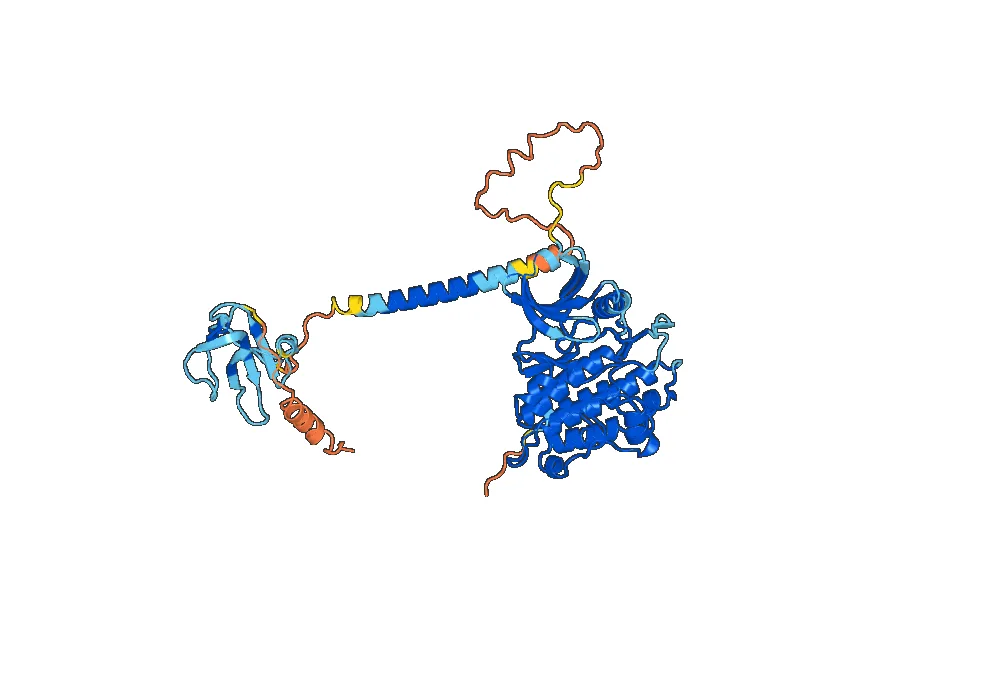
The ACVRL1 protein is a transmembrane receptor with a molecular weight of approximately 60 kDa. It consists of a large extracellular domain, a single transmembrane domain, and a cytoplasmic serine/threonine kinase domain. The extracellular domain contains a highly conserved cysteine-rich region, which is responsible for ligand binding, and a glycine-serine-rich domain, which is important for receptor dimerization. The intracellular kinase domain is responsible for downstream signaling and is activated upon ligand binding.
Activity
The main function of ACVRL1 is to transduce signals from TGF-β superfamily ligands, such as BMPs, activins, and growth and differentiation factors (GDFs), to the nucleus. Upon ligand binding, the receptor dimerizes and activates the intracellular kinase domain, which then phosphorylates downstream signaling molecules, such as Smad proteins. These activated Smad proteins then translocate to the nucleus and regulate the expression of target genes involved in cell proliferation, differentiation, and apoptosis.
In addition to its role in TGF-β signaling, ACVRL1 is also involved in the regulation of angiogenesis, the process of forming new blood vessels from pre-existing ones. It has been shown to play a critical role in the development of blood vessels during embryogenesis, as well as in the maintenance of vascular homeostasis in adults. Dysregulation of ACVRL1 activity has been linked to diseases such as HHT and PAH, which are characterized by abnormal blood vessel formation and function.
Application
Recombinant Human ACVRL1/ALK-1 Protein has a wide range of applications in both research and clinical settings. One of the main applications is in the study of TGF-β signaling and its role in various cellular processes. Researchers can use the recombinant protein to investigate the mechanisms of ACVRL1 activation and downstream signaling, as well as its interactions with other signaling pathways.
In addition, the recombinant protein can be used as an antigen for the development of antibodies and other tools for the detection and quantification of ACVRL1 in biological samples. These tools are essential for understanding the role of ACVRL1 in disease progression and for the diagnosis and monitoring of diseases such as HHT and PAH.
Furthermore, the therapeutic potential of ACVRL1 has been explored in various preclinical and clinical studies. Recombinant Human ACVRL1/ALK-1 Protein can be used in the development of novel therapies for diseases associated with dysregulated TGF-β signaling, such as cancer, fibrosis, and cardiovascular diseases. It can also be used in the development of gene and cell therapies for HHT and PAH, as well as in the production of recombinant ACVRL1-based vaccines for these diseases.
Conclusion
In summary, Recombinant Human ACVRL1/ALK-1 Protein is a crucial component of the TGF-β signaling pathway and plays a critical role in regulating cellular processes such as differentiation, growth, and angiogenesis. Its structure, activity, and applications have been extensively studied, and it has shown great potential as a therapeutic target for various diseases. Further research and development of this protein will continue to expand our understanding of its role in health and disease and pave the way for new therapeutic interventions.


There are no reviews yet.