Introduction
Recombinant proteins play a crucial role in various fields of biotechnology and medicine. One such protein is Recombinant Human CD233/SLC4A1, which has gained significant attention due to its diverse functions and potential applications. In this article, we will explore the structure, activity, and application of this protein in detail.
Structure of Recombinant Human CD233/SLC4A1
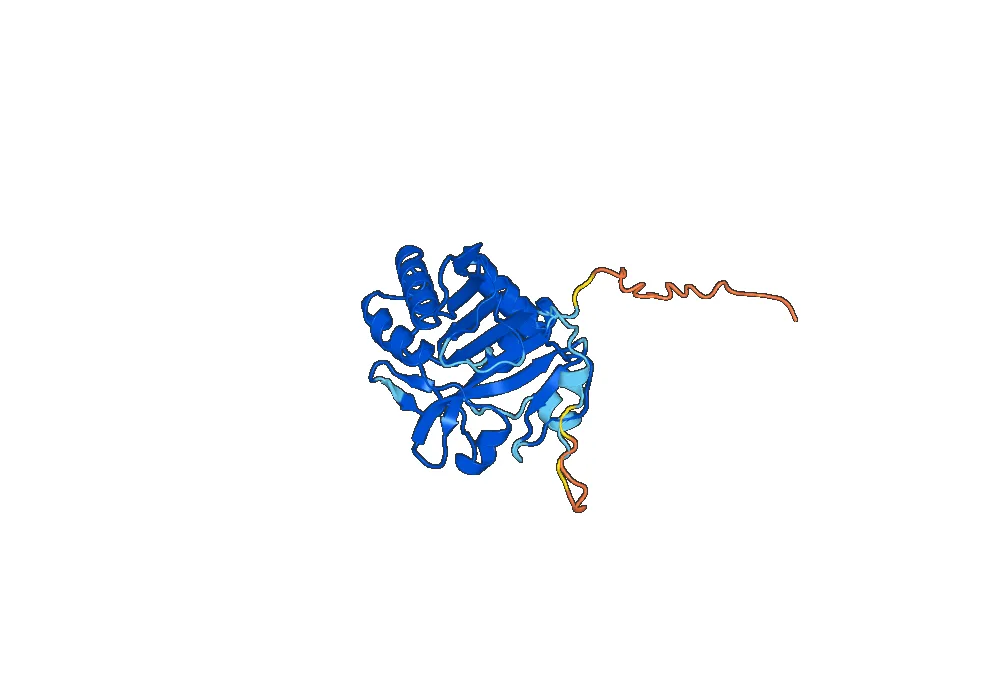
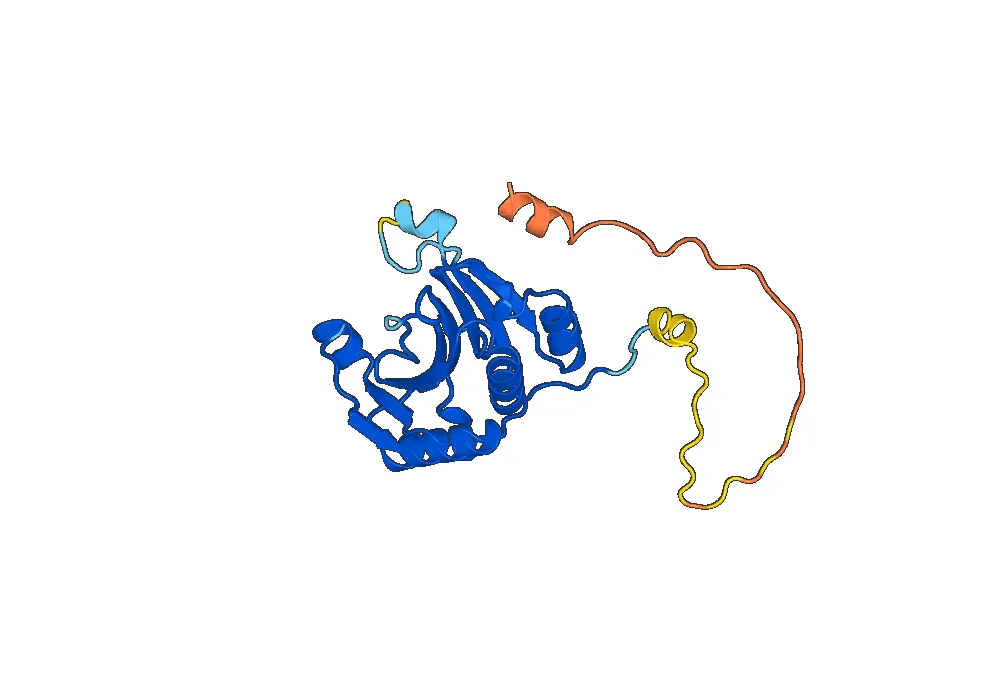
Recombinant Human CD233/SLC4A1, also known as Band 3 protein, is a transmembrane glycoprotein that belongs to the anion exchanger (AE) family. It is encoded by the SLC4A1 gene and is primarily expressed in red blood cells (RBCs) and kidney cells. The protein consists of 911 amino acids and has a molecular weight of approximately 100 kDa.
The structure of Recombinant Human CD233/SLC4A1 is composed of two major domains: the cytoplasmic domain and the transmembrane domain. The cytoplasmic domain contains binding sites for various cytoskeletal proteins, while the transmembrane domain is responsible for the transport of anions such as chloride, bicarbonate, and sulfate across the cell membrane.
Activity of Recombinant Human CD233/SLC4A1
The primary function of Recombinant Human CD233/SLC4A1 is to maintain the acid-base balance in the body by regulating the transport of anions across the cell membrane. It acts as an anion exchanger, exchanging bicarbonate ions for chloride ions in RBCs, thereby maintaining the pH of the blood. This process is essential for the proper functioning of various organs, including the kidneys, lungs, and brain.
In addition to its role in acid-base balance, Recombinant Human CD233/SLC4A1 also plays a crucial role in cell adhesion, cell signaling, and cell volume regulation. It interacts with various proteins and molecules, such as hemoglobin, carbonic anhydrase, and glycolytic enzymes, to carry out these functions.
Application of Recombinant Human CD233/SLC4A1
The unique structure and activity of Recombinant Human CD233/SLC4A1 make it a potential candidate for various applications in biotechnology and medicine.
Diagnostic Tool
Abnormalities in the SLC4A1 gene have been linked to various diseases, including hereditary spherocytosis, distal renal tubular acidosis, and hereditary elliptocytosis. Therefore, Recombinant Human CD233/SLC4A1 can be used as a diagnostic tool to detect these genetic disorders.
Therapeutic Agent
Recombinant Human CD233/SLC4A1 has also shown potential as a therapeutic agent for the treatment of diseases such as cystic fibrosis, sickle cell anemia, and hypertension. It can be used to correct the abnormal ion transport in these conditions, thereby improving the overall health of the patient.
Vaccine Development
Recombinant Human CD233/SLC4A1 has been identified as a potential antigen for vaccine development against malaria. Studies have shown that antibodies against this protein can inhibit the invasion of malaria parasites into RBCs, making it a promising target for vaccine development.
Conclusion
In conclusion, Recombinant Human CD233/SLC4A1 is a crucial protein with diverse functions and potential applications. Its unique structure and activity make it a valuable tool for diagnostic, therapeutic, and vaccine development purposes. Further research and studies on this protein



There are no reviews yet.