Introduction
Recombinant Human CELF2 Protein, also known as CUGBP Elav-like family member 2, is a protein that plays a crucial role in post-transcriptional regulation of gene expression. This protein is encoded by the CELF2 gene and is a member of the CELF/Bruno-like family of RNA-binding proteins. Recombinant Human CELF2 Protein is widely used in various research fields due to its diverse functions and potential therapeutic applications.
Structure of Recombinant Human CELF2 Protein
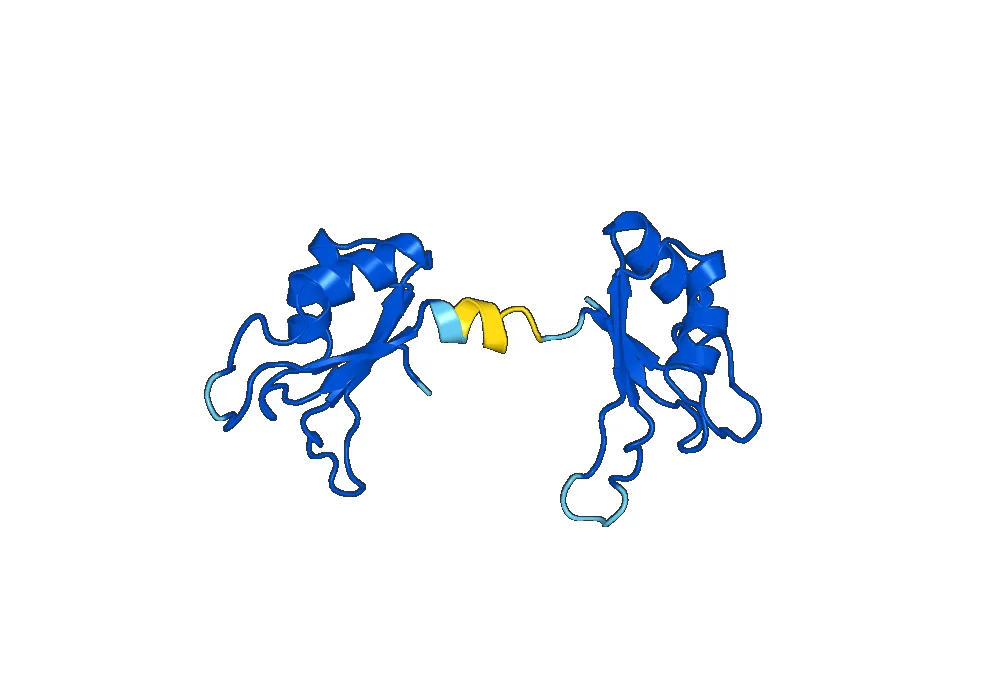
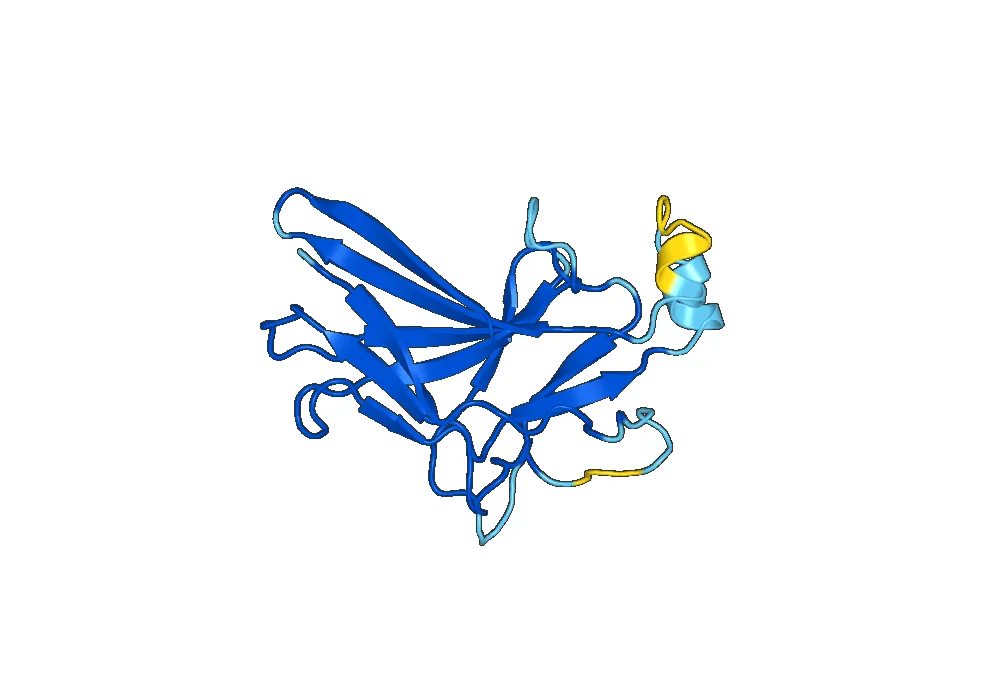
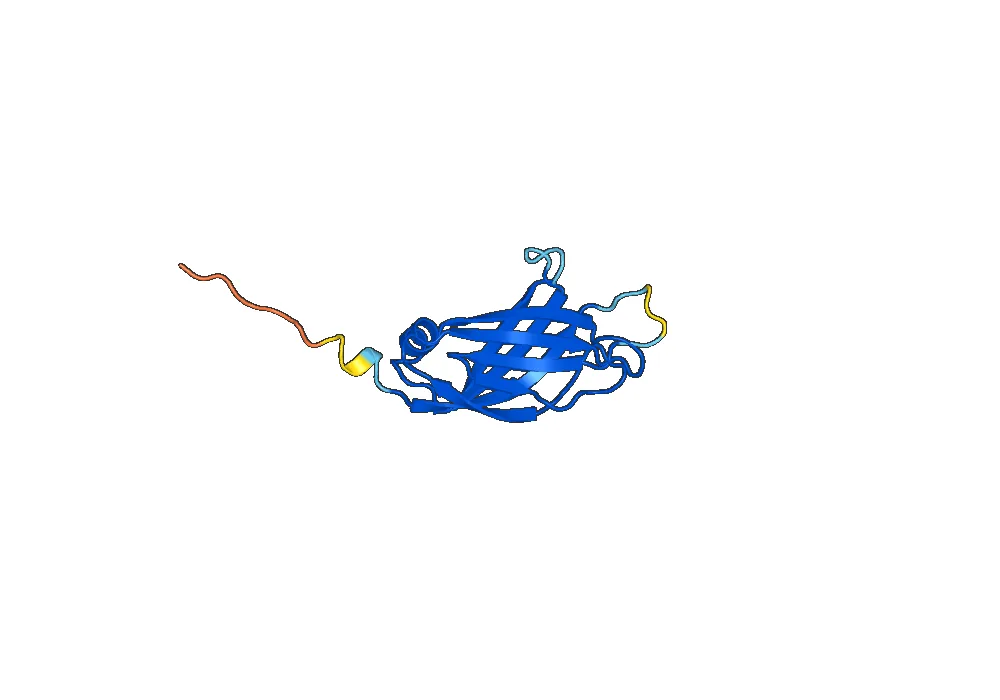
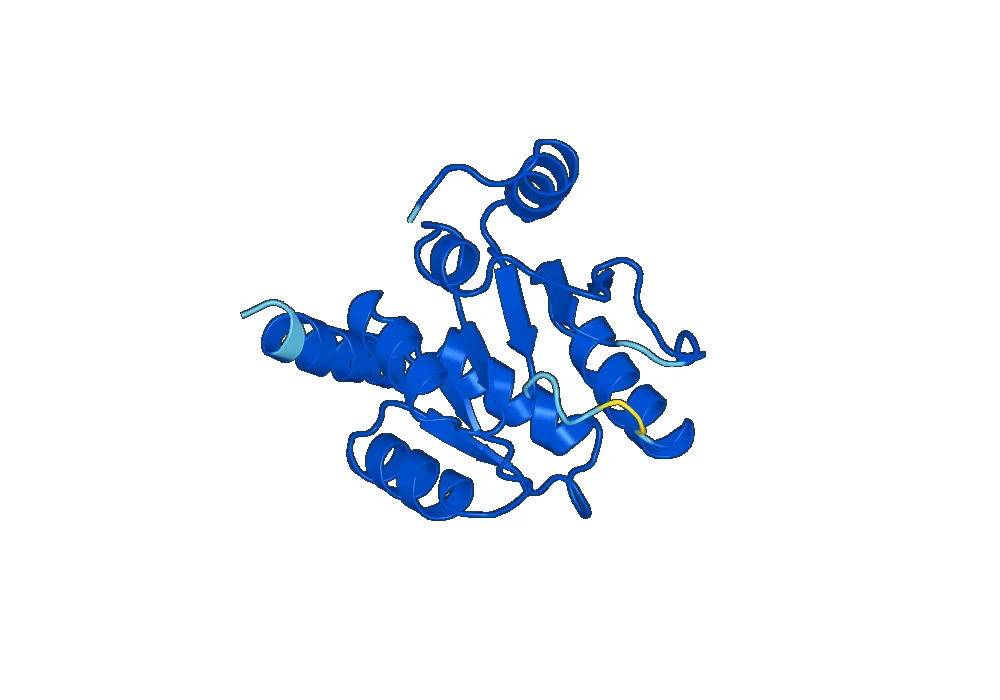
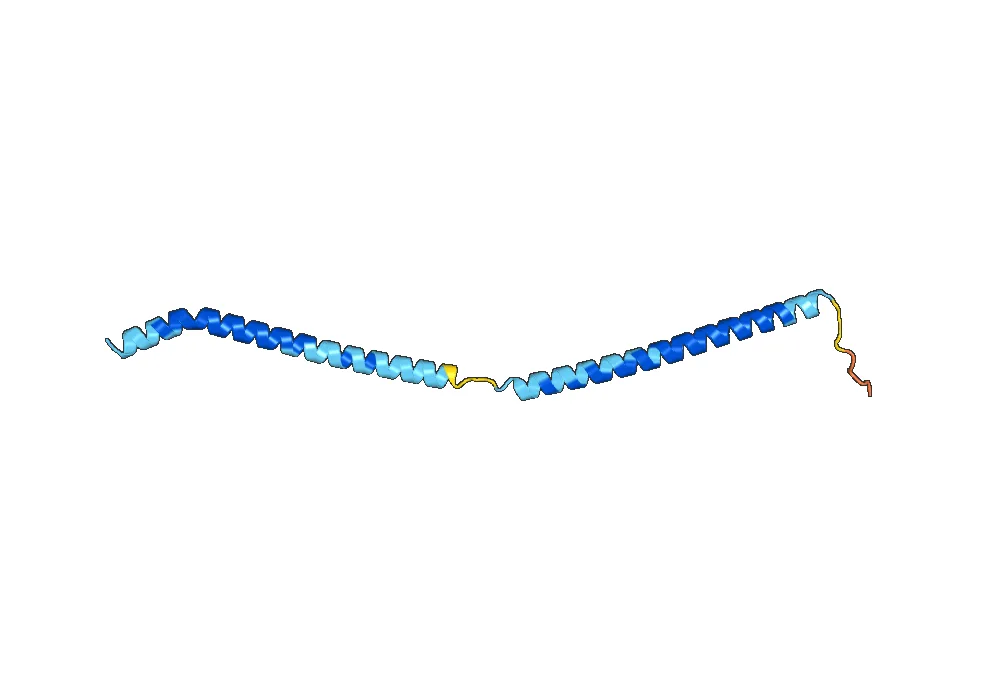
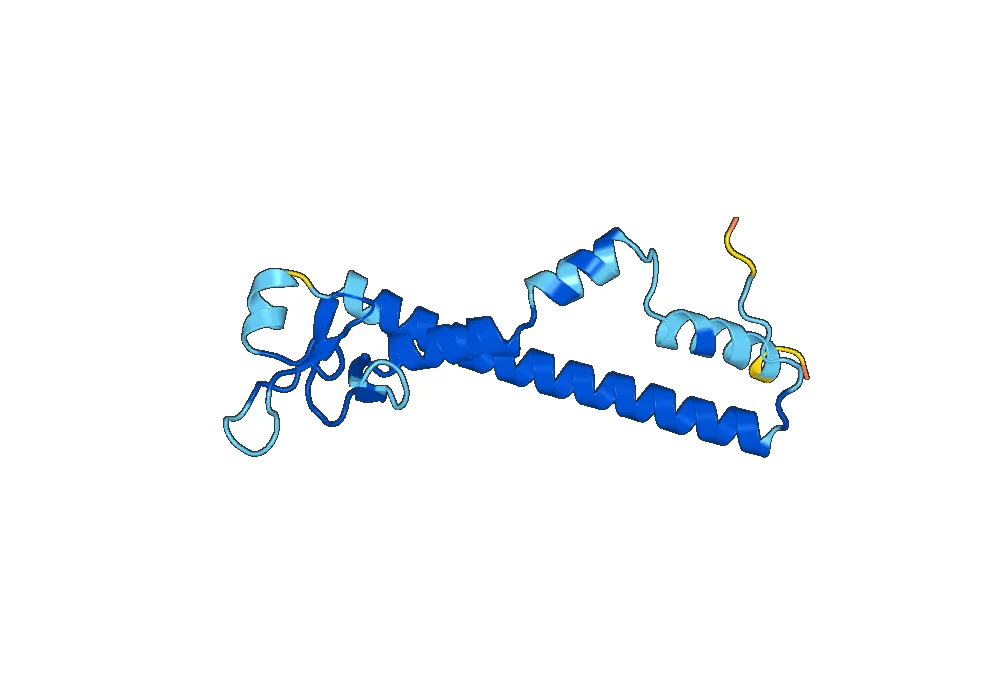
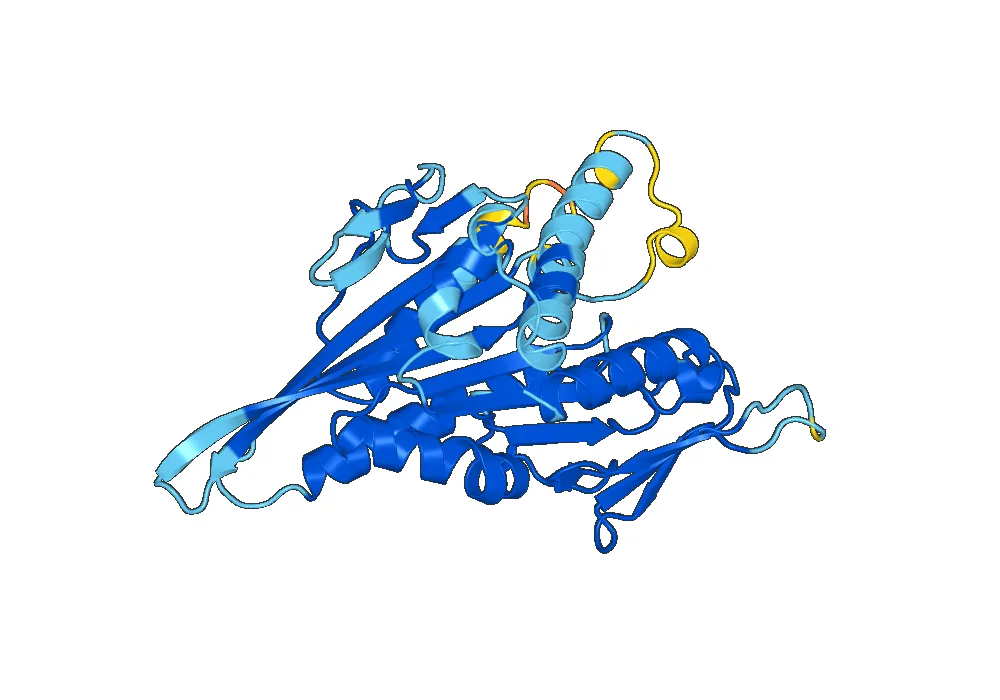
Recombinant Human CELF2 Protein is a 62 kDa protein with 534 amino acids. It contains three RNA recognition motifs (RRMs) and a nuclear localization sequence (NLS) at the N-terminus. The RRM domains enable the protein to bind to specific RNA sequences, while the NLS allows for its transport into the nucleus.
Activity of Recombinant Human CELF2 Protein
The main function of Recombinant Human CELF2 Protein is to regulate post-transcriptional gene expression. It does so by binding to specific RNA sequences and influencing their stability, splicing, and translation. This protein has been shown to interact with a wide range of RNA targets, including mRNAs, microRNAs, and long non-coding RNAs, and can modulate their expression levels.
Recombinant Human CELF2 Protein also plays a role in cell proliferation, differentiation, and apoptosis. It has been found to be involved in the regulation of immune response, muscle development, and neuronal activity. Furthermore, this protein has been linked to various diseases, such as cancer, cardiovascular disorders, and neurological disorders, highlighting its importance in maintaining cellular homeostasis.
Application of Recombinant Human CELF2 Protein
Due to its diverse functions, Recombinant Human CELF2 Protein has a wide range of applications in research and potential therapeutic uses. One of the main applications of this protein is in the study of post-transcriptional gene regulation. Its ability to bind to specific RNA sequences and regulate their expression makes it a valuable tool in understanding the mechanisms of gene expression and its dysregulation in various diseases.
Moreover, Recombinant Human CELF2 Protein has been used in the development of diagnostic and prognostic markers for diseases such as cancer. Its altered expression levels have been linked to various types of cancer, making it a potential biomarker for early detection and monitoring of the disease.
Another potential application of Recombinant Human CELF2 Protein is in the development of therapeutics. Its involvement in various diseases and its ability to regulate gene expression make it a potential target for drug development. By targeting this protein, it may be possible to modulate the expression of specific genes and treat diseases at the molecular level.
Conclusion
In conclusion, Recombinant Human CELF2 Protein is a crucial protein involved in post-transcriptional gene regulation and plays a role in various cellular processes. Its structure, activity, and potential applications make it a valuable tool in research and a potential target for therapeutics. Further studies on this protein may lead to a better understanding of its functions and potential uses in the prevention and treatment of diseases.


There are no reviews yet.