Introduction to Recombinant Human CPEB1
Recombinant human CPEB1 (Cytoplasmic Polyadenylation Element Binding protein 1) is a protein that plays a crucial role in regulating gene expression in eukaryotic cells. It is a member of the CPEB family of proteins and is encoded by the CPEB1 gene located on chromosome 15 in humans. CPEB1 is primarily found in the cytoplasm and is involved in the process of cytoplasmic polyadenylation, which is essential for the translation of specific mRNAs. In this article, we will discuss the structure, activity, and applications of recombinant human CPEB1.
Structure of Recombinant Human CPEB1
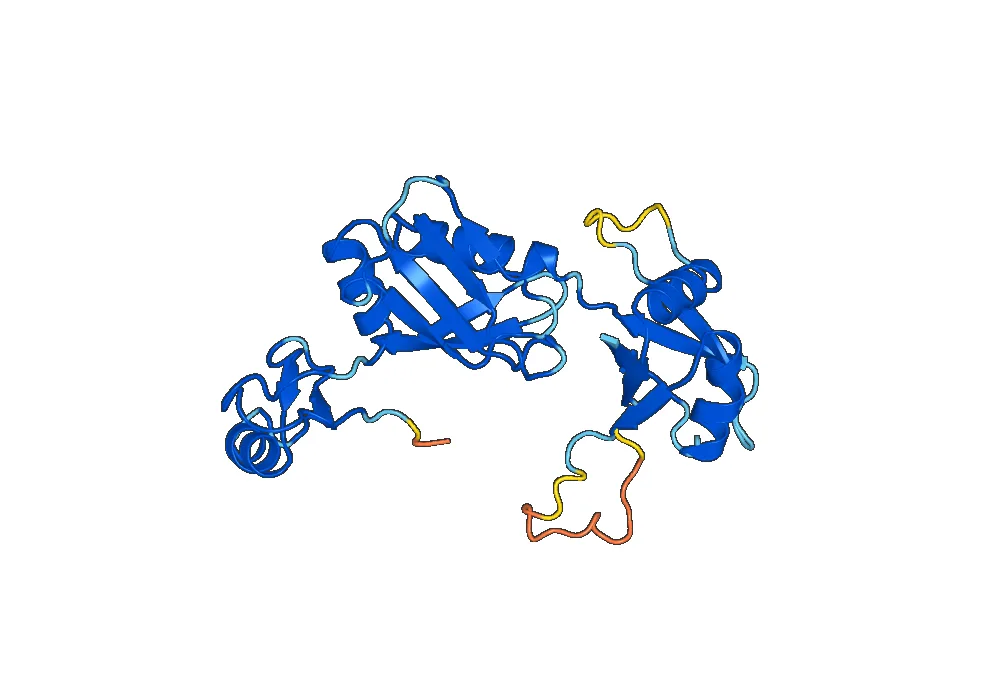
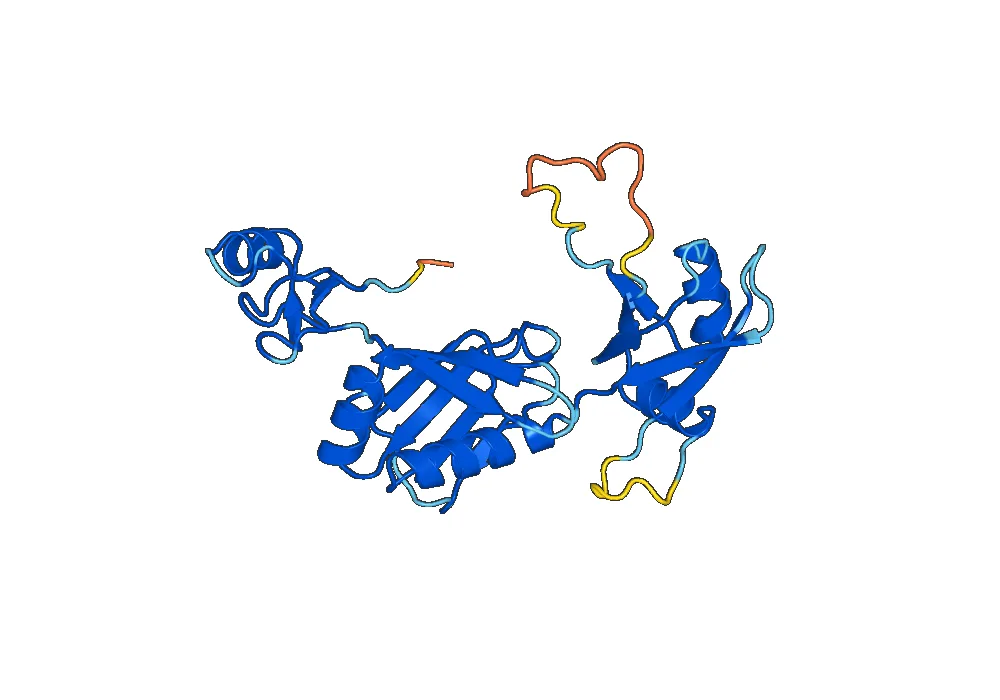
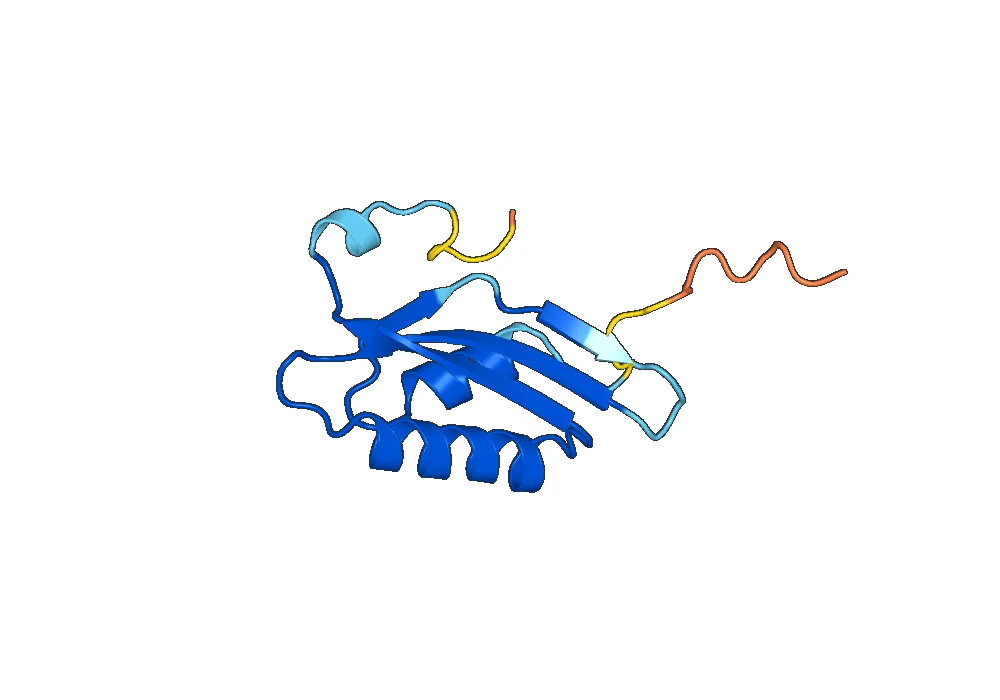
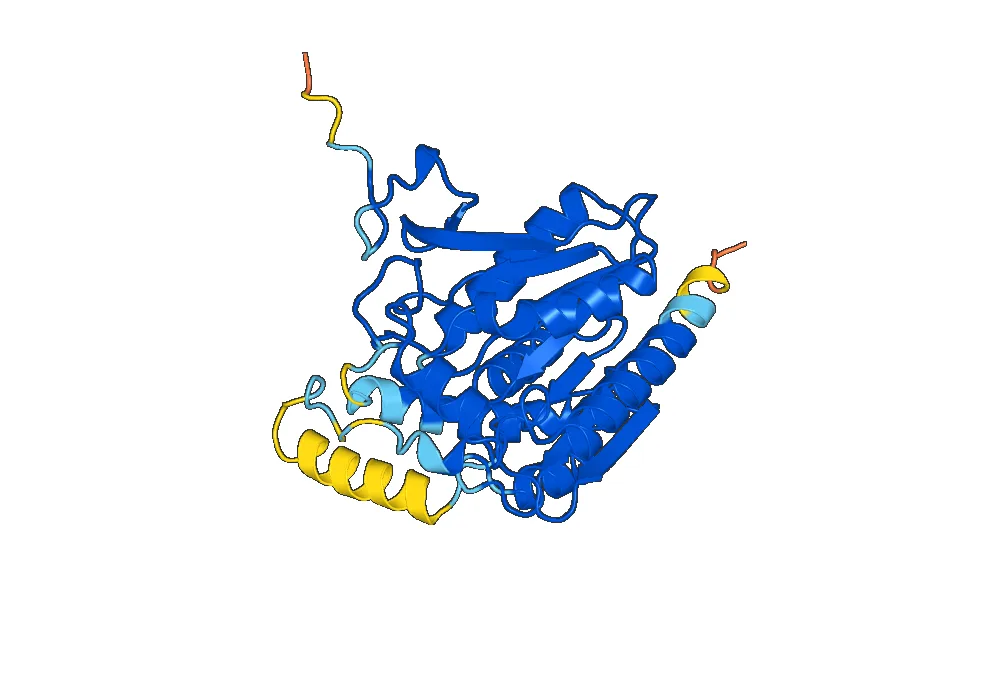
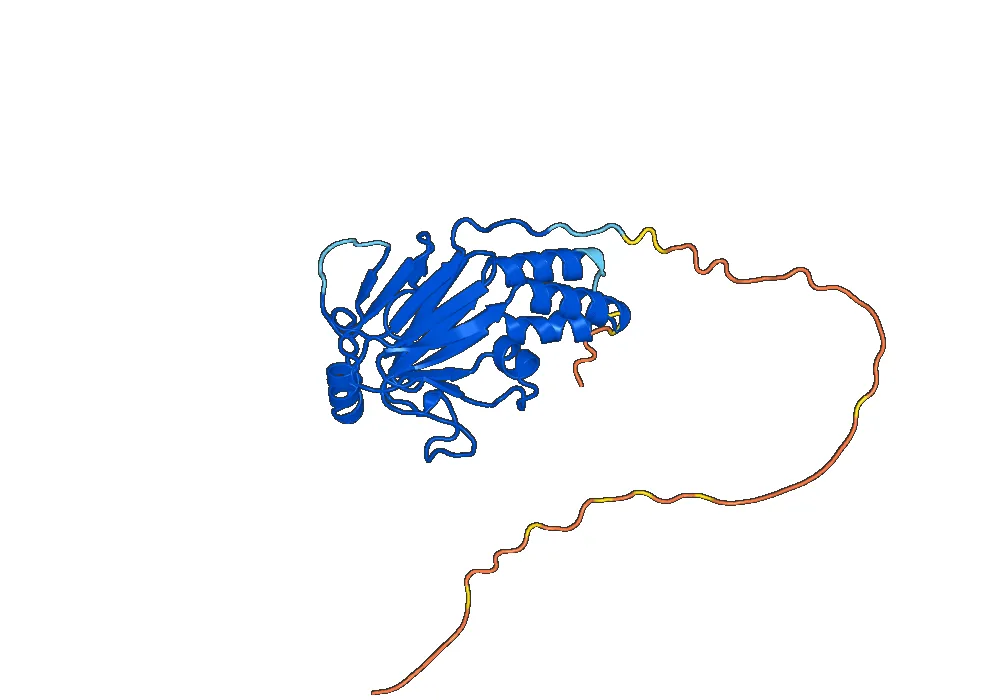
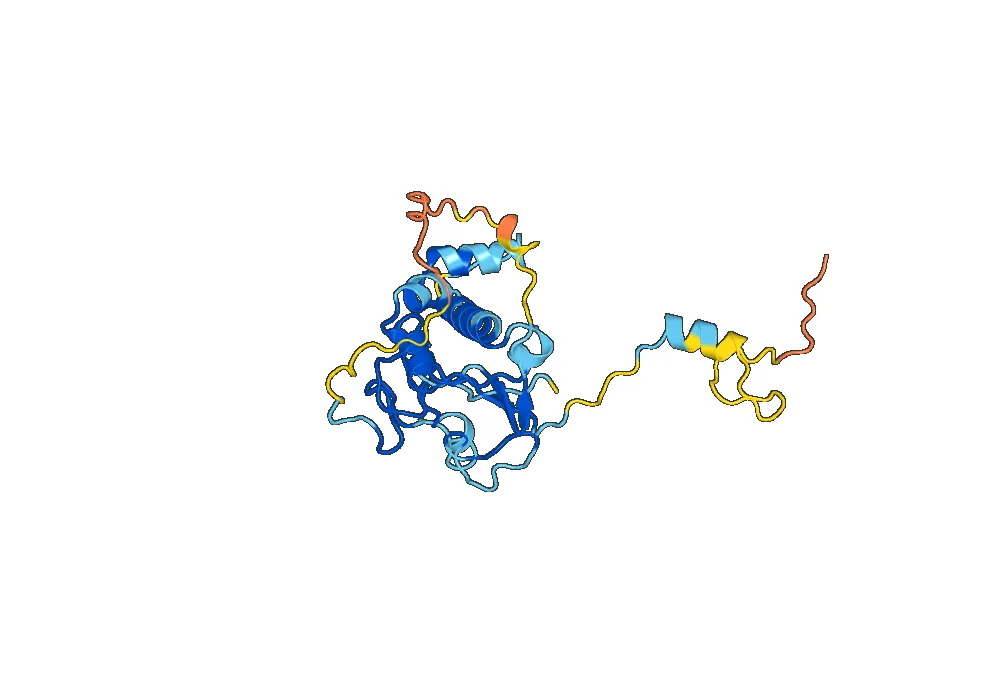
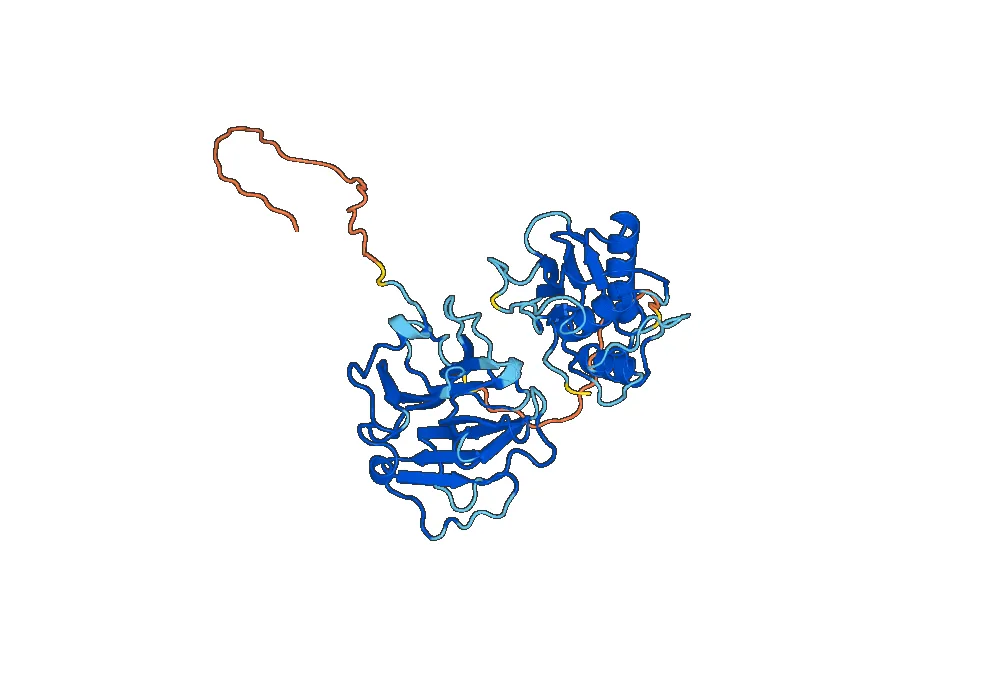
Recombinant human CPEB1 is a 62 kDa protein consisting of 567 amino acids. It contains three main domains: an N-terminal RNA-binding domain, a central prion-like domain, and a C-terminal regulatory domain. The RNA-binding domain is responsible for binding to specific RNA sequences, while the prion-like domain is essential for the aggregation of CPEB1 into functional units. The regulatory domain contains multiple phosphorylation sites that regulate the activity of CPEB1.
Activity of Recombinant Human CPEB1
The primary function of recombinant human CPEB1 is to regulate the translation of specific mRNAs in the cytoplasm. It does so by binding to the cytoplasmic polyadenylation element (CPE) sequence located in the 3′ untranslated region (UTR) of target mRNAs. This binding promotes the elongation of the poly(A) tail, which is essential for the initiation of translation. CPEB1 also interacts with other proteins and factors involved in the translation process, such as eIF4E and PABP, to regulate translation efficiency.
Apart from its role in cytoplasmic polyadenylation, CPEB1 has also been implicated in other cellular processes. It has been shown to play a role in cell division, cell differentiation, and synaptic plasticity. Additionally, CPEB1 has been linked to various diseases, including cancer, neurodegenerative disorders, and viral infections, highlighting its importance in cellular homeostasis.
Applications of Recombinant Human CPEB1
Recombinant human CPEB1 has been widely used in research to study its role in regulating gene expression and its involvement in various cellular processes. It has also been used to investigate the potential therapeutic applications of targeting CPEB1 in diseases such as cancer and neurodegenerative disorders.
One of the major applications of recombinant human CPEB1 is in the development of diagnostic tools. CPEB1 has been identified as a potential biomarker for various cancers, including breast, prostate, and colon cancer. The detection of CPEB1 levels in patient samples can aid in the early diagnosis and monitoring of these cancers.
Moreover, recombinant human CPEB1 has also been utilized in drug discovery and development. As CPEB1 is involved in several diseases, targeting it with specific inhibitors or activators can provide potential therapeutic options. For instance, inhibiting CPEB1 activity has shown promising results in reducing tumor growth in breast cancer models.
In addition to its research and diagnostic applications, recombinant human CPEB1 has also been used in the biotechnology industry. It is produced using recombinant DNA technology, making it a valuable tool for studying the structure and function of CPEB1. It can also be used in the production of recombinant proteins and antigens for various applications, including drug development and vaccine production.
Conclusion
In summary, recombinant human CPEB1 is a crucial protein involved in regulating gene expression and various cellular processes. Its structure, activity, and applications have been extensively studied, highlighting its significance in cellular homeostasis and disease. With ongoing research and advancements in technology,
There are no reviews yet.