Introduction to Recombinant Human ELP3 Protein
Recombinant proteins have become an essential tool in various fields of research, diagnostics, and therapeutics due to their diverse range of applications. One such protein is the Recombinant Human ELP3 Protein, which has gained significant attention in recent years due to its unique structure and biological activity. In this article, we will explore the structure, activity, and applications of this protein in detail.
Structure of Recombinant Human ELP3 Protein
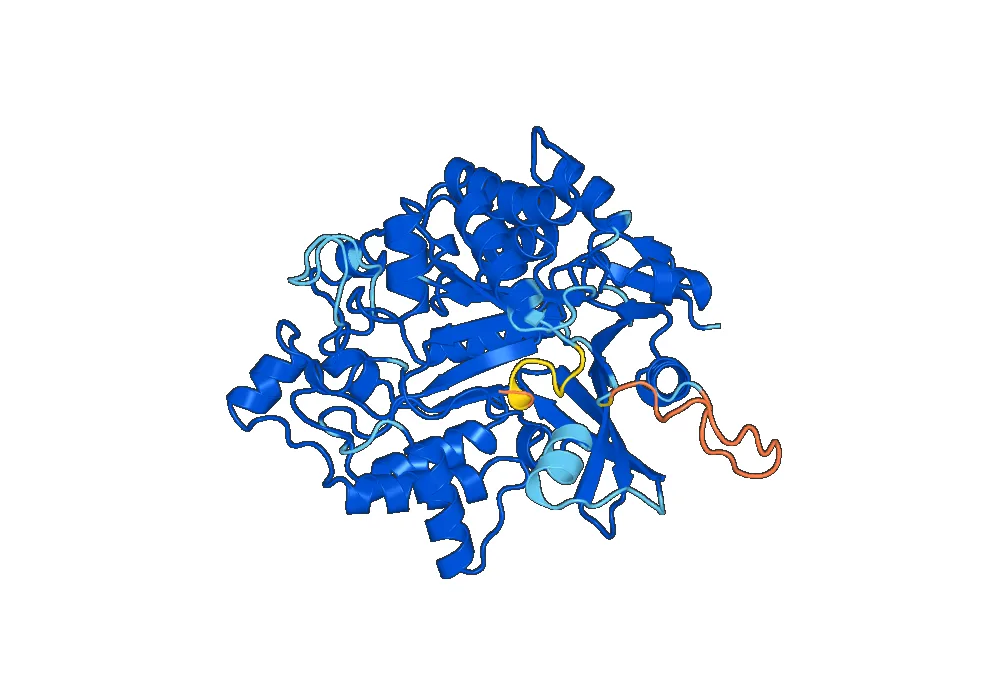
The Recombinant Human ELP3 Protein is a eukaryotic protein that is encoded by the ELP3 gene located on chromosome 18. It belongs to the Elongator complex, which is a highly conserved protein complex found in all eukaryotes. The Elongator complex is composed of six subunits, including ELP1-ELP6, with ELP3 being the catalytic subunit.
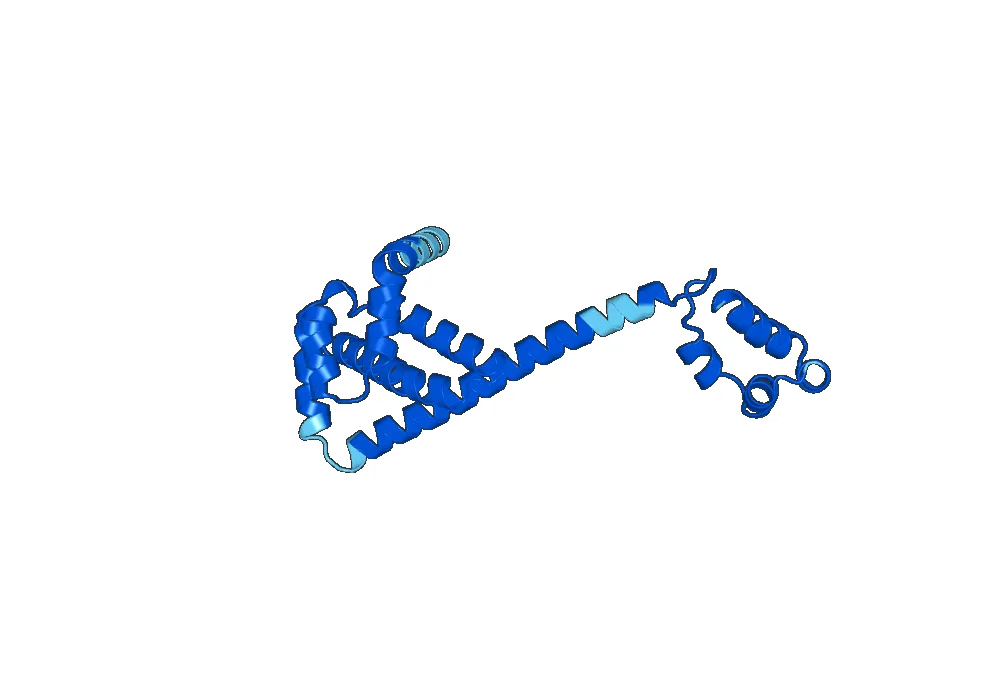
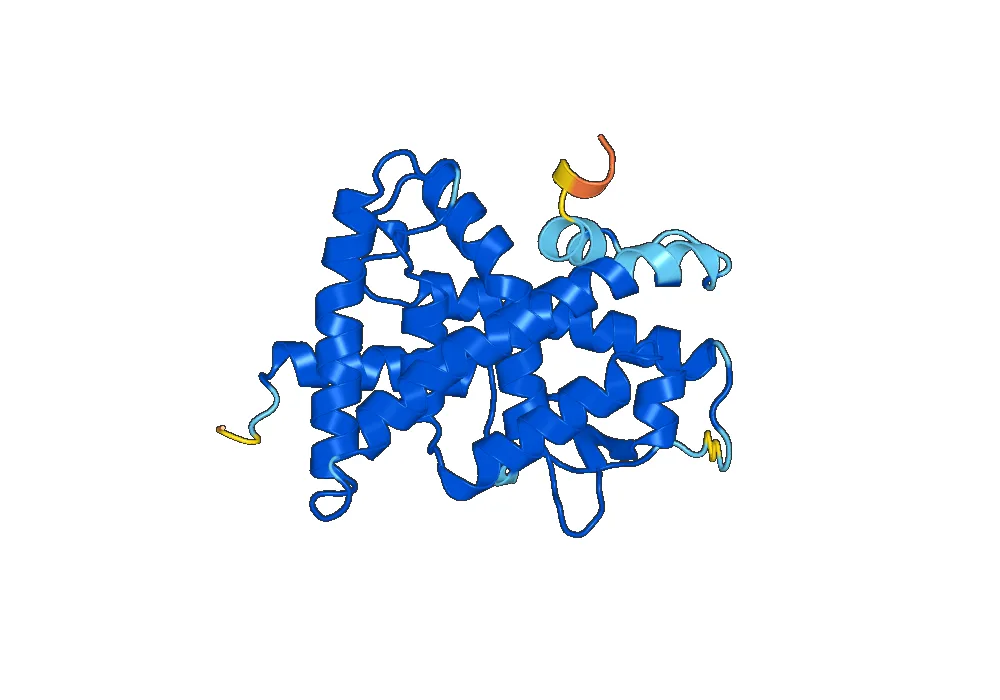
The Recombinant Human ELP3 Protein is a large protein with a molecular weight of approximately 140 kDa. It contains multiple domains, including a histone acetyltransferase (HAT) domain, a cysteine-rich domain, and a tRNA modification domain. These domains are responsible for the various biological activities of the protein.
Activity of Recombinant Human ELP3 Protein
The Recombinant Human ELP3 Protein has been found to have multiple activities, making it a versatile protein with numerous potential applications. One of its primary activities is its role in histone acetylation. The HAT domain of ELP3 is responsible for acetylating histones, which plays a crucial role in gene expression and regulation.
In addition to its role in histone acetylation, the Recombinant Human ELP3 Protein has also been found to be involved in tRNA modification. The tRNA modification domain of ELP3 is responsible for adding a specific modification, called 5-carboxymethylaminomethyl (cmnm5) to tRNAs. This modification is essential for accurate translation of the genetic code, and any defects in this process can lead to various diseases.
Moreover, the Recombinant Human ELP3 Protein has also been linked to cell cycle regulation and DNA damage response. Studies have shown that ELP3 is involved in the activation of the tumor suppressor p53, which plays a critical role in cell cycle regulation and DNA repair. This further highlights the diverse range of activities of this protein.
Applications of Recombinant Human ELP3 Protein
The unique structure and activities of the Recombinant Human ELP3 Protein make it a valuable tool in various fields of research and medicine. One of its primary applications is in the study of epigenetics and gene expression. The HAT activity of ELP3 makes it an essential protein in understanding the role of histone acetylation in gene regulation.
In addition, the Recombinant Human ELP3 Protein has also been studied for its potential therapeutic applications. Its role in tRNA modification and cell cycle regulation makes it a promising target for the treatment of various diseases, including cancer. Furthermore, mutations in the ELP3 gene have been linked to neurodevelopmental disorders, making it a potential target for the treatment of these conditions.
Moreover, the Recombinant Human ELP3 Protein has also been used in diagnostic assays for the detection of specific tRNA modifications. Its ability to add the cmnm5 modification to tRNAs makes it a valuable tool in identifying any defects in this process, which can be indicative of certain diseases.
Conclusion
In conclusion, the Recombinant Human ELP3 Protein is a unique and versatile protein with multiple activities and potential applications. Its role in histone acetylation, tRNA modification, and cell cycle regulation makes it a valuable tool in various fields of research and medicine. Further studies on this protein may uncover additional activities and potential therapeutic applications, making it an exciting area of research.


There are no reviews yet.