Introduction to Recombinant Human ESRP1 Protein
Recombinant Human ESRP1 Protein, also known as Epithelial Splicing Regulatory Protein 1, is a type of recombinant protein that plays a crucial role in regulating alternative splicing of pre-mRNA in various tissues. It is encoded by the ESRP1 gene and is highly conserved among different species, with 98% sequence identity between human and mouse.
Structure of Recombinant Human ESRP1 Protein
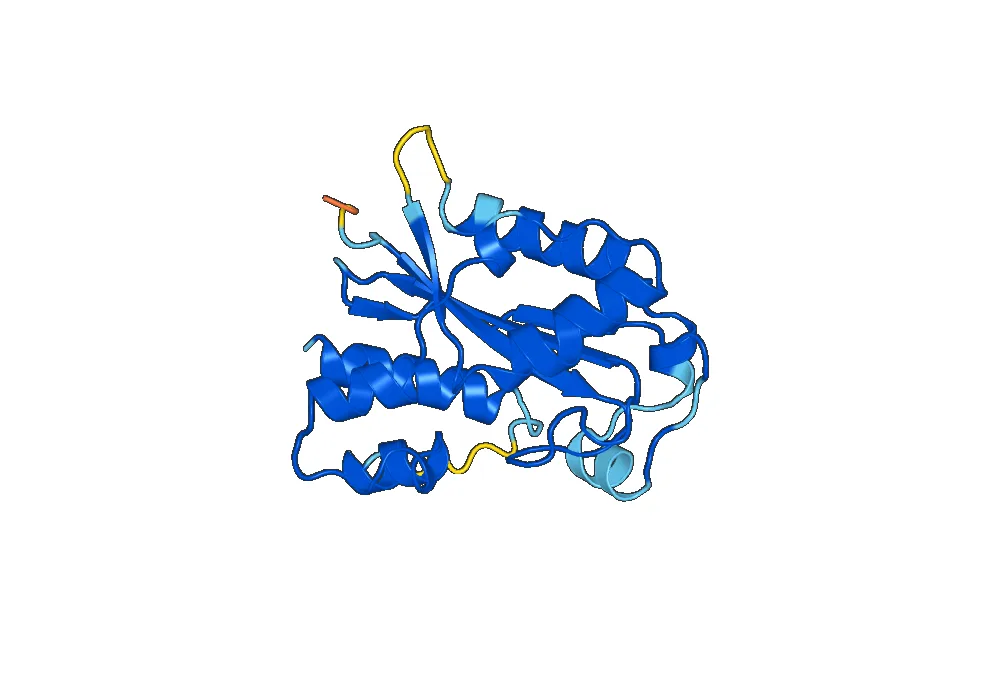
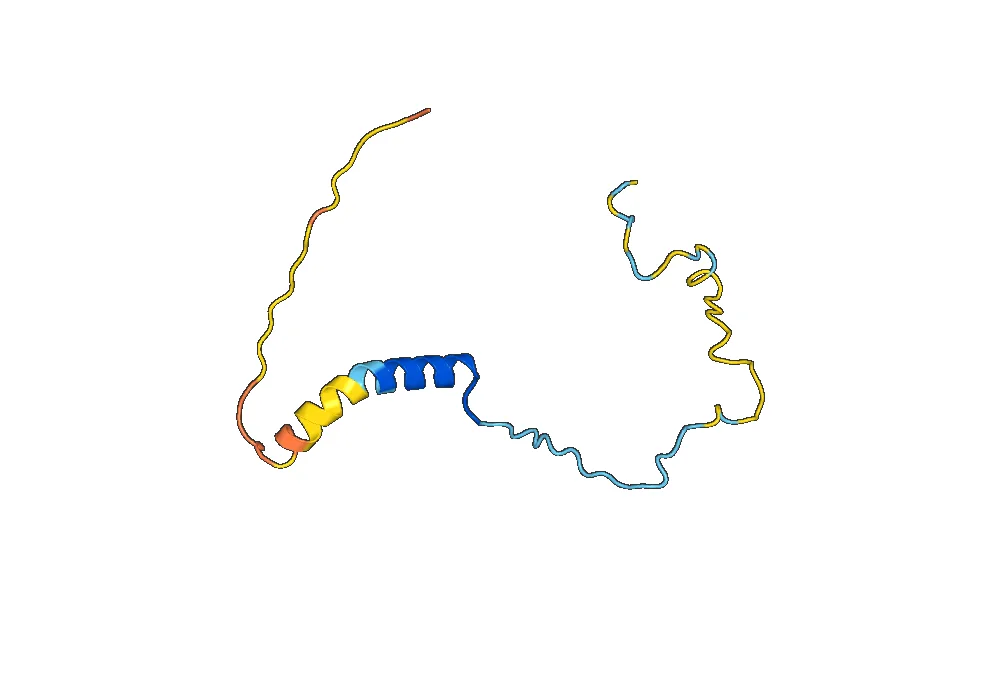
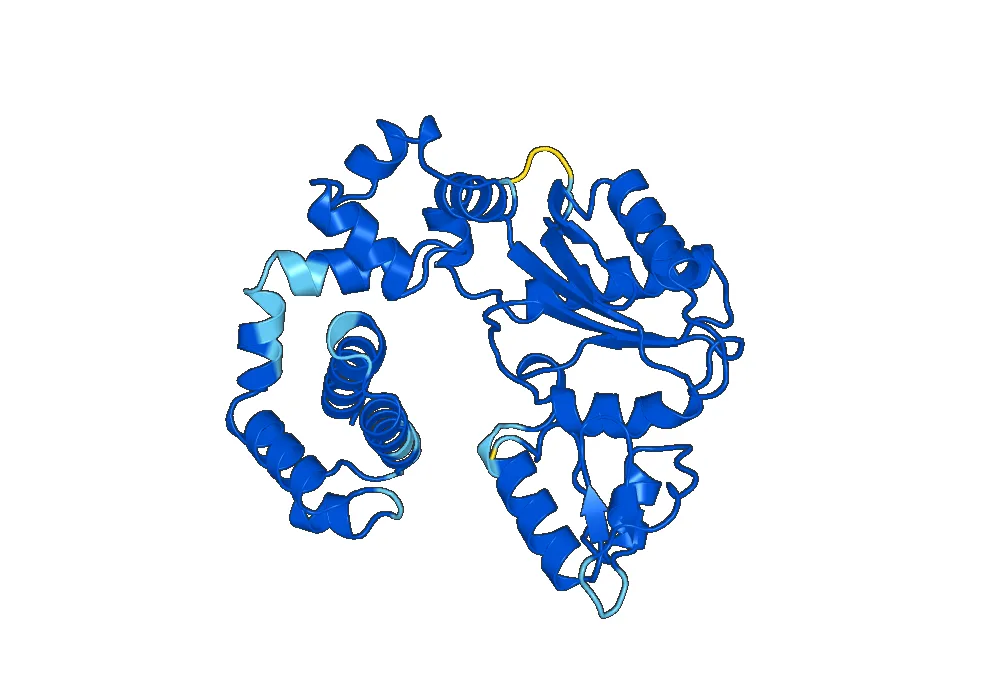
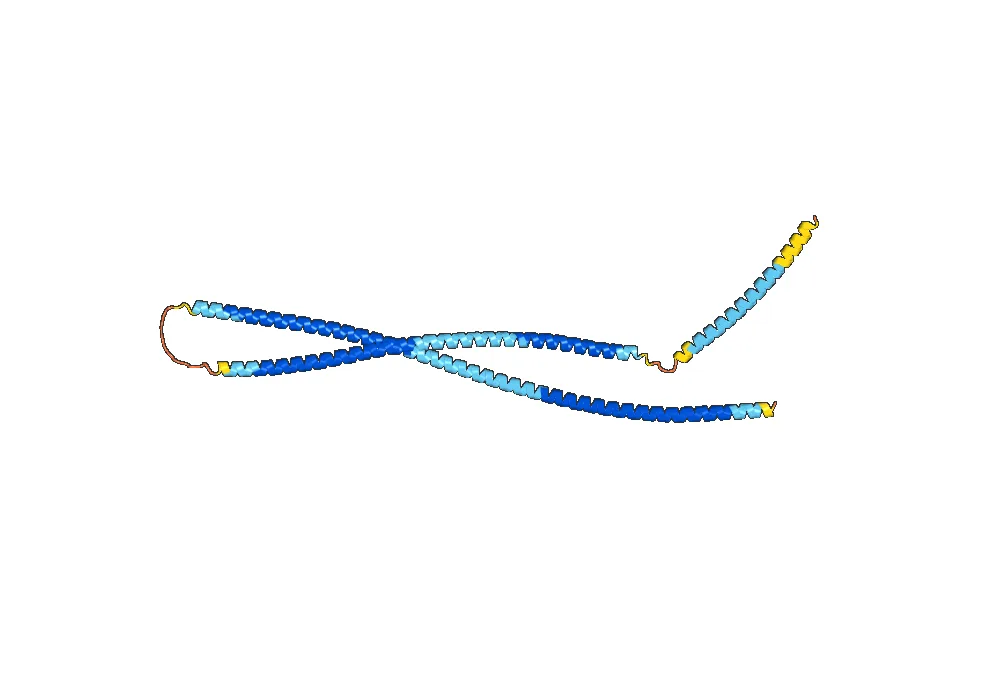
The recombinant human ESRP1 protein is composed of 576 amino acids and has a molecular weight of 62.8 kDa. It belongs to the RNA recognition motif (RRM) family and contains two RRM domains, which are responsible for binding to specific RNA sequences. It also has a proline-rich domain that interacts with other proteins involved in splicing regulation.
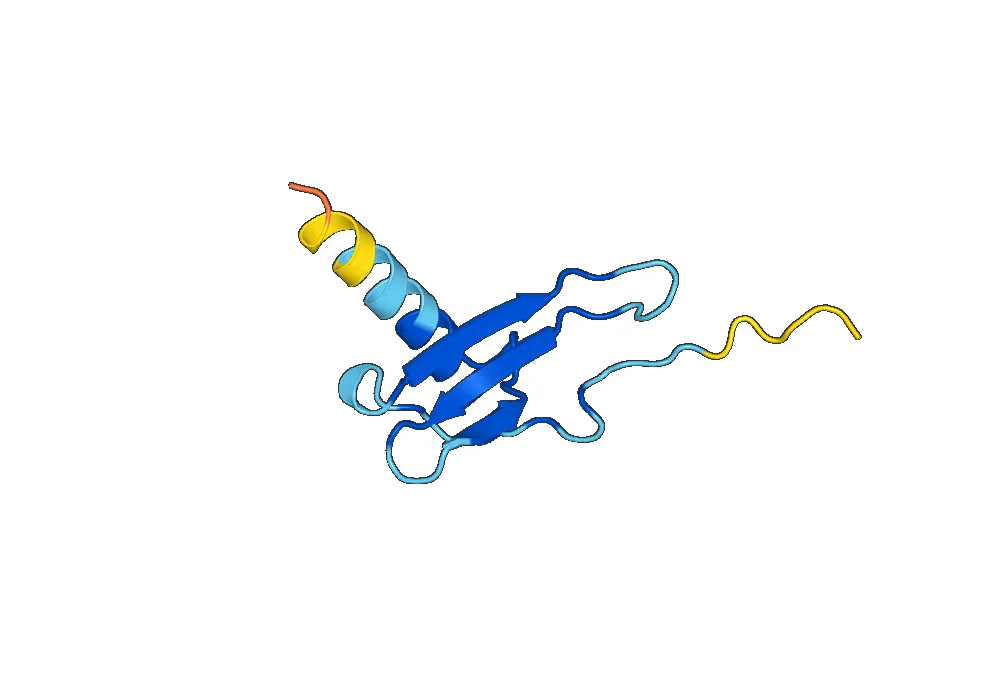
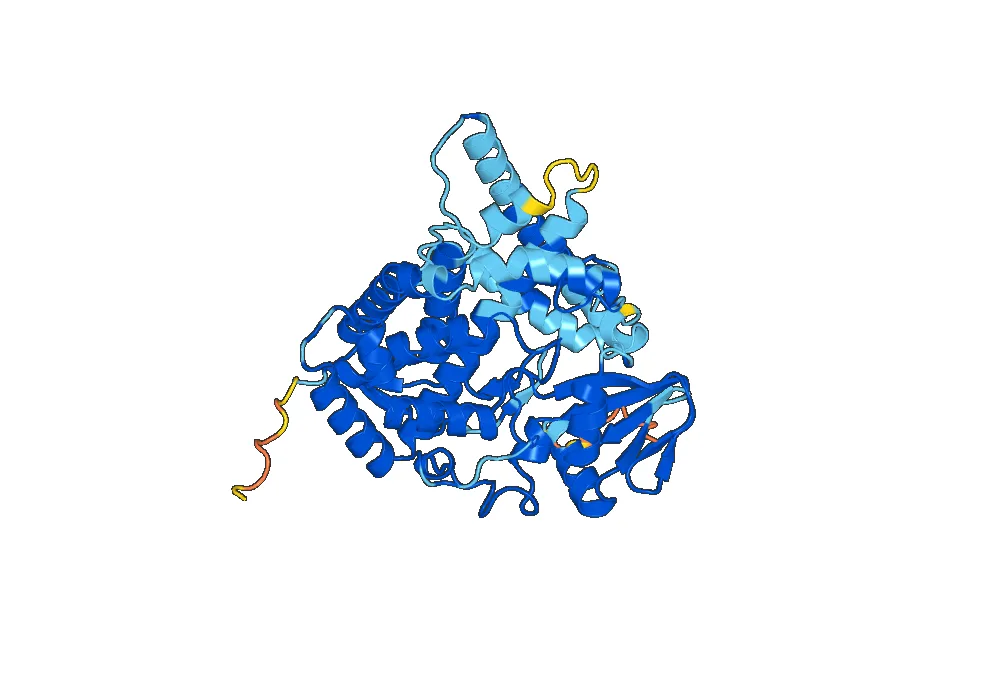
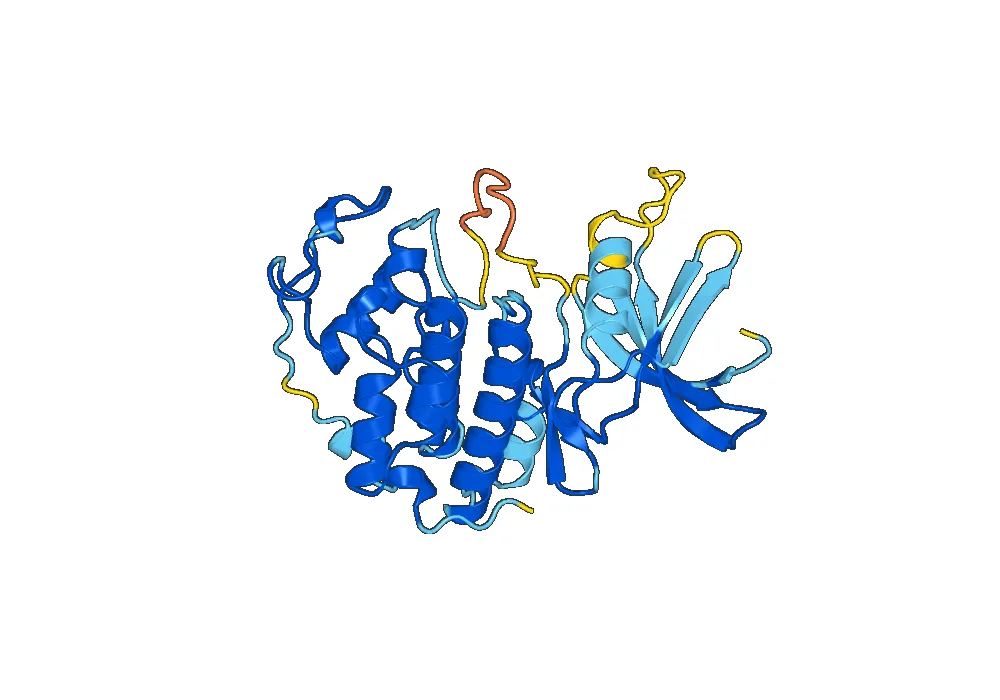
Structural studies have shown that the recombinant human ESRP1 protein adopts a compact and globular structure, with the two RRM domains positioned close to each other. This conformation allows for efficient binding to RNA targets and facilitates its regulatory function in alternative splicing.
Activity of Recombinant Human ESRP1 Protein
The main activity of recombinant human ESRP1 protein is the regulation of alternative splicing, a process in which different combinations of exons are included or excluded from the final mRNA transcript. This process greatly increases the diversity of proteins that can be produced from a single gene, and is crucial for the proper functioning of cells.
ESRP1 protein regulates alternative splicing by binding to specific RNA sequences, known as ESRP1-binding motifs, located near the splice sites of pre-mRNA. This binding leads to the recruitment of other splicing factors and ultimately determines which exons will be included or excluded in the final mRNA transcript.
Studies have shown that the activity of recombinant human ESRP1 protein is tissue-specific, with higher expression levels in epithelial tissues compared to other tissues. It has been shown to regulate the splicing of numerous genes involved in cell adhesion, cell signaling, and cell cycle regulation, highlighting its importance in maintaining the proper function of epithelial cells.
Applications of Recombinant Human ESRP1 Protein
Due to its crucial role in alternative splicing, recombinant human ESRP1 protein has numerous applications in both basic research and biotechnology.
One of the main applications of recombinant human ESRP1 protein is in studying the mechanisms of alternative splicing and its role in various biological processes. By manipulating the expression of ESRP1 protein, researchers can investigate the effects of alternative splicing on different cellular pathways and identify potential therapeutic targets.
Moreover, recombinant human ESRP1 protein has also been used in biotechnology for the production of recombinant proteins. By regulating the splicing of genes involved in protein production, ESRP1 protein can increase the yield and purity of recombinant proteins, making it a valuable tool in protein expression systems.
In addition, the dysregulation of alternative splicing has been linked to various diseases, including cancer and neurodegenerative disorders. Recombinant human ESRP1 protein has the potential to be used as a therapeutic target or diagnostic marker for these diseases, further highlighting its importance in biomedical research.
Conclusion
In summary, recombinant human ESRP1 protein is a crucial regulator of alternative splicing, with a highly conserved structure and tissue-specific activity. Its role in numerous biological processes and potential applications in research and biotechnology make it a valuable protein for further study and development.


There are no reviews yet.