Introduction
Recombinant Human EXOC3 Protein, also known as Exocyst Complex Component 3, is a protein that plays a crucial role in the exocytosis process. This protein is produced through genetic engineering techniques, making it a recombinant protein. In this article, we will delve into the structure, activity, and applications of Recombinant Human EXOC3 Protein.
Structure of Recombinant Human EXOC3 Protein
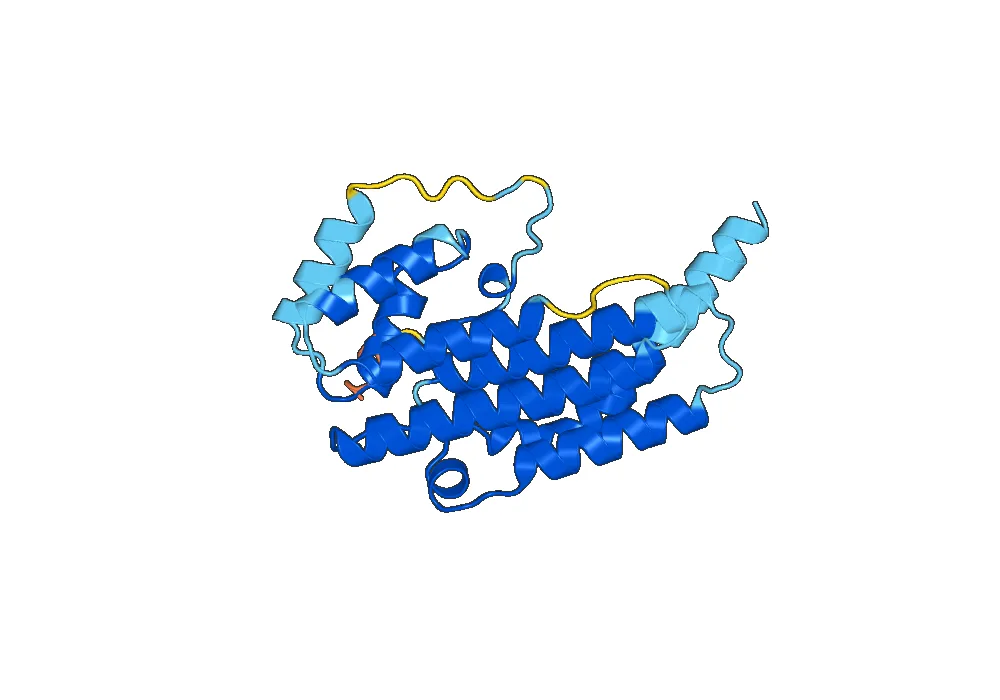
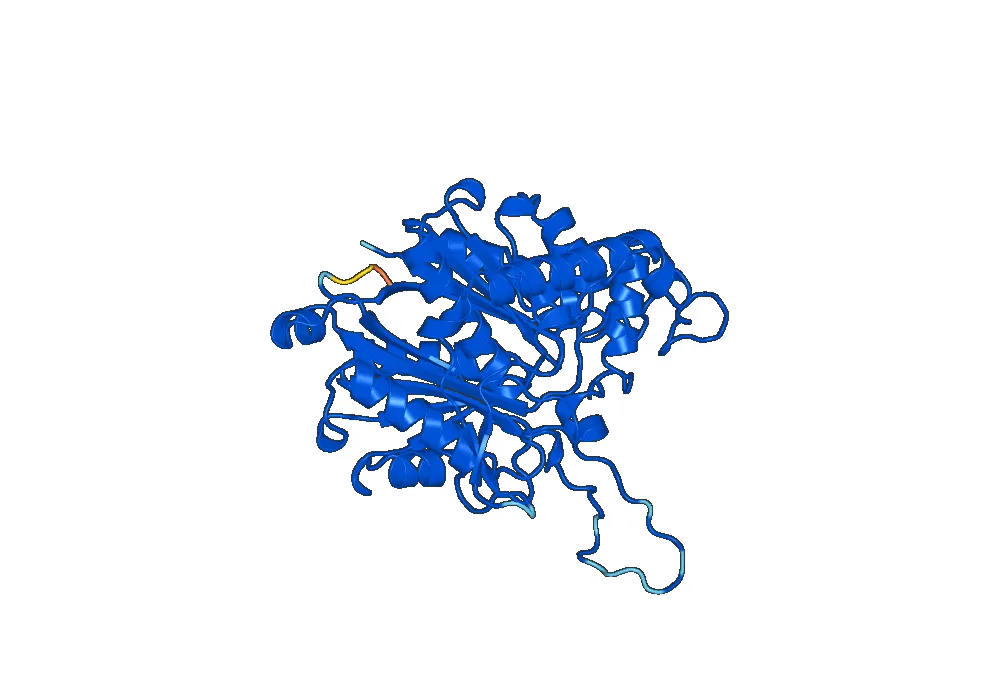
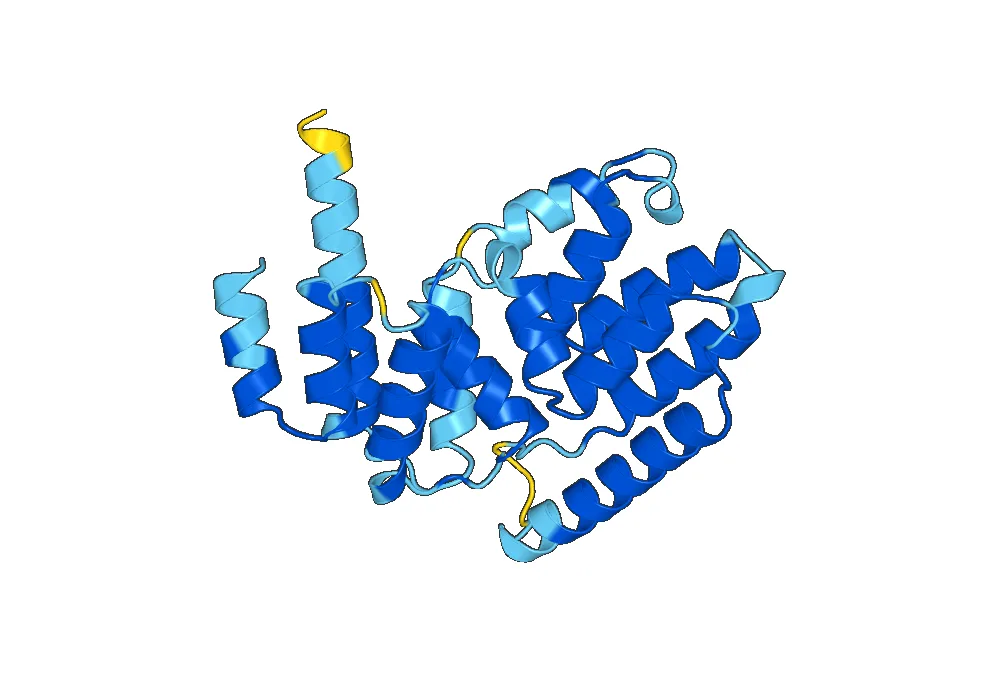
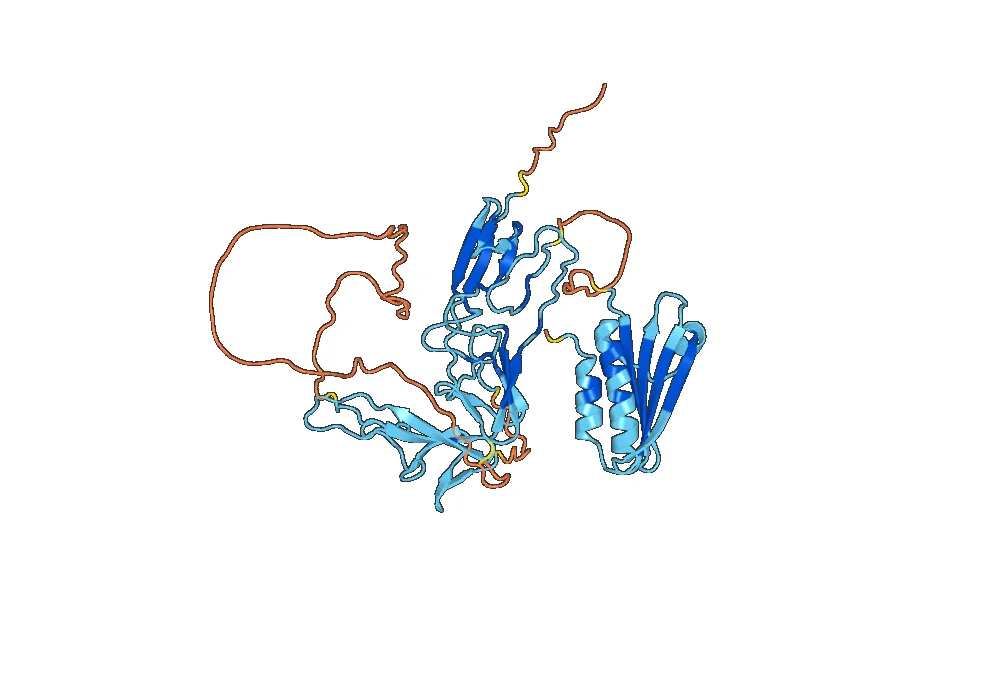
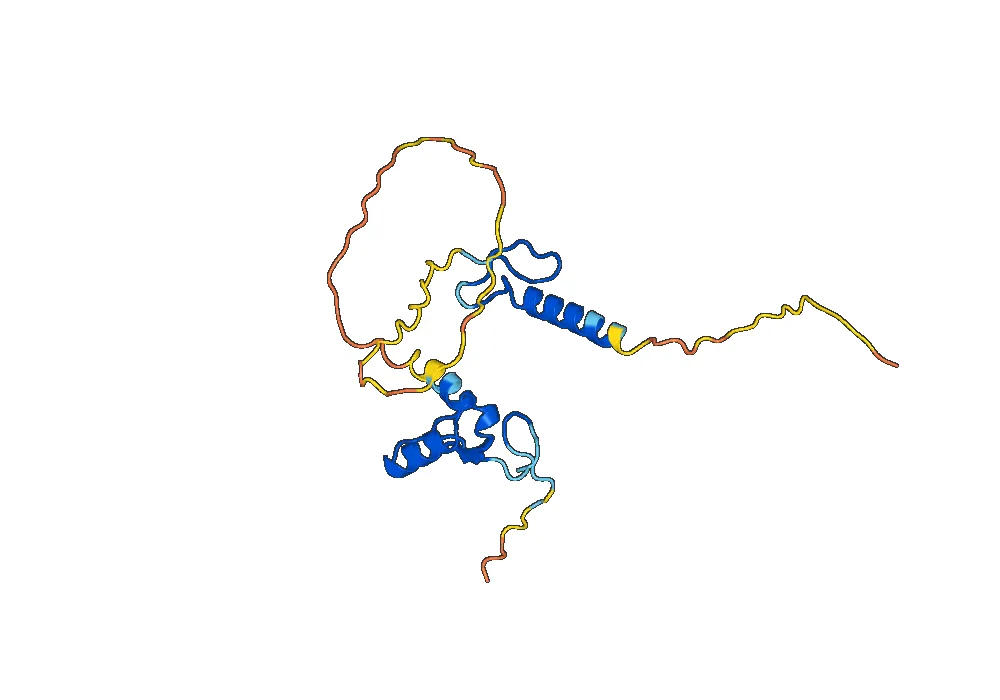
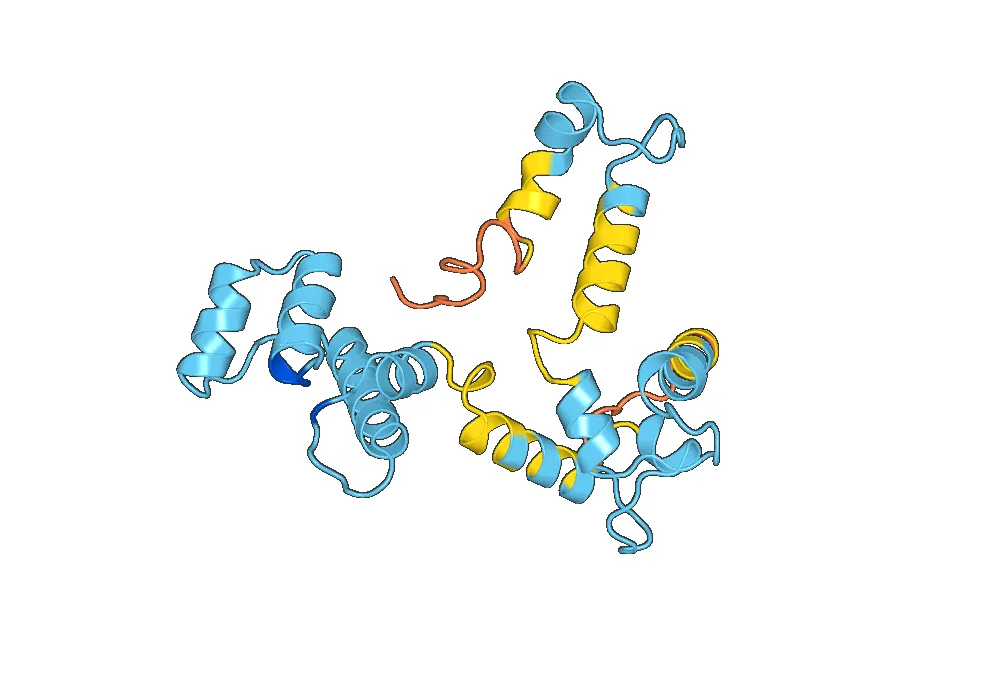
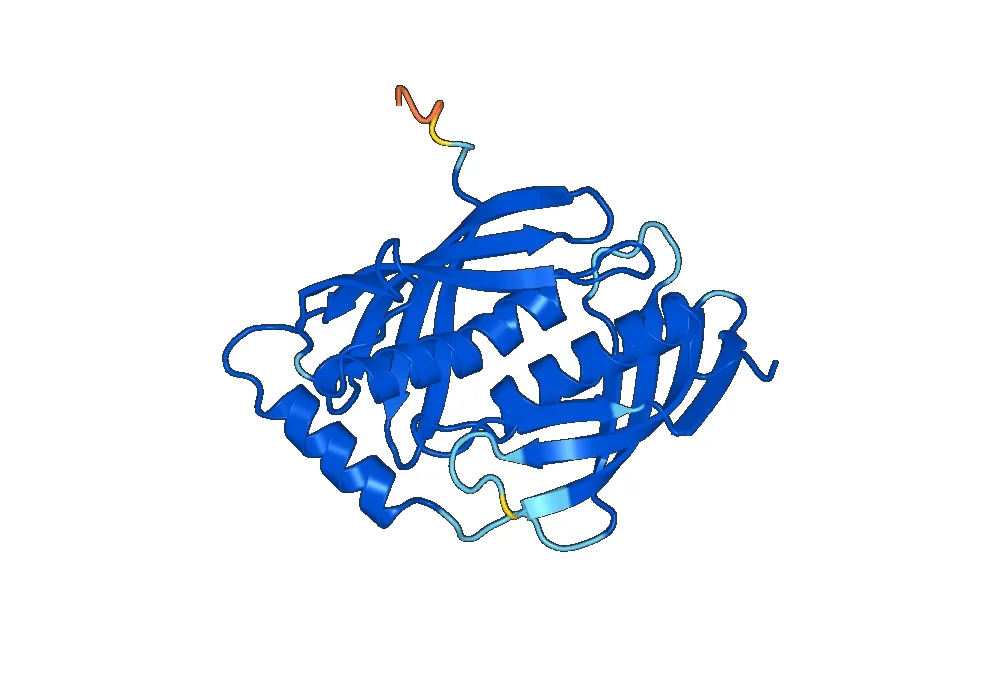
The EXOC3 protein is a member of the exocyst complex, which is a group of eight proteins that form a complex and are involved in the transport of vesicles from the Golgi apparatus to the plasma membrane. The EXOC3 protein is composed of 532 amino acids and has a molecular weight of approximately 60 kDa. It contains a highly conserved N-terminal domain, a central coiled-coil domain, and a C-terminal domain. The N-terminal domain is responsible for binding to other exocyst complex proteins, while the coiled-coil domain is involved in protein-protein interactions. The C-terminal domain is responsible for binding to vesicle membranes and facilitating vesicle transport.
Activity of Recombinant Human EXOC3 Protein
The main function of Recombinant Human EXOC3 Protein is to regulate the exocytosis process. This protein is involved in the docking and fusion of vesicles to the plasma membrane, allowing for the release of their contents. It also plays a role in the formation and maintenance of cell-cell junctions, which are crucial for cell communication and tissue integrity. Additionally, Recombinant Human EXOC3 Protein has been found to be involved in cell signaling pathways and cell migration, making it a vital protein for cellular processes.
Applications of Recombinant Human EXOC3 Protein
Recombinant Human EXOC3 Protein has various applications in both research and medical fields. One of the main uses of this protein is in studying the exocytosis process and its regulation. By using recombinant EXOC3 protein, researchers can manipulate and study its activity, providing insights into its function and potential therapeutic targets. This protein can also be used in drug discovery and development, as it plays a crucial role in cell signaling and migration, which are important processes in disease development.
In the medical field, Recombinant Human EXOC3 Protein has shown promise as a potential therapeutic target for various diseases. Studies have found that this protein is involved in cancer cell migration and invasion, making it a potential target for cancer treatment. Additionally, mutations in the EXOC3 gene have been linked to certain genetic disorders, highlighting its importance in human health.
Conclusion
In conclusion, Recombinant Human EXOC3 Protein is a crucial protein involved in the exocytosis process. Its structure, activity, and applications make it a valuable tool for studying cellular processes and potential therapeutic targets. With further research, this protein has the potential to contribute to the development of new treatments for various diseases.


There are no reviews yet.