Introduction to Recombinant Human FOSL2 Protein
Recombinant Human FOSL2 Protein, also known as FOS-like antigen 2, is a protein that plays a crucial role in regulating gene expression and cell growth. It belongs to the Fos family of transcription factors and is involved in various cellular processes such as cell proliferation, differentiation, and apoptosis.
Structure of Recombinant Human FOSL2 Protein
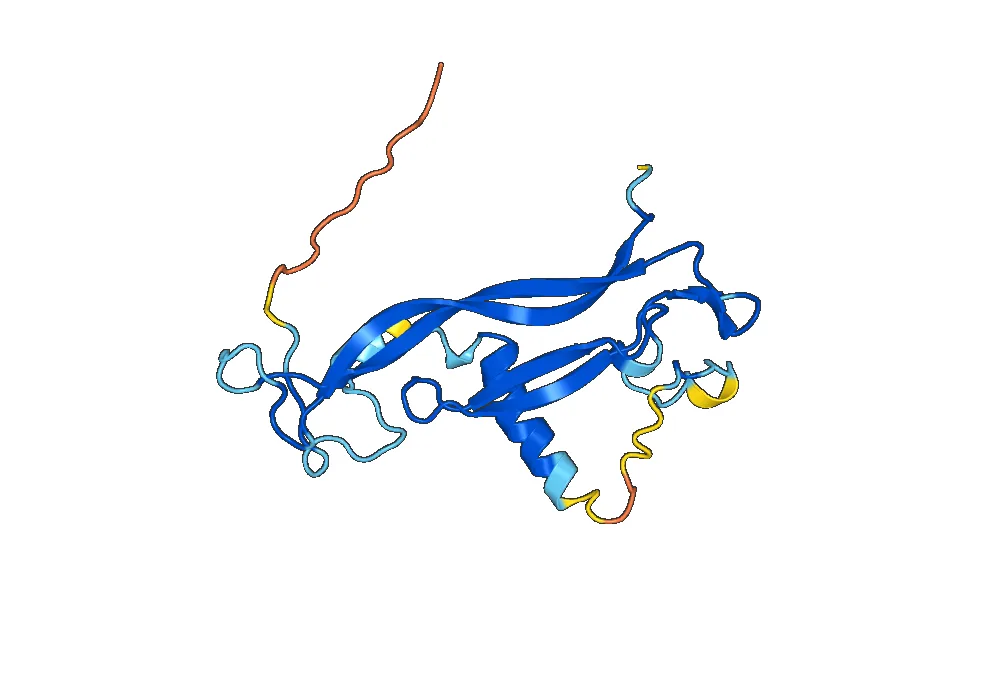
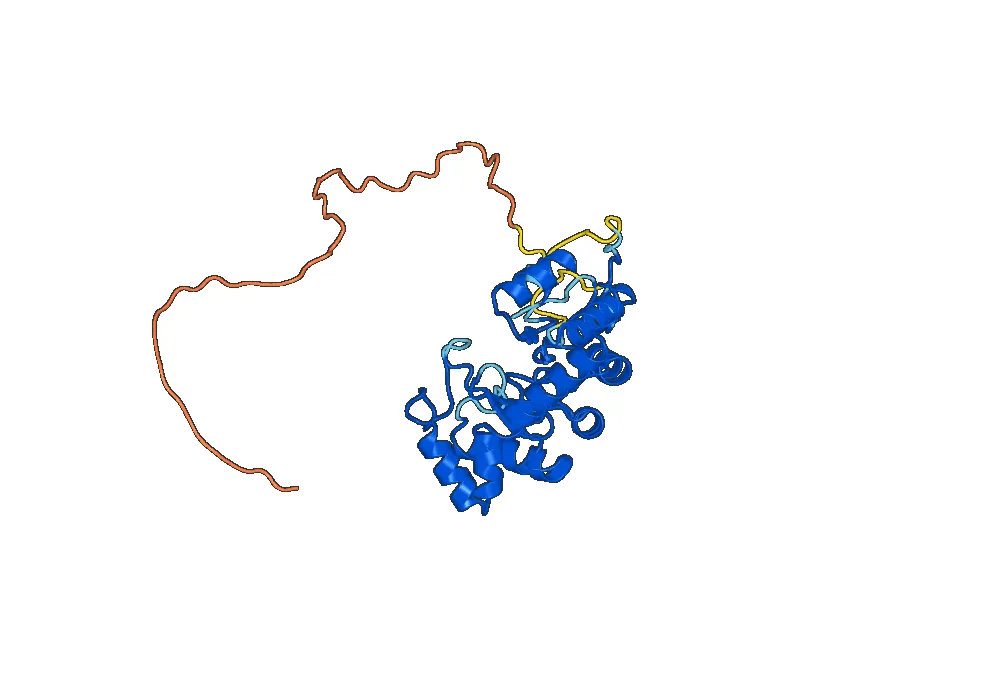
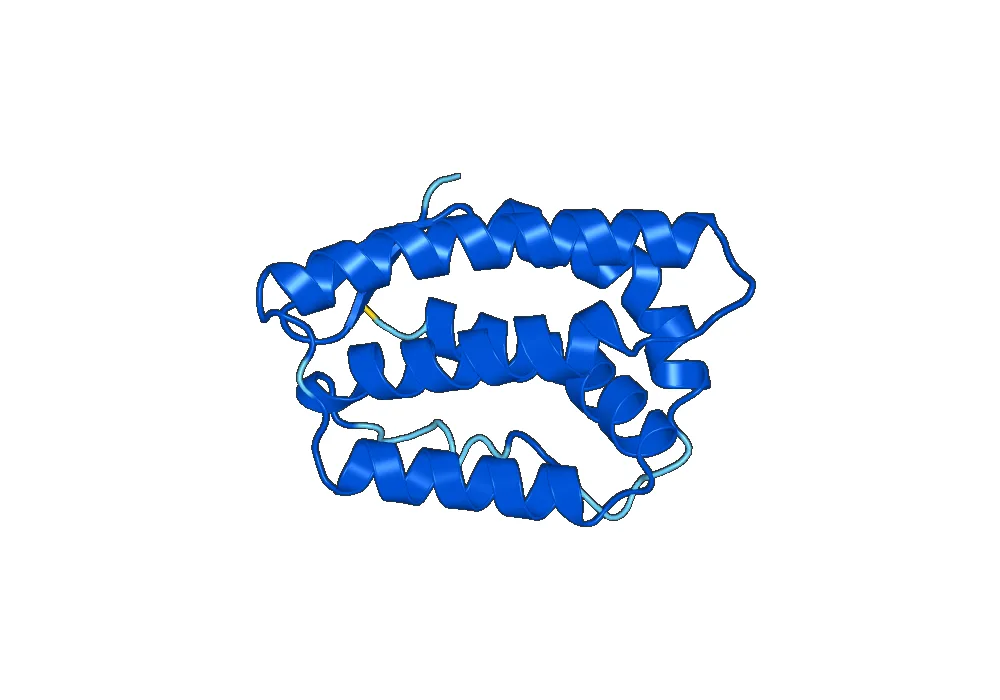
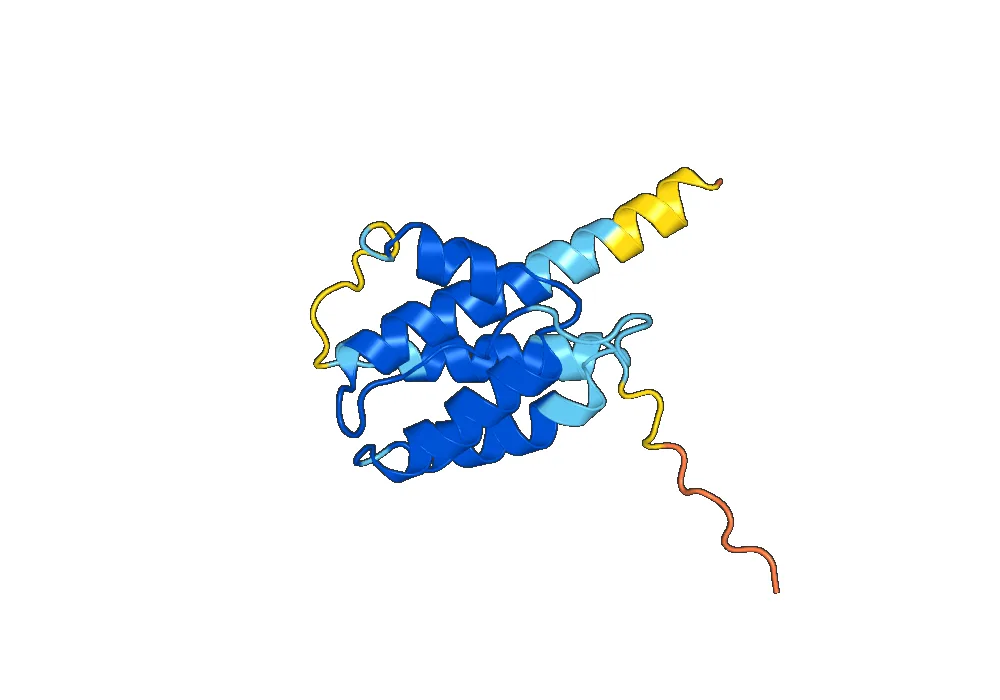
The FOSL2 gene is located on chromosome 2 in humans and encodes for a protein of 338 amino acids. The protein consists of three domains: the N-terminal domain, the basic-leucine zipper (bZIP) domain, and the C-terminal domain. The N-terminal domain contains a transactivation domain, which allows FOSL2 to interact with other transcription factors and regulate gene expression. The bZIP domain is responsible for DNA binding, while the C-terminal domain is involved in protein-protein interactions.
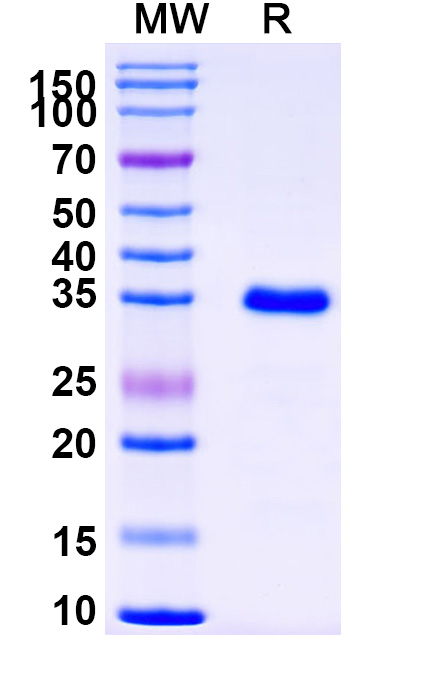
Recombinant Human FOSL2 Protein is produced through genetic engineering techniques, where the FOSL2 gene is inserted into a host organism such as bacteria, yeast, or mammalian cells. This allows for the production of large quantities of pure and biologically active FOSL2 protein.
Activity of Recombinant Human FOSL2 Protein
Recombinant Human FOSL2 Protein is a transcription factor that regulates gene expression by binding to specific DNA sequences called AP-1 sites. It forms a dimer with other Fos family members, such as c-Fos, and binds to DNA as a heterodimer. This binding activates or represses the transcription of target genes, depending on the cellular context.
FOSL2 is involved in various signaling pathways, including the mitogen-activated protein kinase (MAPK) pathway, which regulates cell proliferation and survival. It has also been shown to play a role in the epithelial-to-mesenchymal transition (EMT), a process involved in cancer progression and metastasis. Additionally, FOSL2 has been linked to the regulation of immune responses and inflammation.
Applications of Recombinant Human FOSL2 Protein
Due to its role in regulating gene expression and various cellular processes, Recombinant Human FOSL2 Protein has a wide range of applications in both research and clinical settings.
One of the main applications of FOSL2 protein is in cancer research. It has been found to be overexpressed in various types of cancers, including breast, lung, and prostate cancer. Therefore, studying the function and regulation of FOSL2 can provide valuable insights into cancer biology and potential therapeutic targets.
Recombinant Human FOSL2 Protein has also been used in the development of diagnostic tools for cancer. Its overexpression in cancer cells makes it a potential biomarker for early detection and monitoring of cancer progression. Additionally, FOSL2 protein can be used as a target for cancer therapy, either by inhibiting its activity or targeting the genes it regulates.
Furthermore, FOSL2 has been implicated in various diseases and disorders, such as inflammation, fibrosis, and neurodegenerative diseases. Therefore, studying its function and regulation can provide a better understanding of these conditions and potentially lead to the development of new treatments.
Conclusion
In summary, Recombinant Human FOSL2 Protein is a crucial transcription factor involved in regulating gene expression and various cellular processes. Its structure, activity, and applications make it a valuable tool in both research and clinical settings. Further studies on FOSL2 and its interactions with other proteins can provide a deeper understanding of its role in health and disease, leading to potential therapeutic interventions.



There are no reviews yet.