Introduction
Recombinant Human GALE Protein, also known as UDP-galactose 4-epimerase, is a key enzyme involved in the biosynthesis of galactose, an important sugar molecule that plays a crucial role in various biological processes. This protein is produced through genetic engineering techniques, making it a recombinant protein with high purity and specific activity. In this article, we will provide a detailed description of the structure, activity, and applications of Recombinant Human GALE Protein.
Structure of Recombinant Human GALE Protein
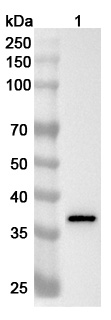
Recombinant Human GALE Protein is a homodimer, meaning it is composed of two identical subunits. Each subunit has a molecular weight of approximately 37 kDa and consists of 338 amino acids. The primary structure of this protein is highly conserved among different species, with over 90% sequence identity between human and mouse GALE proteins.
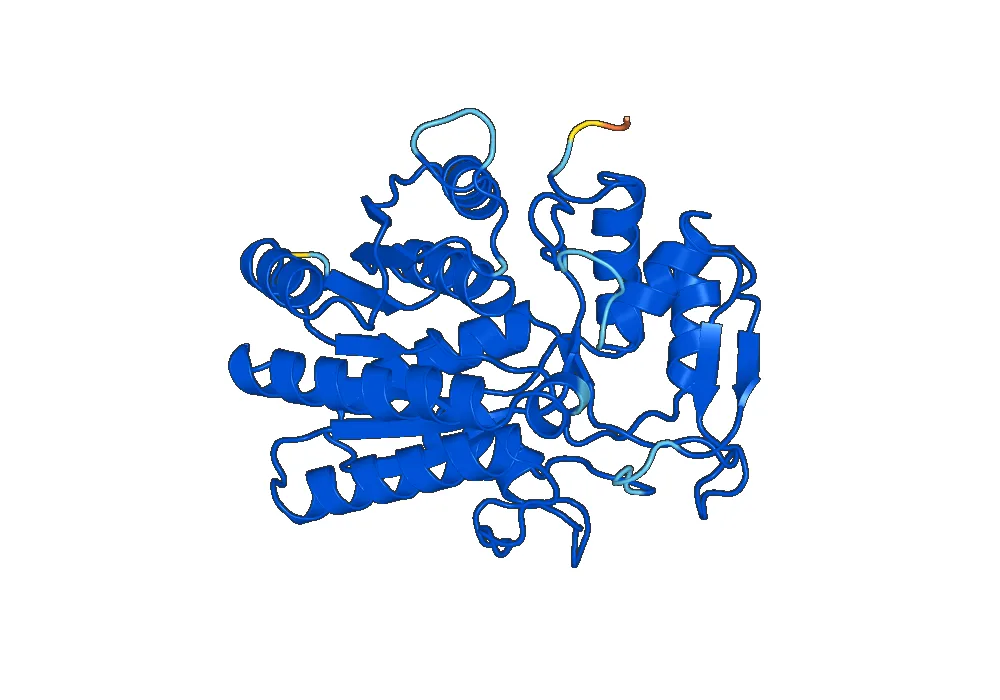
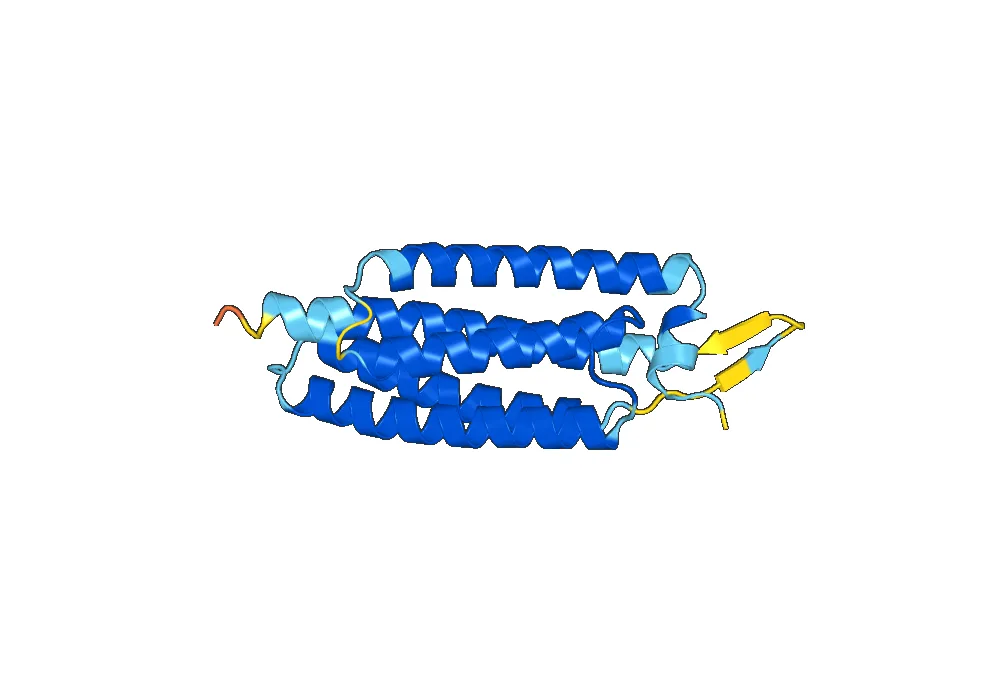
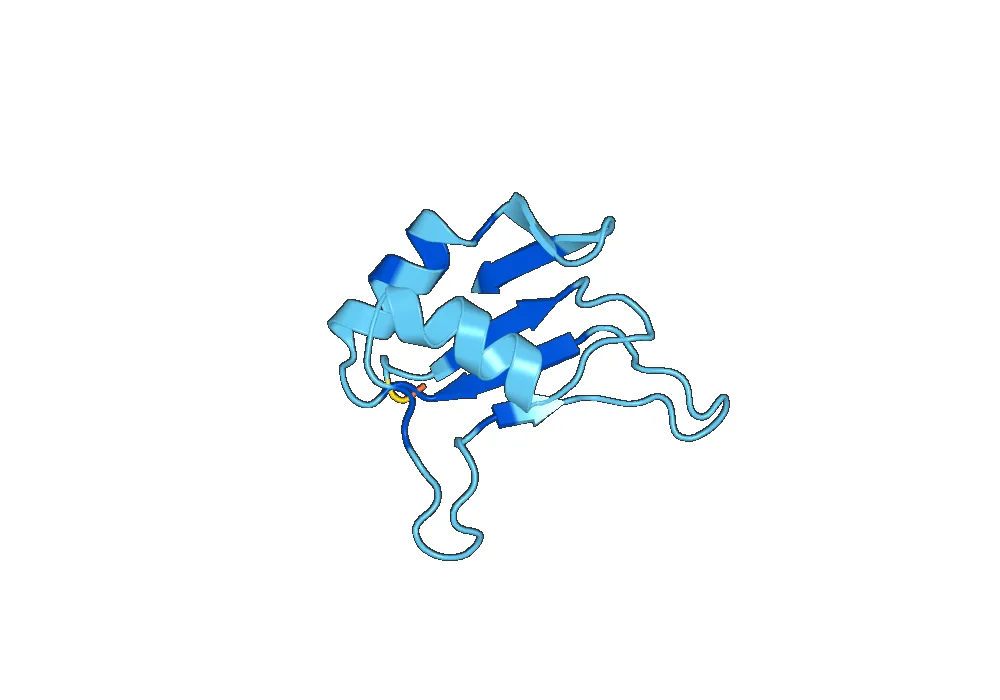
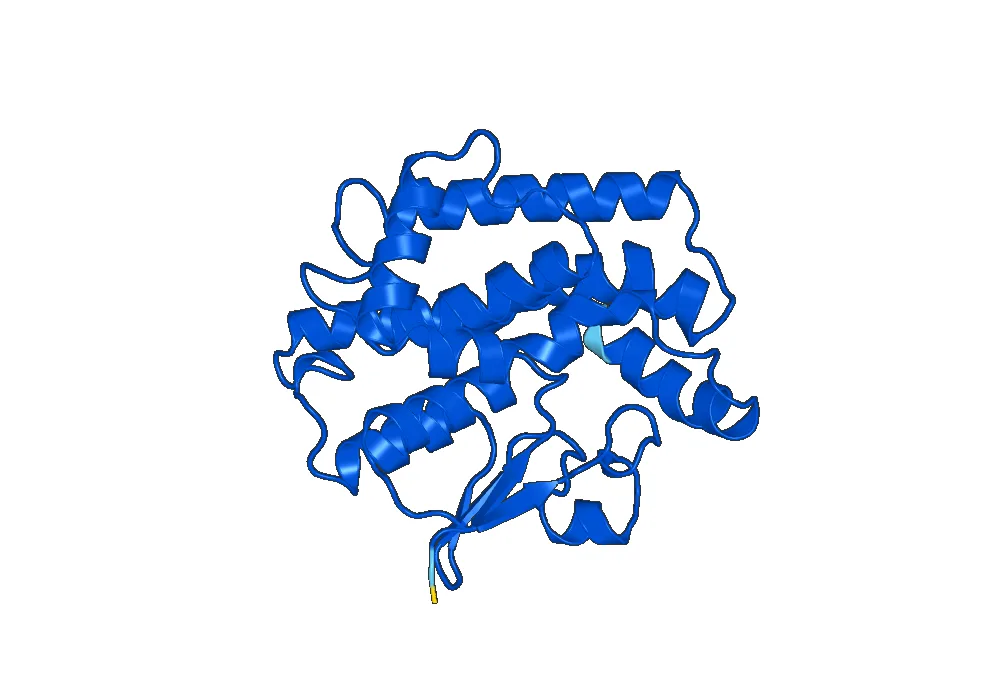
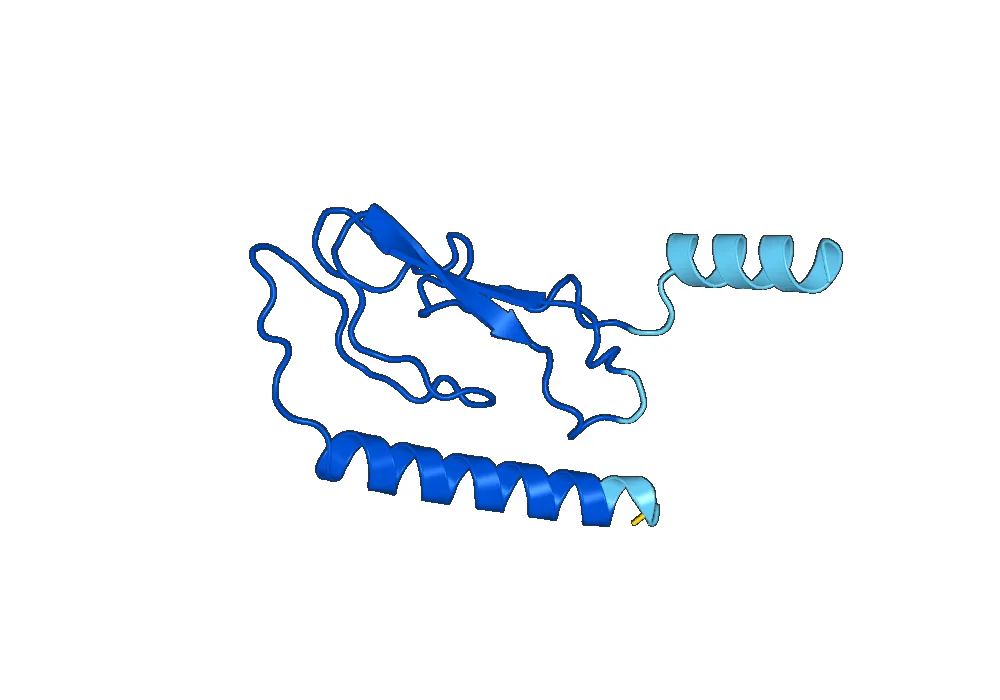
The three-dimensional structure of Recombinant Human GALE Protein has been determined through X-ray crystallography, revealing a compact and globular shape. The protein is composed of two domains, an N-terminal domain and a C-terminal domain, connected by a flexible linker region. The active site of the enzyme is located at the interface between the two domains, where the catalytic reaction takes place.
Activity of Recombinant Human GALE Protein
Recombinant Human GALE Protein is a crucial enzyme in the Leloir pathway, which is responsible for the conversion of glucose to galactose. This pathway is essential for the production of galactose, which is required for the synthesis of glycoproteins, glycolipids, and other important molecules. The catalytic activity of Recombinant Human GALE Protein is to convert UDP-glucose to UDP-galactose, which is the first step in the Leloir pathway.
The enzymatic activity of Recombinant Human GALE Protein is highly specific and efficient, with a turnover rate of approximately 100 molecules per second. This high activity is due to the precise positioning of key amino acids in the active site, which allows for optimal binding and catalysis of the substrate. Additionally, the recombinant nature of this protein ensures a high level of purity and specific activity, making it a valuable tool for research and industrial applications.
Applications of Recombinant Human GALE Protein
Recombinant Human GALE Protein has a wide range of applications in both research and industrial settings. One of the primary uses of this protein is in the production of galactose for various biochemical and biotechnological processes. The catalytic activity of Recombinant Human GALE Protein can be harnessed to produce large quantities of UDP-galactose, which is used as a substrate for the synthesis of various galactose-containing molecules.
In addition to its role in galactose biosynthesis, Recombinant Human GALE Protein has been extensively studied for its potential therapeutic applications. Mutations in the GALE gene have been linked to a rare metabolic disorder called epimerase deficiency galactosemia, which results in the accumulation of toxic metabolites and can lead to severe health complications. Recombinant Human GALE Protein has been used in studies to understand the underlying mechanisms of this disorder and to develop potential treatments.
Furthermore, Recombinant Human GALE Protein has been used in research to study the role of galactose in various biological processes, such as cell signaling, immune response, and development. Its high purity and specific activity make it an ideal tool for studying the effects of galactose on different cell types and tissues.
Conclusion
In summary, Recombinant Human GALE Protein is a key enzyme involved in the biosynthesis of galactose, with a highly specific and efficient catalytic activity. Its recombinant nature allows for a high level of purity and specific activity, making it a valuable tool for various research and industrial applications. The detailed understanding of its structure, activity, and applications has opened up new avenues for the development of potential
There are no reviews yet.