Introduction to Recombinant Human HPSE
Recombinant Human HPSE (Heparanase) is a type of recombinant protein that plays a crucial role in various biological processes. It is a glycoprotein that is encoded by the HPSE gene and is also known as heparanase-1. This protein is involved in the degradation of heparan sulfate, which is a major component of the extracellular matrix. Recombinant Human HPSE has been extensively studied and has shown promising potential in various therapeutic applications. In this article, we will discuss the structure, activity, and applications of Recombinant Human HPSE.
Structure of Recombinant Human HPSE
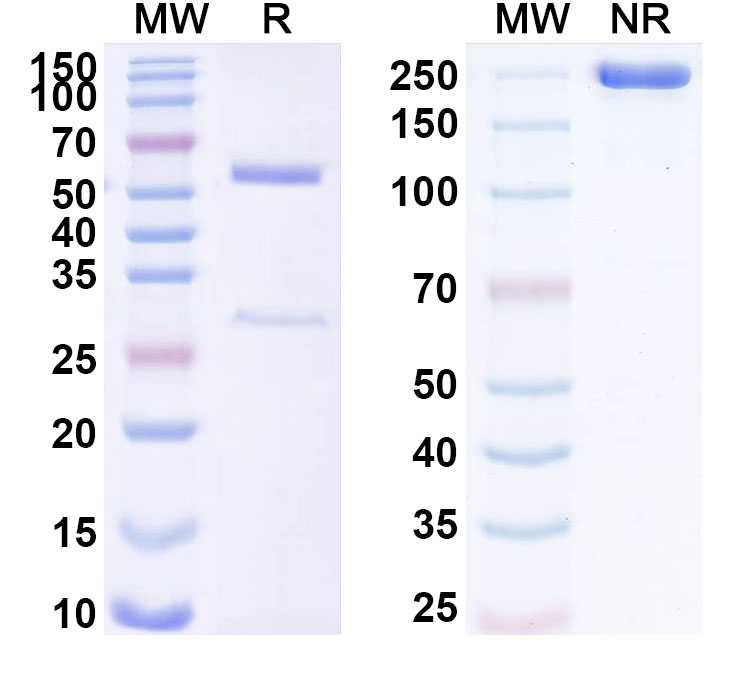
Recombinant Human HPSE is a 50 kDa protein that consists of 543 amino acids. It is composed of three distinct domains: the N-terminal domain, the linker domain, and the C-terminal domain. The N-terminal domain is responsible for the enzyme’s catalytic activity, while the linker domain is involved in substrate recognition. The C-terminal domain is responsible for the protein’s interaction with other molecules, such as growth factors and cytokines.
Recombinant Human HPSE also contains two active sites, which are essential for its enzymatic activity. These active sites are composed of specific amino acids that are responsible for the cleavage of heparan sulfate chains. The protein also contains four disulfide bonds, which are crucial for maintaining its structural stability.
Activity of Recombinant Human HPSE
The primary function of Recombinant Human HPSE is to degrade heparan sulfate, which is a major component of the extracellular matrix. This degradation is carried out by the enzyme’s catalytic activity, which results in the cleavage of heparan sulfate chains into smaller fragments. These fragments have important roles in various biological processes, such as cell migration, angiogenesis, and inflammation.
In addition to its enzymatic activity, Recombinant Human HPSE also has non-enzymatic functions. It can interact with various growth factors and cytokines, such as fibroblast growth factor (FGF) and vascular endothelial growth factor (VEGF). This interaction can modulate the activity of these molecules, leading to the regulation of cell growth, differentiation, and survival.
Applications of Recombinant Human HPSE
Recombinant Human HPSE has shown great potential in various therapeutic applications. Its ability to degrade heparan sulfate makes it a promising candidate for the treatment of cancer. Heparan sulfate is known to play a crucial role in tumor growth and metastasis, and inhibiting its degradation can lead to the suppression of these processes. Recombinant Human HPSE has been shown to inhibit the growth and invasion of various cancer cells, making it a potential therapeutic agent for cancer treatment.
Moreover, Recombinant Human HPSE has also been studied for its role in inflammation and autoimmune diseases. Its interaction with growth factors and cytokines can modulate the inflammatory response, making it a potential target for the treatment of inflammatory diseases, such as rheumatoid arthritis and multiple sclerosis.
In addition to its therapeutic applications, Recombinant Human HPSE has also been used in research and diagnostic tools. It is commonly used as an antigen in immunoassays to detect the presence of antibodies against HPSE in patient samples. This can aid in the diagnosis and monitoring of diseases associated with HPSE, such as cancer and inflammation.
Conclusion
In conclusion, Recombinant Human HPSE is a multifunctional protein that plays a crucial role in various biological processes. Its structure, activity, and applications have been extensively studied, and it has shown promising potential in therapeutic, research, and diagnostic applications. Further research and development of Recombinant Human HPSE may lead to the development of new and effective treatments for various diseases.


There are no reviews yet.