Introduction to Recombinant Human IFT81 Protein
Recombinant Human IFT81 Protein, also known as Intraflagellar Transport Protein 81, is a highly conserved protein that plays a critical role in the assembly and maintenance of cilia, which are microtubule-based organelles found on the surface of many eukaryotic cells. This protein is encoded by the IFT81 gene and is involved in the process of intraflagellar transport, which is the movement of cargo proteins along the length of the cilium. In this article, we will discuss the structure, activity, and applications of Recombinant Human IFT81 Protein.
Structure of Recombinant Human IFT81 Protein
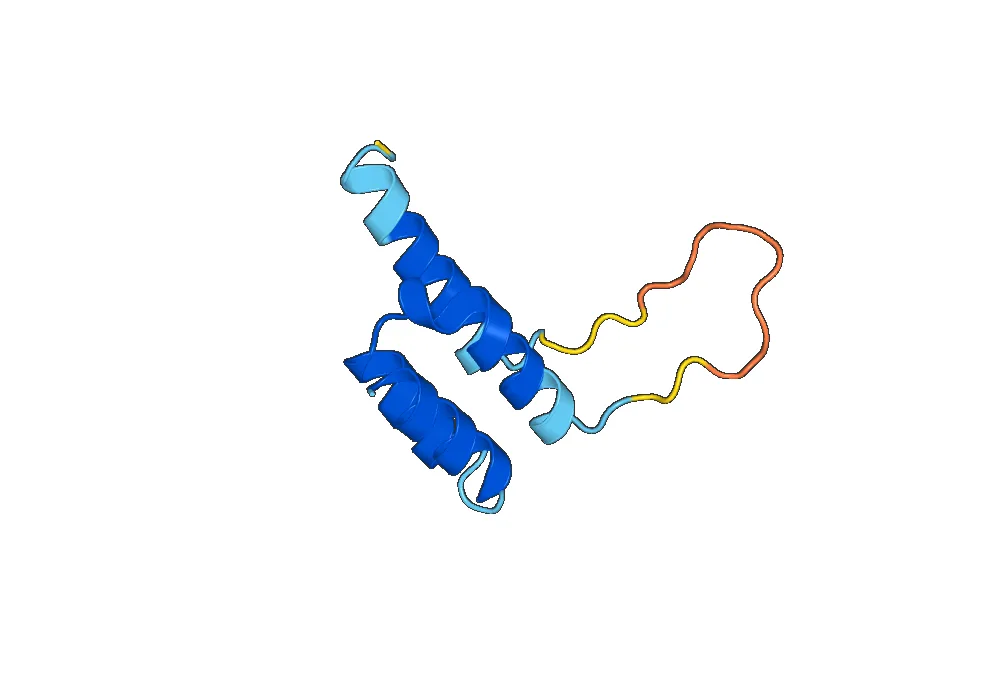
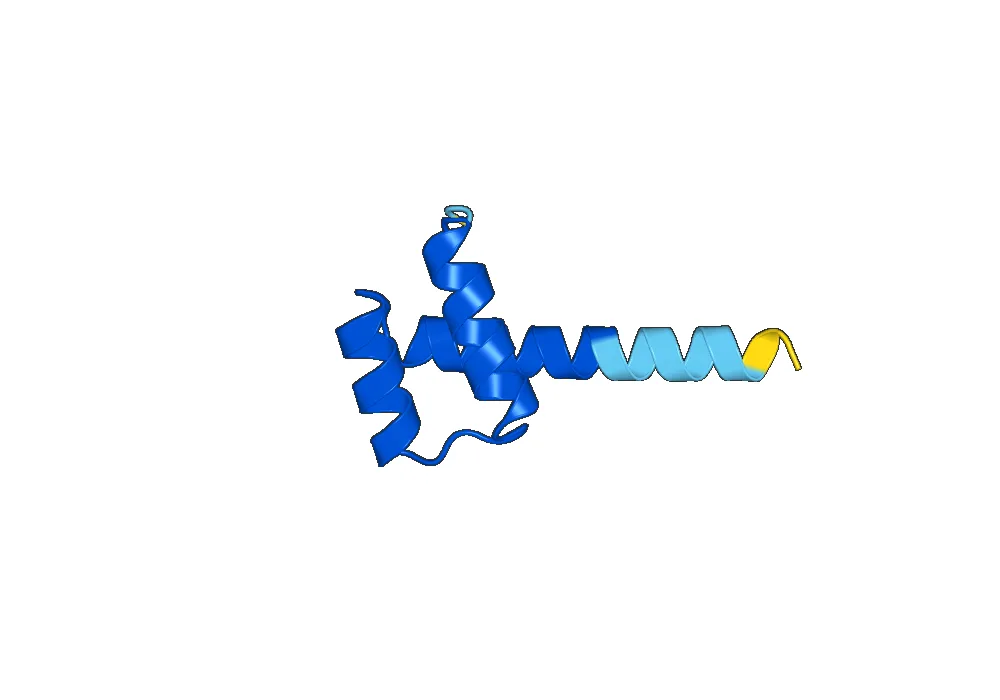
Recombinant Human IFT81 Protein is a 81 kDa protein that is composed of 735 amino acids. It contains a conserved N-terminal domain, a central coiled-coil domain, and a C-terminal domain. The N-terminal domain is responsible for binding to other intraflagellar transport proteins, while the coiled-coil domain is involved in protein-protein interactions. The C-terminal domain contains a highly conserved WD40 repeat motif, which is important for the binding of cargo proteins. This protein also contains several phosphorylation sites, which are important for its regulation and function.
Activity of Recombinant Human IFT81 Protein
Recombinant Human IFT81 Protein is primarily involved in the process of intraflagellar transport, which is essential for the assembly and maintenance of cilia. Cilia are important for various cellular functions such as cell signaling, motility, and sensory perception. Intraflagellar transport is a bidirectional process that involves the movement of cargo proteins from the base to the tip of the cilium and vice versa. Recombinant Human IFT81 Protein acts as a motor protein, along with other intraflagellar transport proteins, to facilitate the movement of cargo proteins. It also plays a role in the regulation of ciliary length and signaling pathways within the cilium.
Applications of Recombinant Human IFT81 Protein
Due to its important role in intraflagellar transport and ciliary function, Recombinant Human IFT81 Protein has several potential applications in the field of cell biology and medicine. One of the main applications of this protein is in the study of cilia-related diseases. Mutations in the IFT81 gene have been linked to various ciliopathies, which are a group of genetic disorders that are characterized by defects in cilia structure and function. Recombinant Human IFT81 Protein can be used to study the effects of these mutations on ciliary function and to develop potential treatments for these diseases.
In addition, Recombinant Human IFT81 Protein can also be used in the development of targeted drug delivery systems. Cilia have been shown to play a role in the uptake and transport of certain drugs, and Recombinant Human IFT81 Protein can be used to target specific drugs to cilia for more efficient delivery. This can have potential applications in the treatment of diseases such as cancer, where targeted drug delivery is crucial for effective treatment.
Furthermore, Recombinant Human IFT81 Protein can also be used in the development of biosensors for the detection of cilia-related diseases. Cilia are known to be involved in various signaling pathways, and changes in ciliary function can be indicative of certain diseases. By using Recombinant Human IFT81 Protein as a probe, it is possible to detect changes in ciliary function and potentially diagnose diseases at an early stage.
Conclusion
In summary, Recombinant Human IFT81 Protein is a highly conserved protein that plays a critical role in the assembly and maintenance of cilia. Its structure, activity, and potential applications make it a valuable tool in the


There are no reviews yet.