Introduction
Recombinant proteins are proteins that are produced through genetic engineering techniques, where the DNA sequence of a specific protein is inserted into a host organism, such as bacteria or yeast, to produce large quantities of the desired protein. One such recombinant protein is the Recombinant Human KYAT1 Protein, which has gained significant attention in the scientific community due to its unique structure, activity, and potential applications.
Structure of Recombinant Human KYAT1 Protein
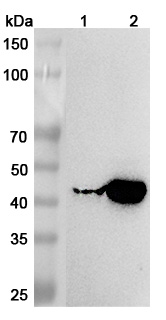
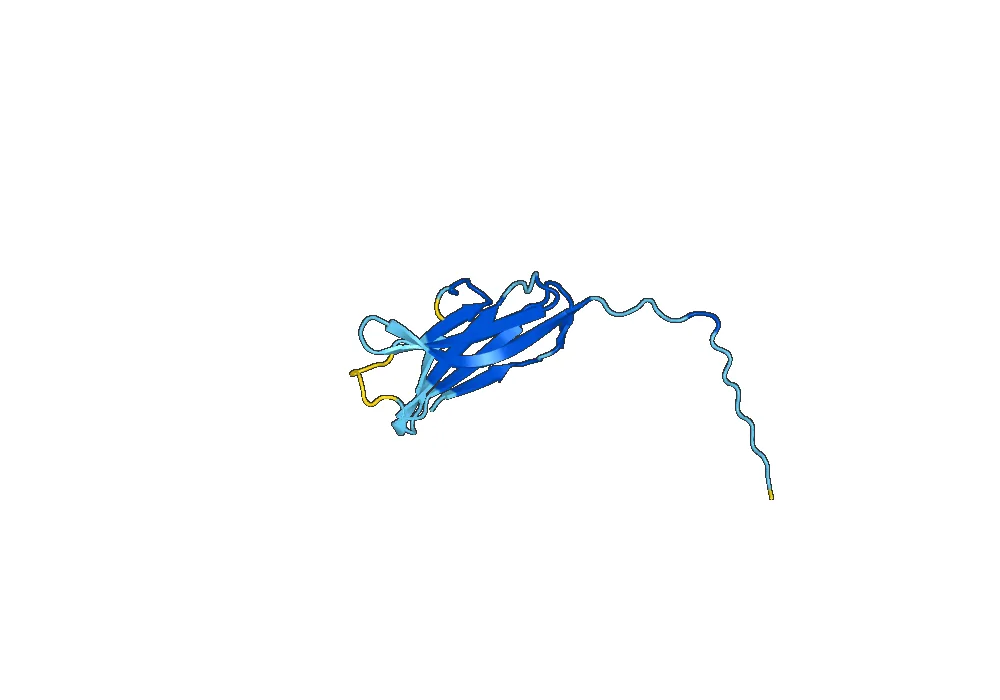
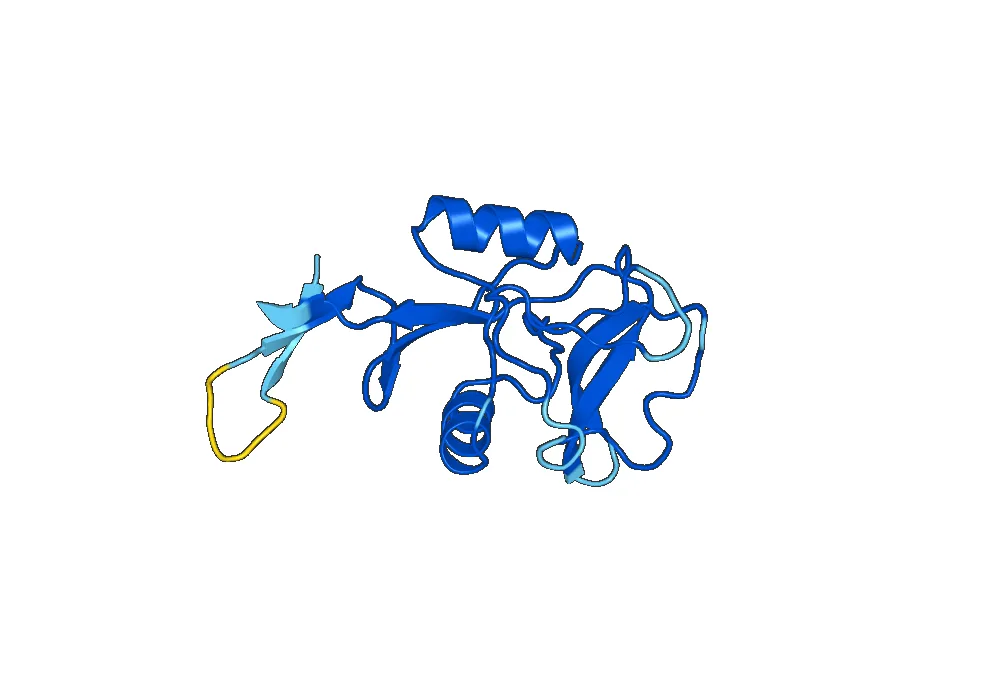
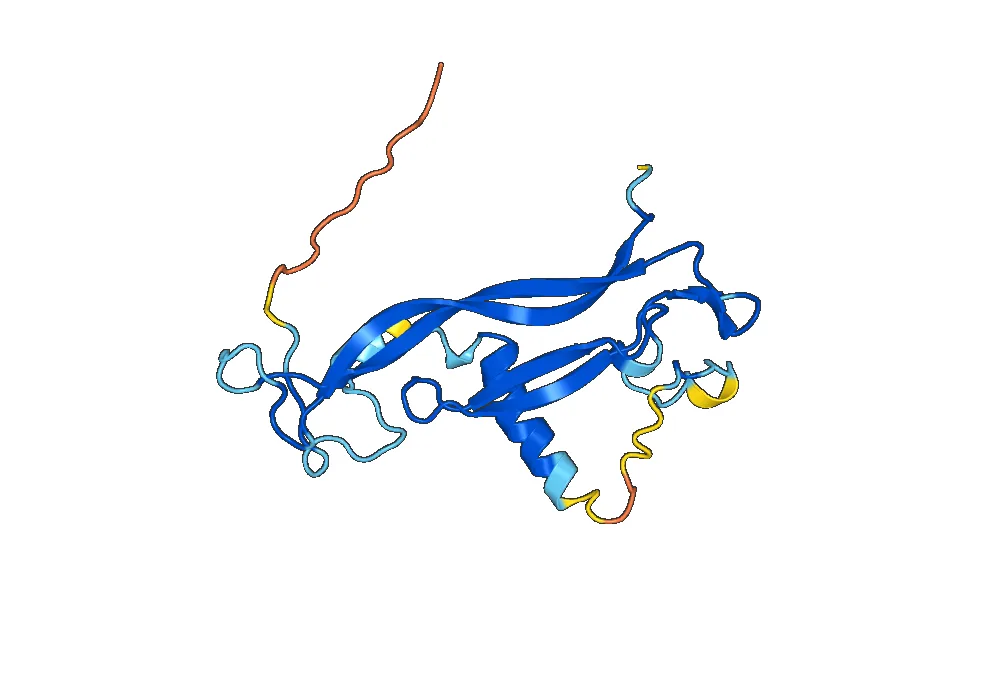
The Recombinant Human KYAT1 Protein, also known as Kynurenine aminotransferase 1, is a 48-kDa protein that consists of 422 amino acids. It is a member of the aminotransferase family and is highly conserved among different species, including humans, mice, and rats. The protein has a pyridoxal phosphate (PLP) binding site, which is essential for its enzymatic activity.
Activity of Recombinant Human KYAT1 Protein
The primary function of Recombinant Human KYAT1 Protein is to catalyze the conversion of kynurenine, an amino acid derived from tryptophan, to kynurenic acid. This reaction is a crucial step in the kynurenine pathway, which is involved in the metabolism of tryptophan and plays a significant role in immune regulation, neuroprotection, and neurotransmission. The activity of KYAT1 protein is dependent on the presence of PLP, which acts as a cofactor and is required for the proper folding and stability of the protein.
Applications of Recombinant Human KYAT1 Protein
Recombinant Human KYAT1 Protein has a wide range of potential applications in various fields, including biomedical research and drug development. One of the significant applications of this protein is in studying the kynurenine pathway and its role in various diseases, such as cancer, neurodegenerative disorders, and autoimmune diseases. The overexpression or inhibition of KYAT1 protein can provide valuable insights into the mechanisms underlying these diseases and help in the development of potential therapeutic strategies.
Another potential application of Recombinant Human KYAT1 Protein is in the production of kynurenic acid, which has been shown to have neuroprotective and anti-inflammatory properties. Kynurenic acid has been studied for its potential use in the treatment of neurological disorders, such as Alzheimer’s disease and Parkinson’s disease. The use of KYAT1 protein for the large-scale production of kynurenic acid can provide a cost-effective and efficient method for obtaining this valuable compound.
Conclusion
In summary, Recombinant Human KYAT1 Protein is a unique protein with a specific structure and activity that plays a crucial role in the kynurenine pathway. Its potential applications in biomedical research and drug development make it a valuable tool for studying and understanding various diseases. With further research and development, this protein has the potential to contribute significantly to the advancement of medicine and improve human health.

There are no reviews yet.