Introduction
Recombinant Human MARCO Protein is a type of recombinant protein that has been produced through genetic engineering techniques. This protein is a member of the scavenger receptor family and plays a crucial role in the immune system as an antigen-presenting receptor. In this article, we will discuss the structure, activity and application of Recombinant Human MARCO Protein in detail.
Structure of Recombinant Human MARCO Protein
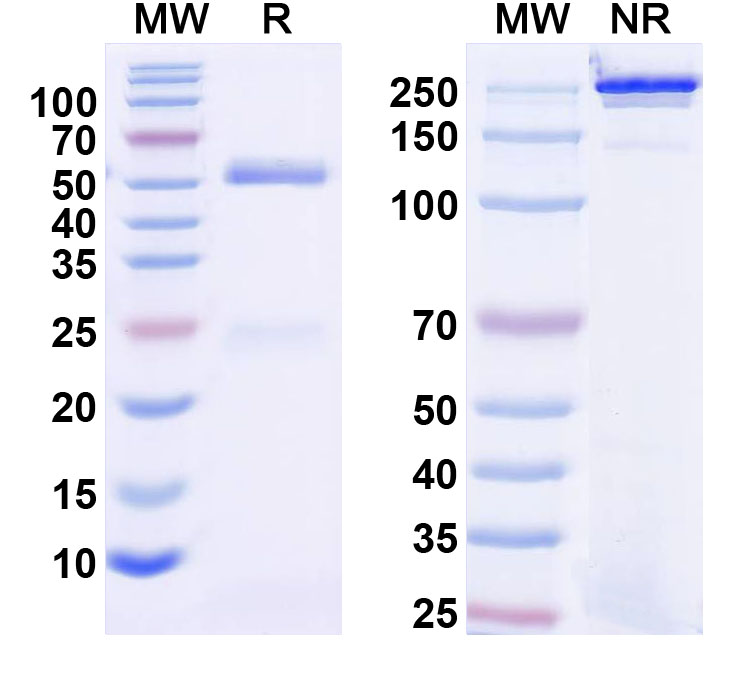
The gene encoding for MARCO protein is located on chromosome 2 in humans and consists of 13 exons. The protein is composed of 520 amino acids with a predicted molecular weight of 60 kDa. The primary structure of MARCO protein contains a cysteine-rich extracellular domain, a transmembrane domain and a cytoplasmic tail. The extracellular domain is responsible for ligand binding, while the cytoplasmic tail is involved in signal transduction.
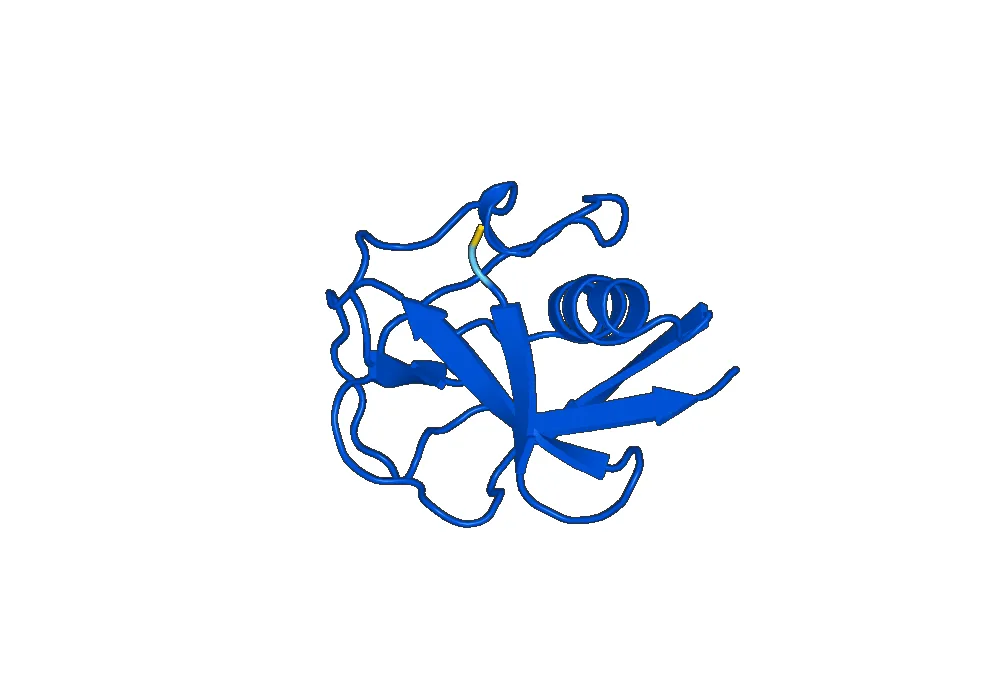
The crystal structure of Recombinant Human MARCO Protein has been determined, revealing a trimeric arrangement of the extracellular domain. Each monomer consists of a beta-propeller domain and a C-type lectin-like domain. The beta-propeller domain is responsible for ligand binding, while the C-type lectin-like domain is involved in oligomerization and signal transduction. The trimeric arrangement of MARCO protein allows for efficient binding of ligands and activation of downstream signaling pathways.
Activity of Recombinant Human MARCO Protein
As a scavenger receptor, MARCO protein plays a crucial role in the recognition and clearance of foreign particles, such as bacteria and viruses, from the body. It does so by binding to a wide range of ligands, including lipopolysaccharides, lipoteichoic acid, and bacterial and viral proteins. This binding triggers downstream signaling pathways, leading to the activation of immune cells and the production of pro-inflammatory cytokines.
In addition to its role in immune defense, MARCO protein has also been shown to play a role in wound healing and tissue repair. It has been found to regulate the migration and proliferation of fibroblasts, which are important cells in the wound healing process. This suggests that Recombinant Human MARCO Protein may have potential therapeutic applications in wound healing and tissue repair.
Application of Recombinant Human MARCO Protein
Recombinant Human MARCO Protein has a wide range of applications in both research and clinical settings. In research, it is commonly used as a tool to study the role of MARCO protein in immune function and disease. The availability of recombinant protein allows for the manipulation and study of specific domains or mutations of MARCO protein, providing valuable insights into its structure and function.
In clinical settings, Recombinant Human MARCO Protein has potential applications in the development of vaccines and immunotherapies. Its ability to bind to a wide range of ligands makes it an attractive candidate for vaccine development against bacterial and viral infections. Furthermore, its role in wound healing and tissue repair suggests that it may have potential therapeutic applications in regenerative medicine.
Conclusion
In summary, Recombinant Human MARCO Protein is a versatile protein with a complex structure and diverse functions. Its role in immune defense, wound healing, and tissue repair makes it a valuable tool for both research and clinical applications. With ongoing research and advancements in genetic engineering techniques, the potential of Recombinant Human MARCO Protein in various fields is continuously expanding.

There are no reviews yet.