Introduction
Recombinant Human MAT1A Protein, also known as Methionine adenosyltransferase 1A, is a crucial enzyme involved in the biosynthesis of S-adenosylmethionine (SAMe). SAMe is a vital molecule that plays a significant role in various biological processes, including DNA methylation, neurotransmitter synthesis, and protein synthesis. The MAT1A protein is essential for maintaining cellular homeostasis and regulating various metabolic pathways. In this article, we will discuss the structure, activity, and application of Recombinant Human MAT1A Protein.
Structure of Recombinant Human MAT1A Protein
The MAT1A gene is located on chromosome 10 in humans and encodes for the MAT1A protein. The protein consists of 395 amino acids with a molecular weight of approximately 43 kDa. It is composed of two identical subunits, each with a molecular weight of 23 kDa. The MAT1A protein has a conserved sequence of amino acids, which is essential for its enzymatic activity. It also contains a binding site for its cofactor, adenosine triphosphate (ATP).
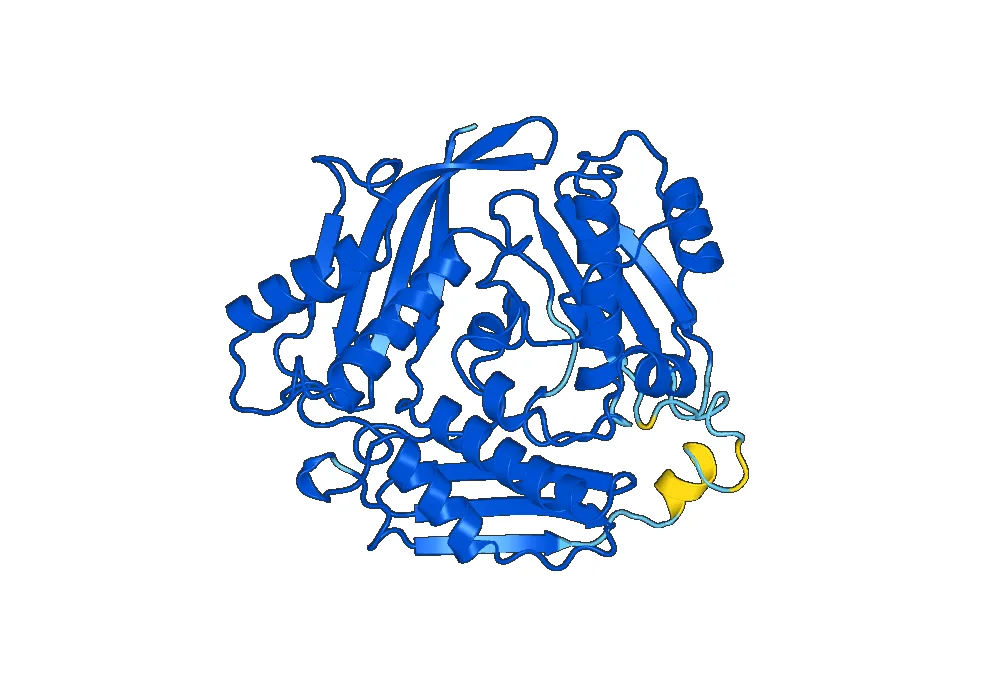
The crystal structure of the MAT1A protein has been determined, revealing a homotetrameric structure with a central cavity. The active site of the enzyme is located at the interface of two subunits, where the ATP binding site is present. The MAT1A protein also contains a regulatory domain, which is responsible for the allosteric regulation of the enzyme’s activity.
Activity of Recombinant Human MAT1A Protein
The primary function of the MAT1A protein is to catalyze the conversion of methionine and ATP into SAMe and inorganic phosphate. This reaction is crucial for the maintenance of cellular methylation potential and the production of SAMe, which is a universal methyl donor in various biochemical reactions. The activity of the MAT1A protein is regulated by its cofactor, ATP, and the allosteric regulator, S-adenosylmethionine.
Mutations in the MAT1A gene can result in reduced enzyme activity, leading to a decrease in SAMe production. This can result in various diseases, including liver disease, neurological disorders, and cancer. Therefore, recombinant MAT1A protein can be used to supplement the deficient enzyme and restore normal cellular function.
Application of Recombinant Human MAT1A Protein
Recombinant Human MAT1A Protein has various applications in both research and therapeutic settings. In research, it can be used to study the structure and function of the enzyme and its role in different biological processes. It can also be used to develop new drugs that target the MAT1A protein for the treatment of various diseases.
In a therapeutic setting, recombinant MAT1A protein can be used to treat diseases associated with SAMe deficiency. For example, it has been used in clinical trials to treat liver disease, where SAMe production is impaired. Recombinant MAT1A protein supplementation has shown promising results in improving liver function and reducing symptoms in patients with liver disease.
Moreover, recombinant MAT1A protein has also been investigated as a potential treatment for neurological disorders, such as Alzheimer’s disease and depression. SAMe deficiency has been linked to the development of these disorders, and supplementation with recombinant MAT1A protein has shown to improve symptoms in preclinical studies.
Conclusion
In conclusion, Recombinant Human MAT1A Protein is a crucial enzyme involved in the biosynthesis of SAMe and plays a significant role in various biological processes. Its structure and activity have been extensively studied, and it has various applications in both research and therapeutic settings. Supplementation with recombinant MAT1A protein has shown promising results in the treatment of SAMe deficiency-related diseases, making it a potential therapeutic option for various disorders. Further research on the enzyme and its functions can lead to the development of new treatments and improve our understanding of its role in maintaining cellular homeostasis.


There are no reviews yet.