Introduction
Recombinant Human MFSD8/CLN7 Protein is a protein that has been produced through genetic engineering techniques in a laboratory setting. This protein is a member of the major facilitator superfamily (MFS) and is also known as CLN7, which stands for ceroid lipofuscinosis, neuronal 7. It plays a crucial role in the transport of various molecules across cell membranes and has been identified as a potential therapeutic target for neurodegenerative diseases.
Structure of Recombinant Human MFSD8/CLN7 Protein
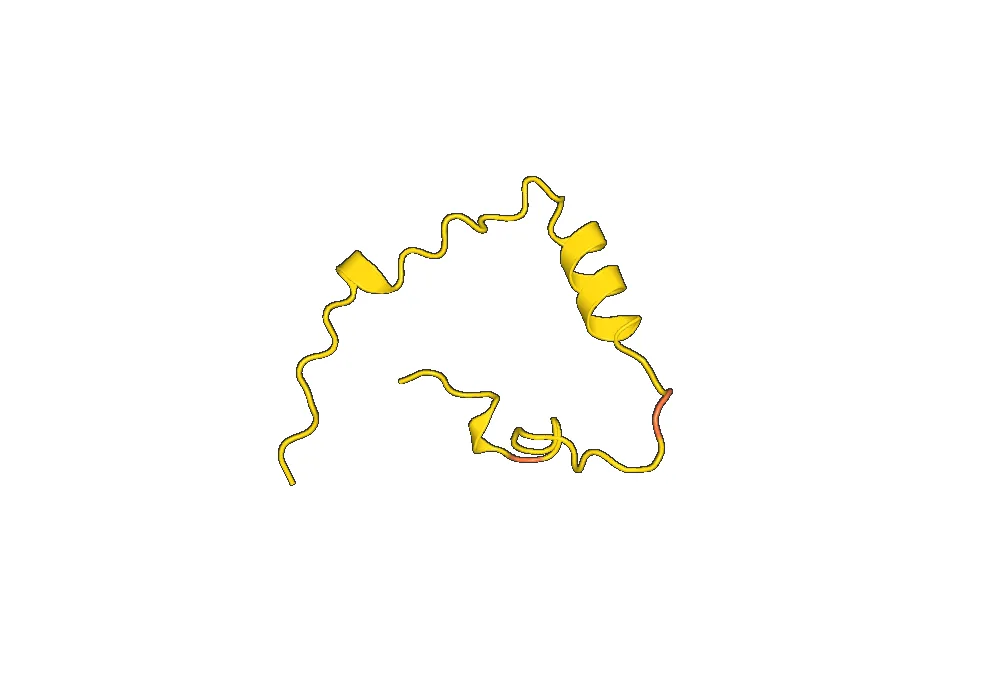
Recombinant Human MFSD8/CLN7 Protein is a transmembrane protein that consists of 518 amino acids. It has a predicted molecular weight of approximately 57 kDa and contains 12 transmembrane domains. The protein has a conserved domain known as the major facilitator superfamily (MFS) domain, which is responsible for its transport activity. The structure of this protein has been studied using various techniques, including X-ray crystallography and nuclear magnetic resonance (NMR) spectroscopy.
Activity of Recombinant Human MFSD8/CLN7 Protein
Recombinant Human MFSD8/CLN7 Protein is primarily involved in the transport of small molecules, such as amino acids, nucleosides, and organic acids, across cell membranes. It acts as a secondary active transporter, utilizing the energy from the movement of other molecules to transport its substrates. This protein has been shown to have a broad substrate specificity, with a preference for neutral and cationic compounds. It has also been reported to play a role in the transport of lysosomal enzymes and proteins, suggesting its involvement in lysosomal function.
Application of Recombinant Human MFSD8/CLN7 Protein
The potential therapeutic applications of Recombinant Human MFSD8/CLN7 Protein are primarily focused on its role in neurodegenerative diseases. Mutations in the MFSD8 gene have been linked to the development of neuronal ceroid lipofuscinoses (NCLs), a group of inherited neurodegenerative disorders characterized by the accumulation of lipofuscin in neurons. These disorders have no cure and are currently managed symptomatically. However, the use of recombinant MFSD8 protein as a therapeutic agent has shown promising results in preclinical studies.
One potential application of recombinant MFSD8 protein is in the treatment of late-infantile NCL, also known as CLN7 disease. Studies have shown that the administration of recombinant MFSD8 protein can improve lysosomal function and reduce lipofuscin accumulation in cells derived from patients with CLN7 disease. This suggests that recombinant MFSD8 protein could potentially slow down or prevent disease progression in patients with CLN7 disease.
Recombinant MFSD8 protein has also been studied for its potential use in the treatment of other neurodegenerative diseases, such as Alzheimer’s and Parkinson’s disease. These diseases are characterized by the accumulation of toxic proteins in the brain, leading to neuronal death. As MFSD8 plays a role in lysosomal function, it has been proposed that recombinant MFSD8 protein could help in clearing these toxic proteins and prevent their accumulation, thus potentially slowing down disease progression.
In addition to its therapeutic applications, recombinant MFSD8 protein also has potential uses in research. It can be used as an antigen in the development of diagnostic tests for NCLs, allowing for early detection and treatment of these diseases. Furthermore, recombinant MFSD8 protein can also be used in structural and functional studies to gain a better understanding of its role in various cellular processes.
Conclusion
Recombinant Human MFSD8/CLN7 Protein is a transmembrane protein that plays a crucial role in the transport of molecules across cell membranes. Its potential therapeutic applications in neurodegenerative diseases, particularly CLN7 disease, make it an important protein for further research and development. With its

There are no reviews yet.