Introduction
Recombinant proteins have become a crucial tool in the field of biomedical research and drug development. These proteins are produced through genetic engineering techniques, where the DNA sequence of interest is inserted into a host organism, such as bacteria or yeast, to produce large quantities of the desired protein. One such recombinant protein that has gained significant attention is the Recombinant Human NGRN Protein.
Structure of Recombinant Human NGRN Protein
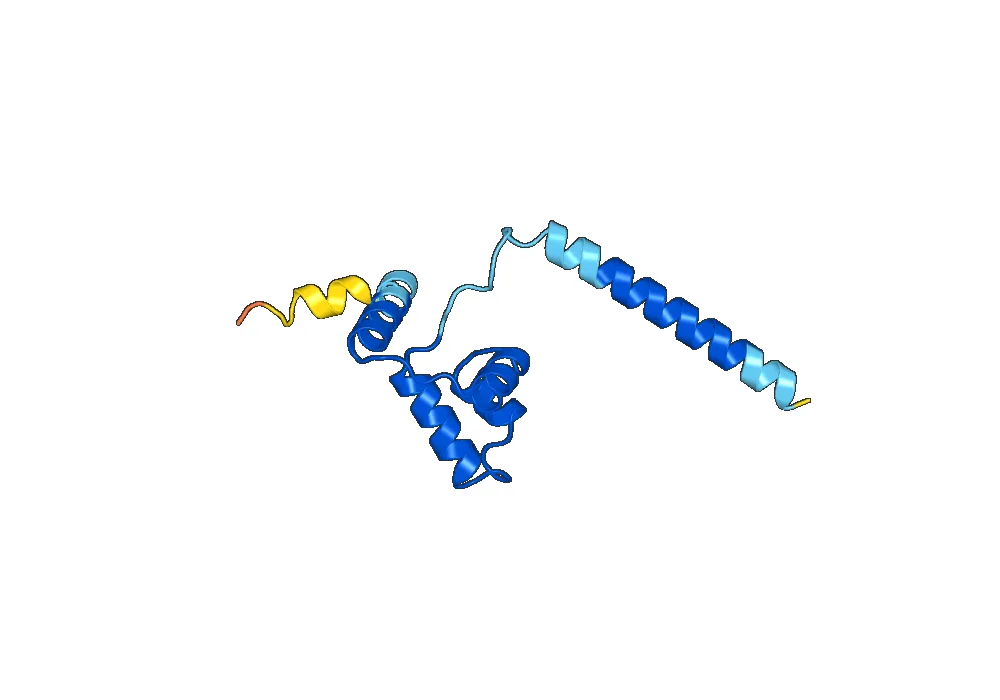
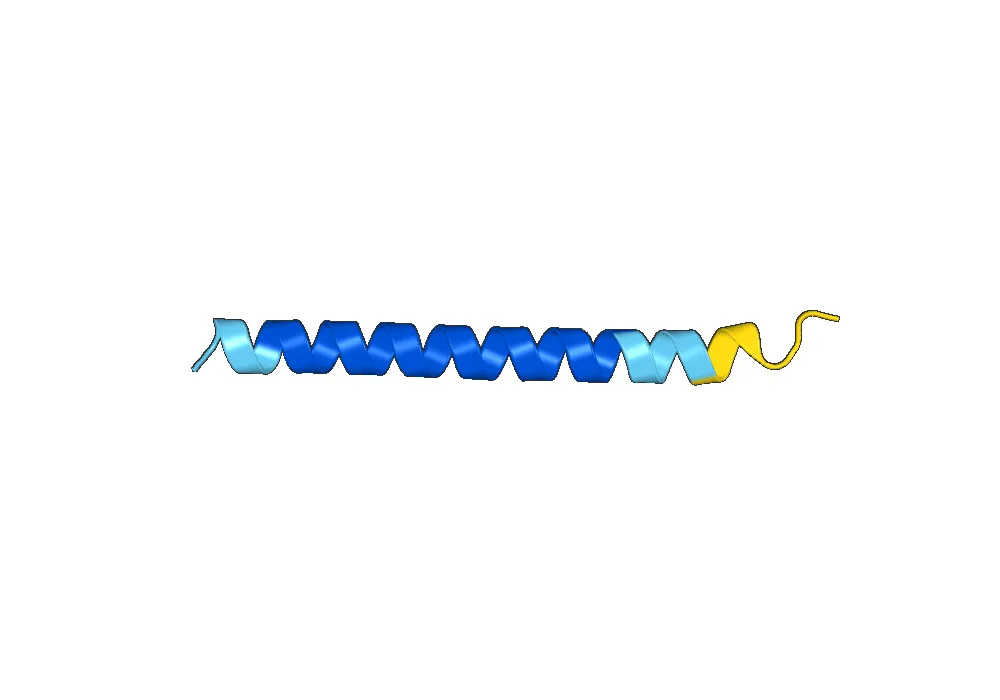
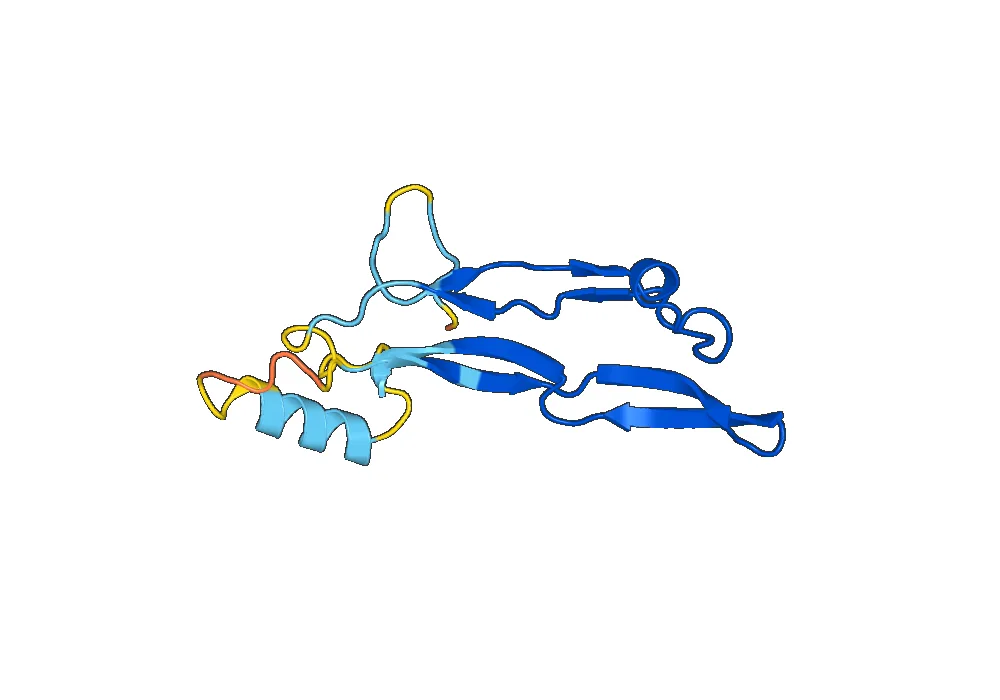
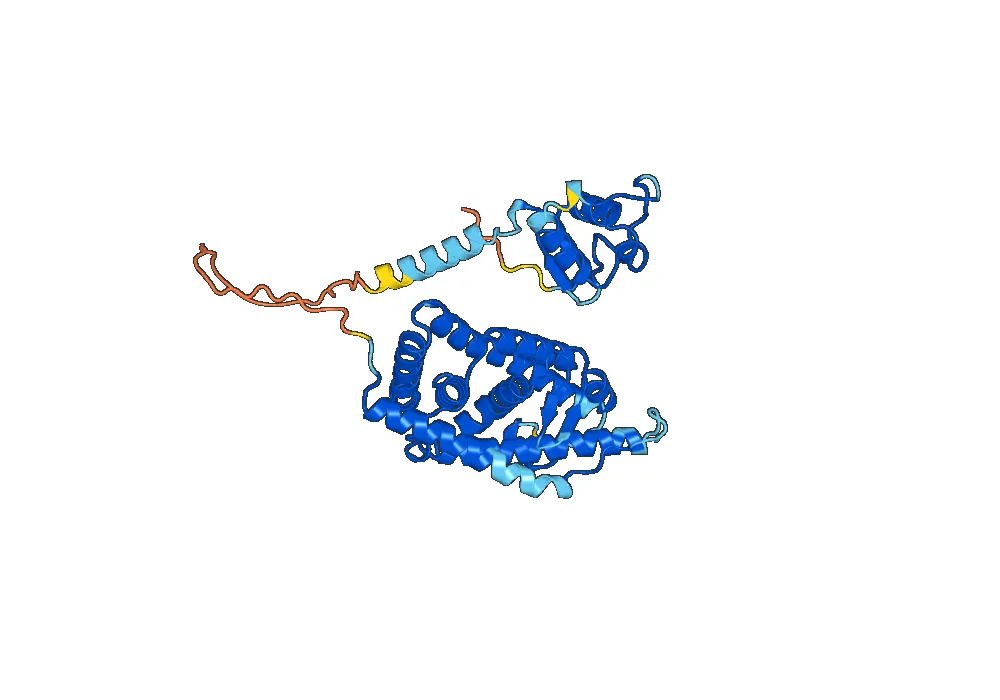
The Recombinant Human NGRN Protein is a 25 kDa glycoprotein that belongs to the NGR family of proteins. It is composed of 219 amino acids and contains a single N-terminal signal peptide, a propeptide region, and a C-terminal mature protein region. The protein is highly conserved among different species, with 96% sequence identity between human and mouse NGRN proteins.
Activity of Recombinant Human NGRN Protein
The main function of Recombinant Human NGRN Protein is to regulate the activity of transforming growth factor-beta (TGF-β) family members. It acts as a co-receptor for TGF-β and bone morphogenetic proteins (BMPs), enhancing their signaling activity. This protein also plays a role in cell adhesion and migration, making it an essential component of tissue development and repair processes.
Application of Recombinant Human NGRN Protein
Due to its diverse functions, Recombinant Human NGRN Protein has been studied extensively for its potential applications in various fields.
Antigen for Cancer Immunotherapy
One of the most promising applications of Recombinant Human NGRN Protein is its use as an antigen for cancer immunotherapy. This protein is overexpressed in various types of cancer, including breast, lung, and colon cancer. Studies have shown that NGRN-specific antibodies can effectively target and kill cancer cells, making it a potential target for developing cancer vaccines or immunotherapies.
Wound Healing and Tissue Repair
Recombinant Human NGRN Protein is also being investigated for its role in wound healing and tissue repair. It has been shown to promote cell migration and adhesion, which are crucial processes in wound healing. Additionally, this protein has been found to enhance the activity of TGF-β, a key regulator of tissue repair processes. Therefore, it has the potential to be used in the development of new therapies for chronic wounds and tissue injuries.
Neurological Disorders
Recent studies have also shown that Recombinant Human NGRN Protein may have a role in the treatment of neurological disorders. It has been found to promote the differentiation of neural stem cells into neurons and enhance their survival. This protein also has neuroprotective properties, making it a potential therapeutic target for neurodegenerative diseases such as Alzheimer’s and Parkinson’s.
Biomarker for Cardiovascular Diseases
Another potential application of Recombinant Human NGRN Protein is as a biomarker for cardiovascular diseases. It has been found to be highly expressed in the endothelium of blood vessels, and its levels have been correlated with the severity of atherosclerosis. Therefore, it could serve as a diagnostic or prognostic biomarker for cardiovascular diseases.
Other Applications
In addition to the above-mentioned applications, Recombinant Human NGRN Protein has also been studied for its role in bone metabolism, angiogenesis, and immune regulation. It has the potential to be used in the development of novel therapies for these conditions.
Conclusion</h


There are no reviews yet.