Introduction
Recombinant Human NLRX1 Protein, also known as NOD-like receptor X1, is a protein that plays a crucial role in the innate immune response. It is a member of the NOD-like receptor (NLR) family, which are cytosolic pattern recognition receptors (PRRs) involved in recognizing and responding to pathogen-associated molecular patterns (PAMPs). NLRX1 is involved in regulating various cellular processes, including inflammation, apoptosis, and autophagy. In this article, we will discuss the structure, activity, and applications of Recombinant Human NLRX1 Protein.
Structure of Recombinant Human NLRX1 Protein
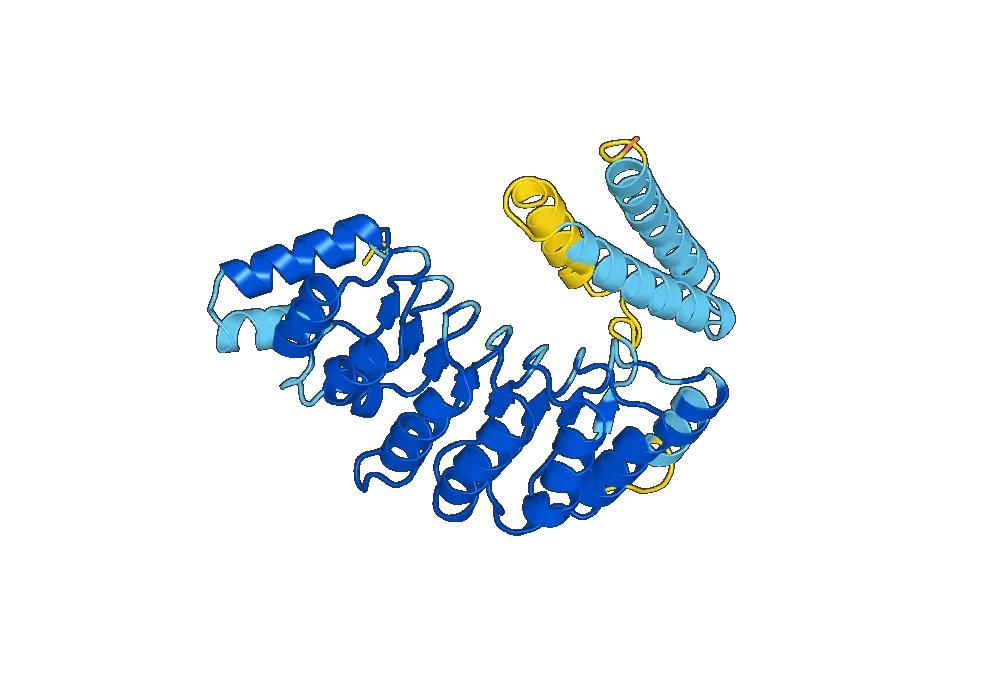
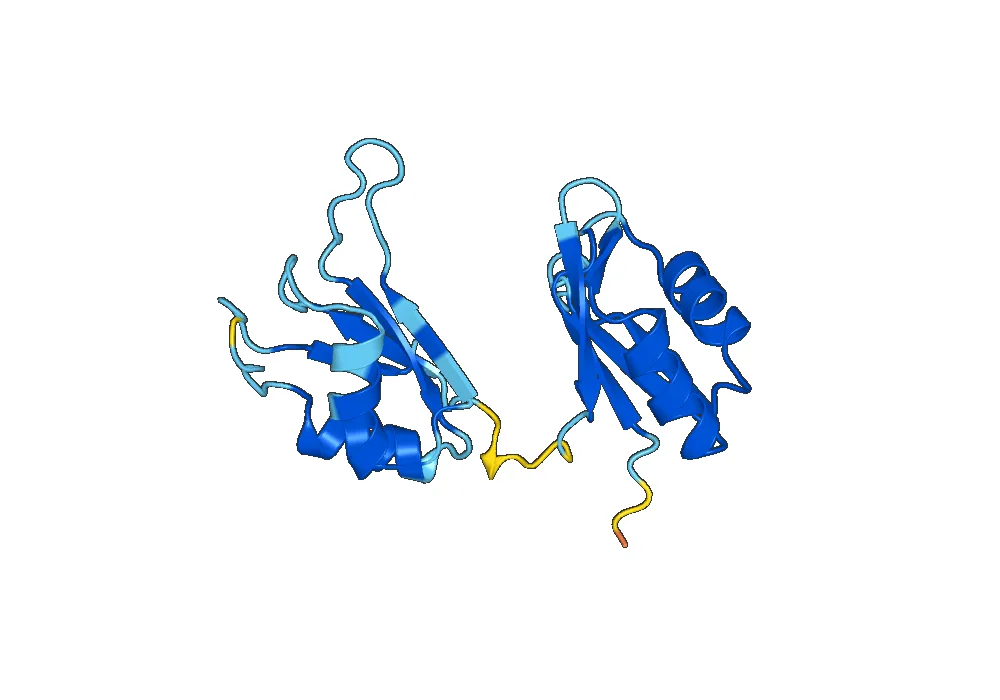
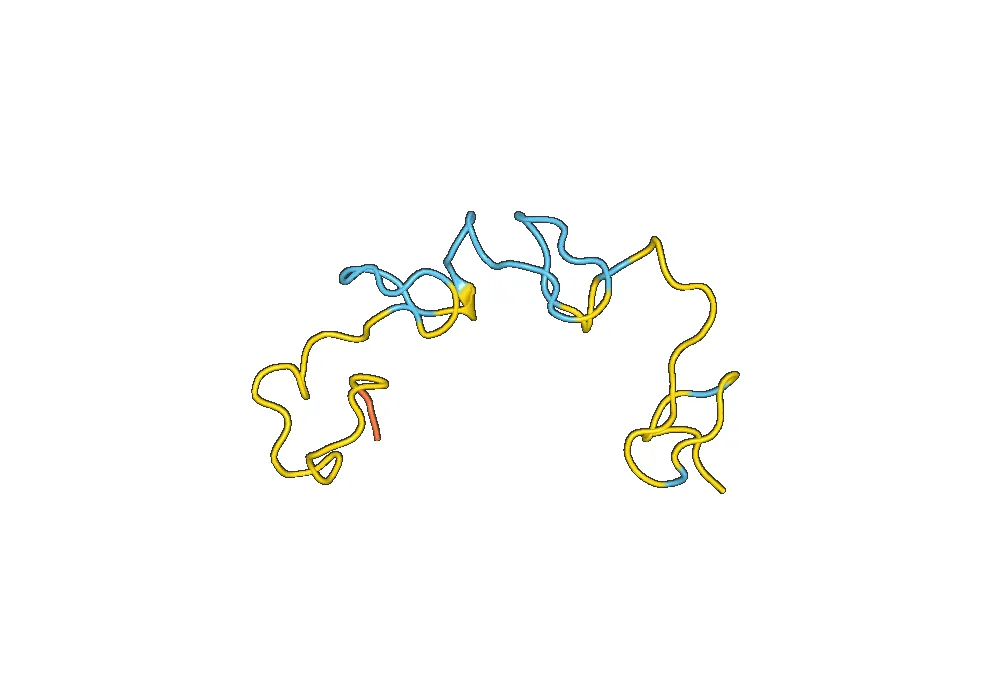
NLRX1 is a 108 kDa protein that consists of 977 amino acids. It contains an N-terminal caspase recruitment domain (CARD), a central nucleotide-binding and oligomerization domain (NOD), and a C-terminal leucine-rich repeat (LRR) domain. The CARD domain is responsible for protein-protein interactions, while the NOD domain binds to nucleotides and mediates oligomerization. The LRR domain is involved in ligand recognition and downstream signaling.
Activity of Recombinant Human NLRX1 Protein
NLRX1 is primarily expressed in the mitochondria and has been shown to regulate mitochondrial dynamics and function. It acts as a negative regulator of the innate immune response by inhibiting the production of pro-inflammatory cytokines and type I interferons. NLRX1 accomplishes this by interacting with key signaling molecules, such as the mitochondrial antiviral signaling protein (MAVS) and the TNF receptor-associated factor 3 (TRAF3). These interactions prevent the activation of downstream signaling pathways, such as the NF-κB and IRF3 pathways, which are responsible for the production of pro-inflammatory cytokines and type I interferons, respectively.
NLRX1 also plays a role in regulating autophagy, a cellular process involved in the degradation of damaged organelles and pathogens. It has been shown to interact with the autophagy protein Beclin-1, leading to the inhibition of autophagy. This suggests that NLRX1 may play a role in regulating the balance between inflammation and autophagy in response to infection.
Applications of Recombinant Human NLRX1 Protein
Recombinant Human NLRX1 Protein has various applications in both basic research and clinical settings. It can be used to study the role of NLRX1 in regulating the innate immune response and its interactions with other signaling molecules. It can also be used to investigate the role of NLRX1 in mitochondrial dynamics and autophagy.
In addition, NLRX1 has been implicated in several diseases, including autoimmune disorders, infectious diseases, and cancer. Therefore, Recombinant Human NLRX1 Protein can be used to study the potential therapeutic effects of targeting NLRX1 in these diseases. For example, in autoimmune disorders, NLRX1 may be a potential target for reducing inflammation and preventing tissue damage. In infectious diseases, targeting NLRX1 may enhance the immune response and aid in pathogen clearance. In cancer, NLRX1 may play a role in tumor growth and progression, making it a potential target for cancer therapy.
Conclusion
Recombinant Human NLRX1 Protein is a key player in the innate immune response, regulating inflammation, autophagy, and mitochondrial function. Its structure and activity make it an important protein for understanding the mechanisms of the innate immune response and its dysregulation in various diseases. With its potential applications in both basic research and clinical settings, Recombinant Human NLRX1 Protein is a valuable tool for studying and potentially targeting NLRX1 in disease.


There are no reviews yet.