Introduction
Recombinant Human NMT1 Protein, also known as N-myristoyltransferase 1, is a recombinant protein that plays a crucial role in the post-translational modification of proteins. It is a highly conserved enzyme found in all eukaryotic cells and is responsible for catalyzing the transfer of myristic acid to the N-terminal glycine residue of various proteins. This modification, known as myristoylation, is essential for the proper functioning of many proteins involved in signal transduction, membrane targeting, and protein-protein interactions.
Structure of Recombinant Human NMT1 Protein
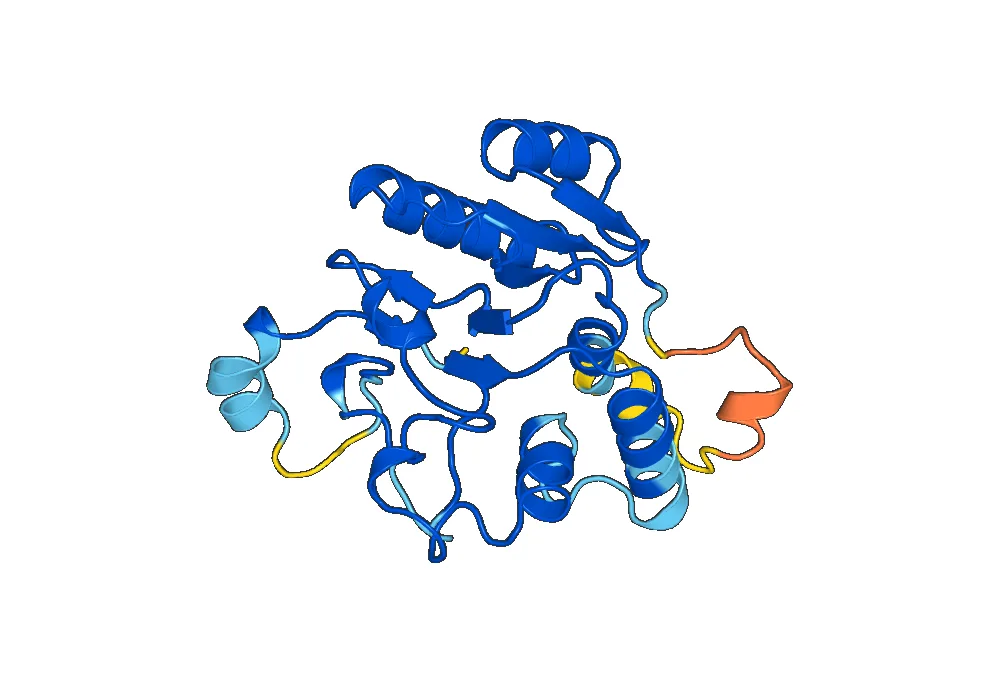
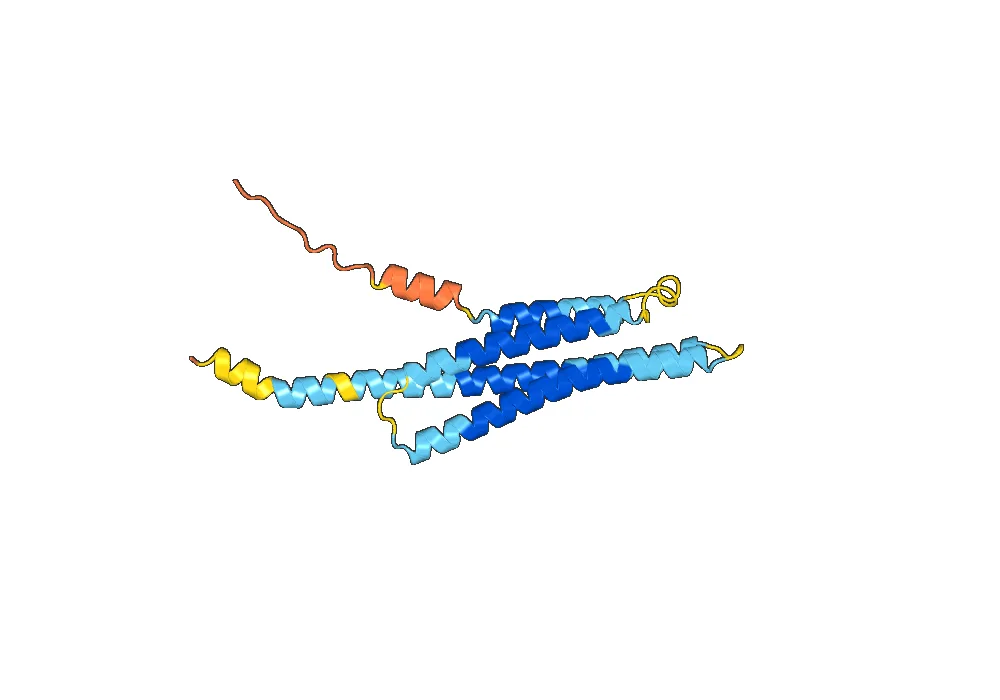
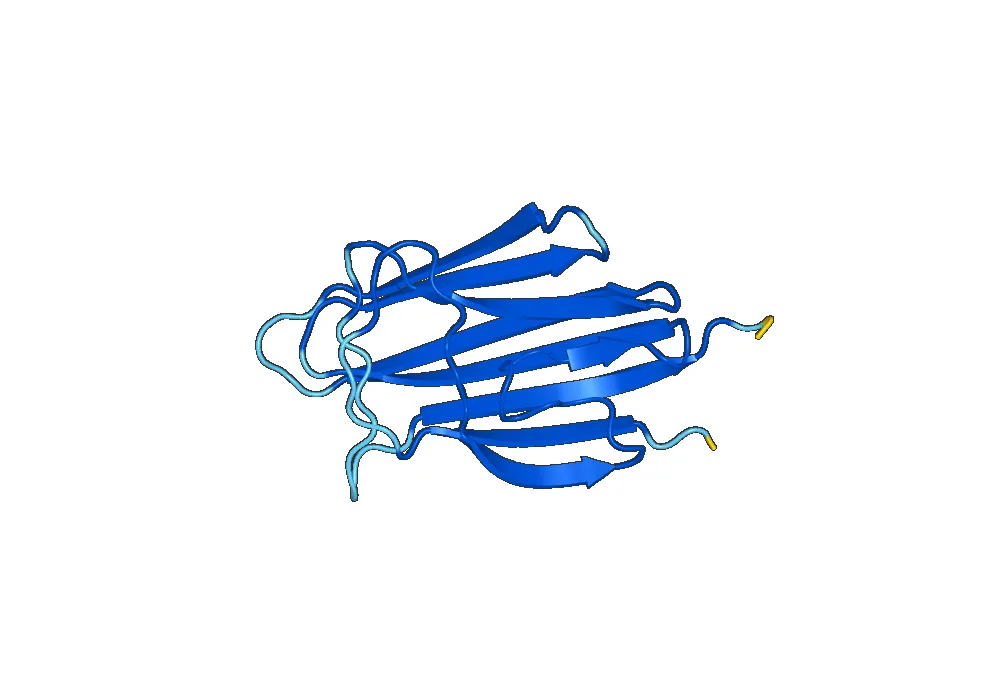
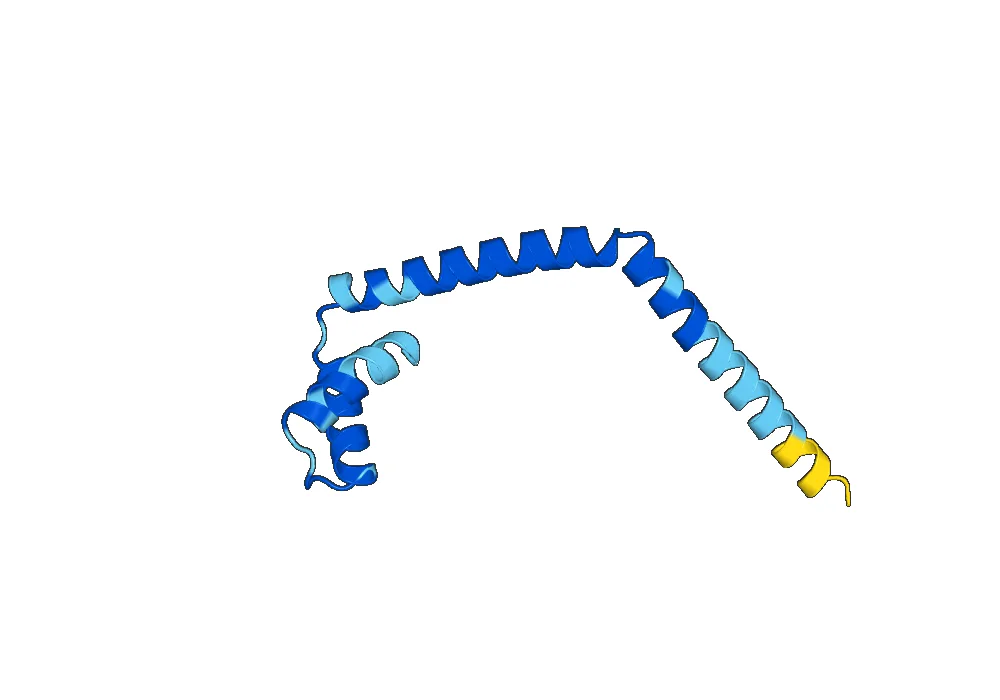
The recombinant form of NMT1 protein is a 51 kDa protein consisting of 456 amino acids. It contains a highly conserved catalytic domain, which is responsible for the transfer of myristic acid, and a less conserved N-terminal domain, which is believed to play a regulatory role in the enzyme’s activity. The crystal structure of recombinant human NMT1 protein has been determined, revealing a homodimeric structure with each monomer containing a central beta-sheet surrounded by alpha-helices.
Activity of Recombinant Human NMT1 Protein
The main activity of recombinant human NMT1 protein is the transfer of myristic acid to the N-terminal glycine residue of target proteins. This process is essential for the proper localization and function of many proteins, including G-proteins, kinases, and transcription factors. The enzyme has a high specificity for glycine residues and can transfer myristic acid to a variety of proteins, making it a crucial player in many cellular processes.
In addition to its role in protein myristoylation, recombinant human NMT1 protein has also been shown to have other activities. It has been found to have acetyltransferase activity, acetylating the N-terminal glycine residue of some proteins. This activity may play a role in regulating the myristoylation process or have other functions yet to be discovered.
Application of Recombinant Human NMT1 Protein
Recombinant human NMT1 protein has a wide range of applications in both research and industry. It is commonly used in in vitro studies to investigate the role of myristoylation in various cellular processes. The recombinant protein can be used to myristoylate target proteins in a controlled manner, allowing for the study of its effects on protein function and localization.
In the biotechnology industry, recombinant human NMT1 protein is used for the production of myristoylated proteins for therapeutic purposes. Myristoylation has been shown to improve the stability and efficacy of certain proteins, making them attractive targets for drug development. By using recombinant NMT1 protein, these proteins can be modified in a controlled and efficient manner, increasing their potential for medical applications.
Furthermore, recombinant human NMT1 protein has been implicated in various diseases, making it a potential target for drug development. Studies have shown that NMT1 plays a role in the replication of viruses such as HIV, making it a potential target for antiviral drugs. In addition, mutations in the NMT1 gene have been linked to certain types of cancer, making the enzyme a potential target for cancer treatment.
Conclusion
In summary, recombinant human NMT1 protein is a crucial enzyme involved in the post-translational modification of proteins. Its ability to transfer myristic acid to target proteins plays a crucial role in many cellular processes and has a wide range of applications in research and industry. Further studies on this enzyme


There are no reviews yet.