Introduction
Recombinant Human NPC2 Protein, also known as Niemann-Pick disease type C2 protein, is a 151 amino acid protein that plays a crucial role in cholesterol trafficking and metabolism. This protein is encoded by the NPC2 gene and is found in various tissues and organs, including the brain, liver, and spleen. Recombinant Human NPC2 Protein is widely used in scientific research and has potential applications in the diagnosis and treatment of certain diseases.
Structure of Recombinant Human NPC2 Protein
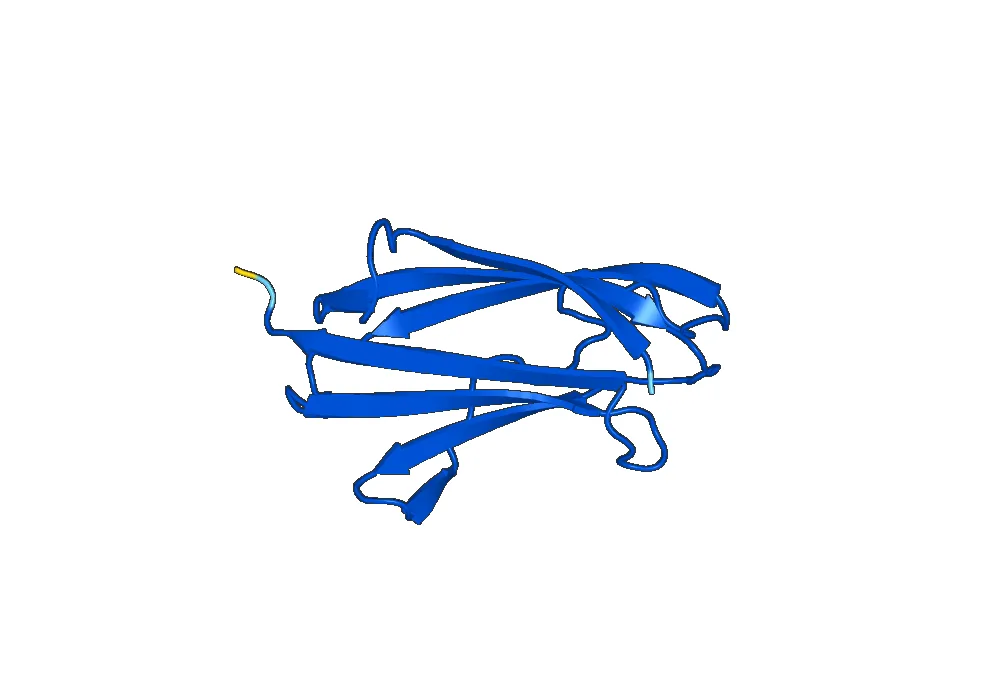
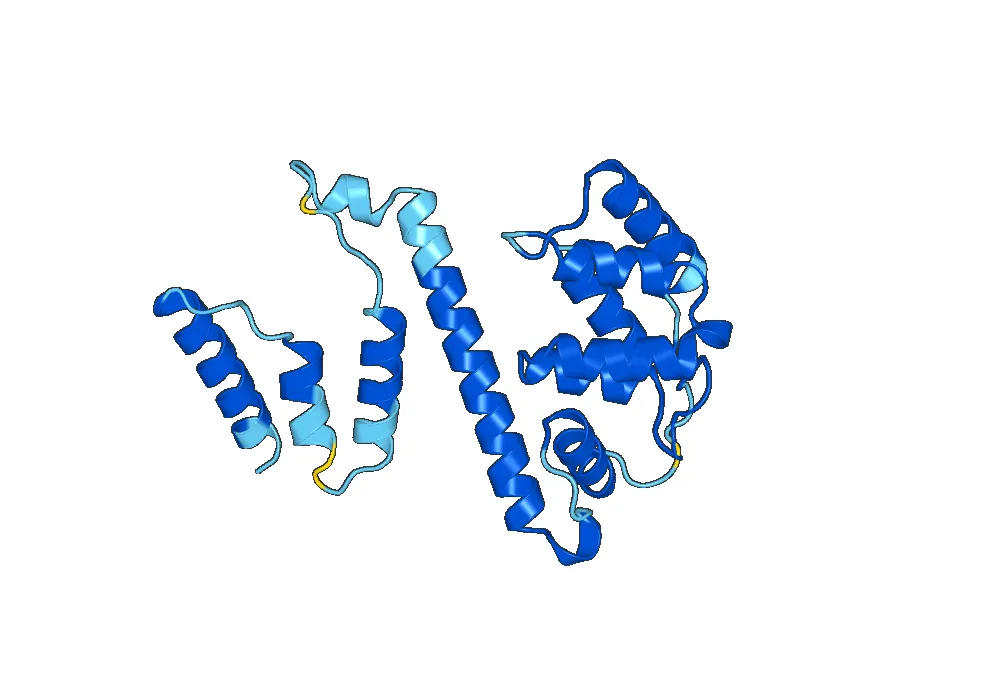
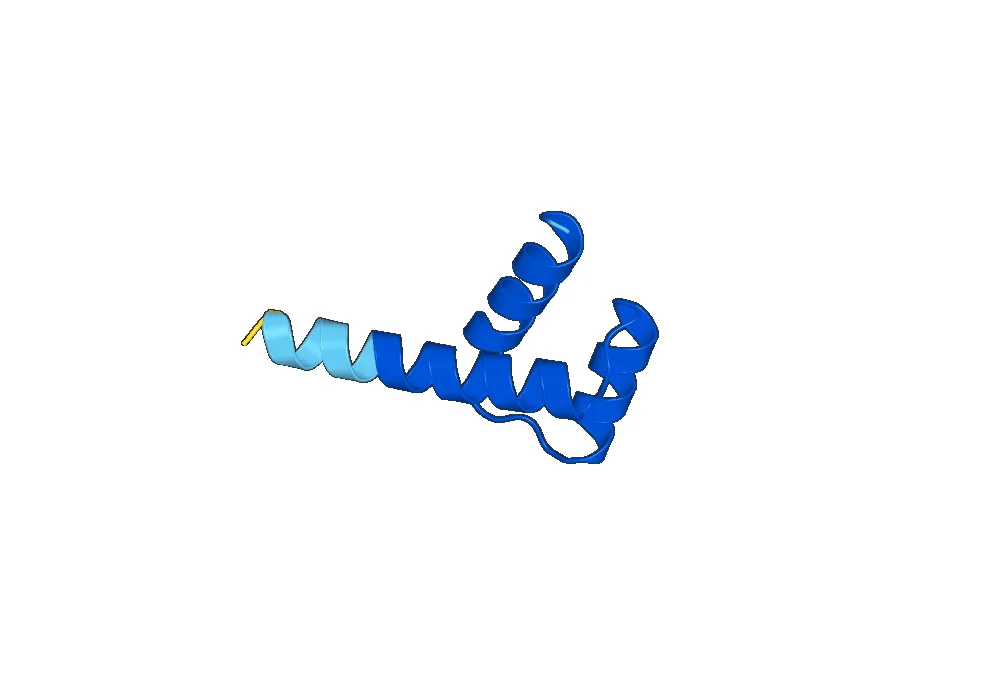
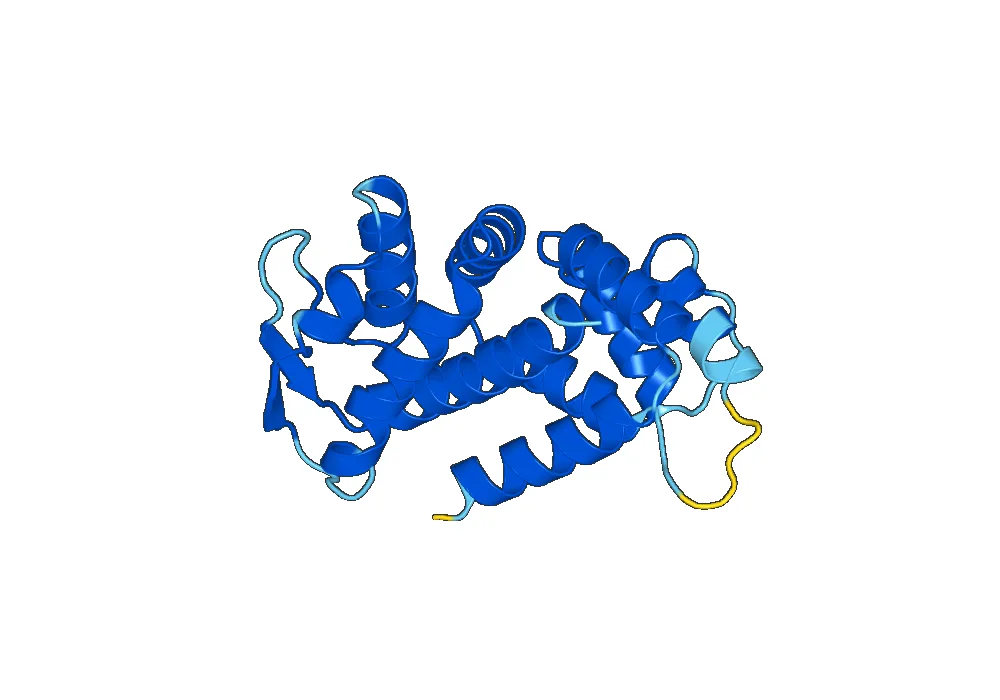
The structure of Recombinant Human NPC2 Protein is composed of two domains: a hydrophobic pocket and a β-sheet domain. The hydrophobic pocket is responsible for binding cholesterol, while the β-sheet domain is involved in protein-protein interactions. This protein also contains several conserved cysteine residues that are essential for its function. Recombinant Human NPC2 Protein is produced through recombinant DNA technology, where the NPC2 gene is inserted into a host organism, such as bacteria or yeast, to produce large quantities of the protein.
Activity of Recombinant Human NPC2 Protein
Recombinant Human NPC2 Protein plays a critical role in the regulation of cholesterol homeostasis. It functions as a cholesterol transporter, binding to free cholesterol and facilitating its transport from the lysosomes to the endoplasmic reticulum. This process is crucial for maintaining proper cellular cholesterol levels and preventing the accumulation of cholesterol in the lysosomes, which can lead to diseases such as Niemann-Pick type C. Recombinant Human NPC2 Protein also has anti-inflammatory properties and has been shown to inhibit the production of pro-inflammatory cytokines in immune cells.
Application of Recombinant Human NPC2 Protein
Recombinant Human NPC2 Protein has a wide range of applications in scientific research and potential therapeutic uses. It is commonly used as an antigen in immunoassays to detect the presence of antibodies against NPC2 protein in patient samples. This can aid in the diagnosis of Niemann-Pick type C disease, a rare genetic disorder characterized by abnormal cholesterol metabolism and accumulation of lipids in various organs. Recombinant Human NPC2 Protein is also used in structural studies to understand its role in cholesterol trafficking and metabolism.
In addition, Recombinant Human NPC2 Protein has potential therapeutic applications in the treatment of certain diseases. Studies have shown that this protein can improve cholesterol metabolism and reduce inflammation in animal models of atherosclerosis, a condition characterized by the buildup of cholesterol in the arteries. It has also been investigated as a potential treatment for Niemann-Pick type C disease, as it can restore normal cholesterol levels and reduce the accumulation of lipids in the lysosomes of affected cells.
Conclusion
Recombinant Human NPC2 Protein is a crucial protein involved in cholesterol trafficking and metabolism. Its structure consists of a hydrophobic pocket and a β-sheet domain, and it is produced through recombinant DNA technology. This protein has various activities, including cholesterol transport and anti-inflammatory properties. It is widely used in scientific research and has potential applications in the diagnosis and treatment of diseases related to cholesterol metabolism, such as Niemann-Pick type C disease and atherosclerosis. Further studies on Recombinant Human NPC2 Protein may lead to a better understanding of its role in cholesterol homeostasis and the development of new therapeutic options for related diseases.

There are no reviews yet.