Introduction to Recombinant Human PLB1
Recombinant Human PLB1, also known as Phospholipase B1, is a protein that plays a crucial role in the hydrolysis of phospholipids in the cell membrane. This enzyme is produced through recombinant DNA technology, making it a valuable tool in various scientific and medical applications. In this article, we will explore the structure, activity, and potential applications of Recombinant Human PLB1.
Structure of Recombinant Human PLB1
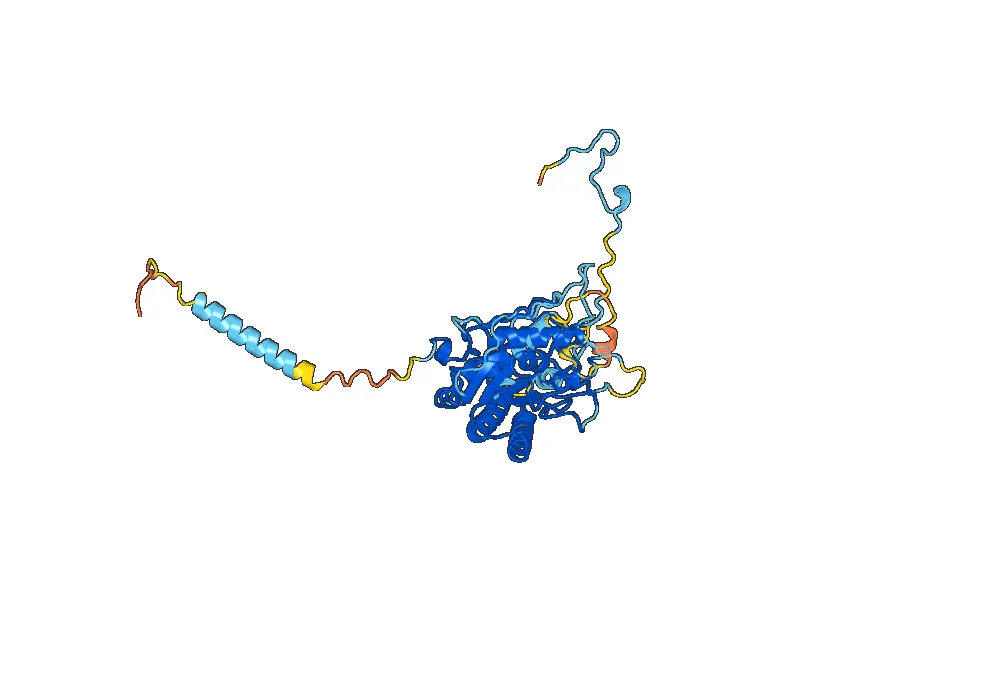
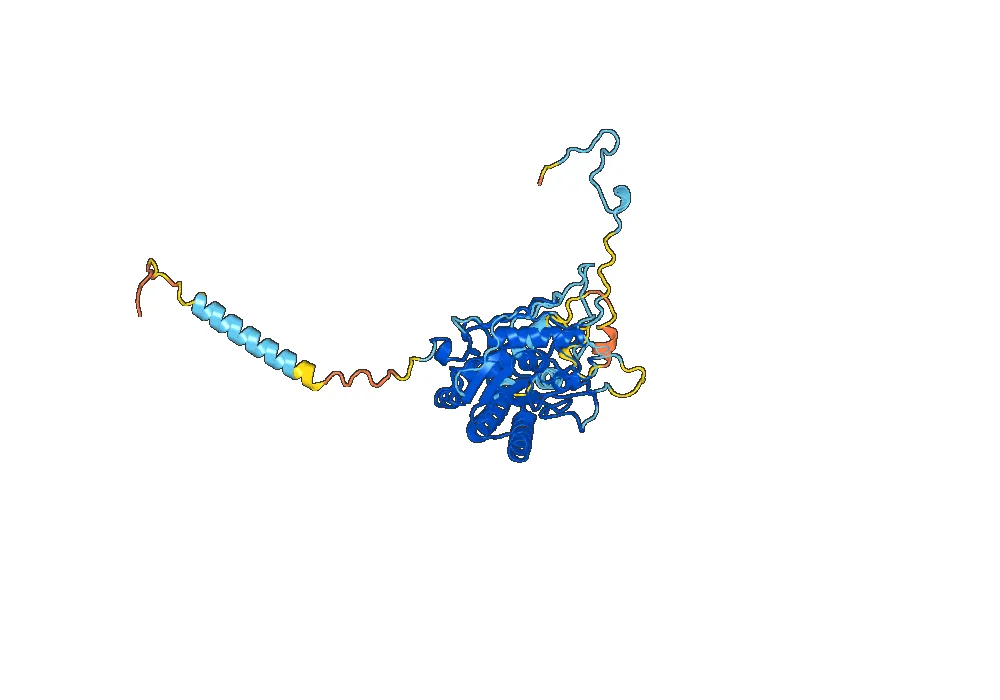
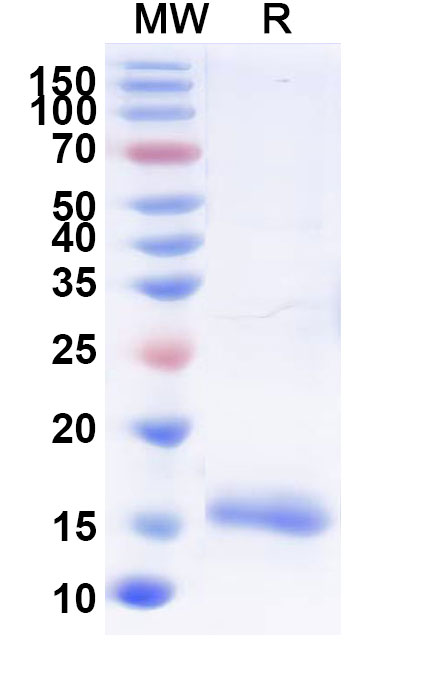
Recombinant Human PLB1 is a 103 kDa protein consisting of 899 amino acids. It belongs to the phospholipase B family, which includes enzymes that hydrolyze both ester and amide bonds of phospholipids. The primary structure of PLB1 contains a catalytic domain, a lid domain, and a C-terminal domain. The catalytic domain is responsible for the enzyme’s hydrolytic activity, while the lid domain regulates the access of substrates to the active site. The C-terminal domain is involved in the binding of the enzyme to the cell membrane.
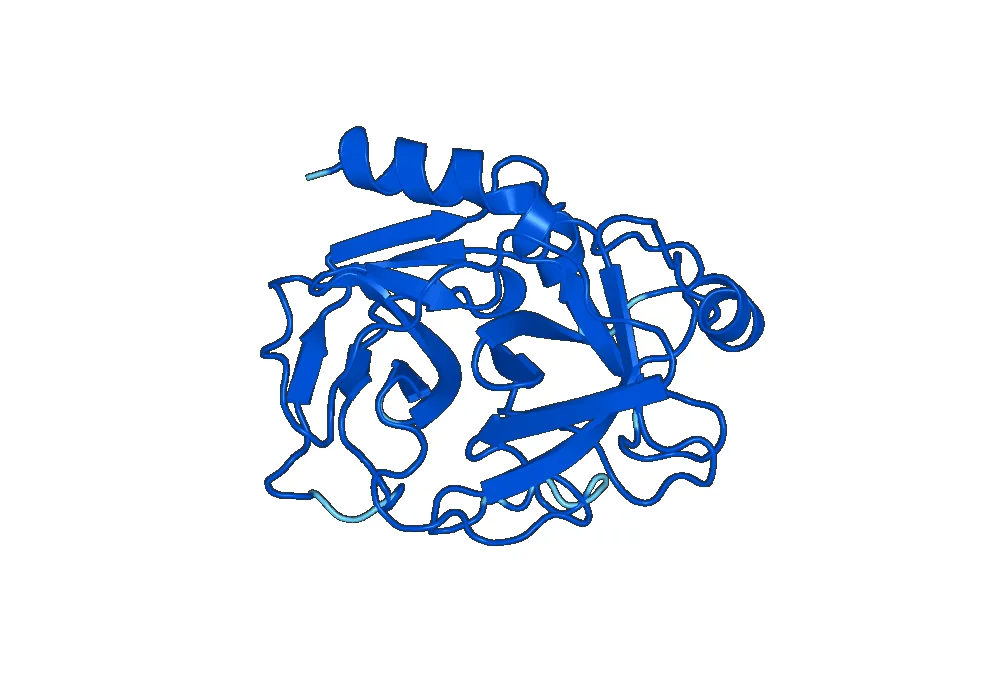
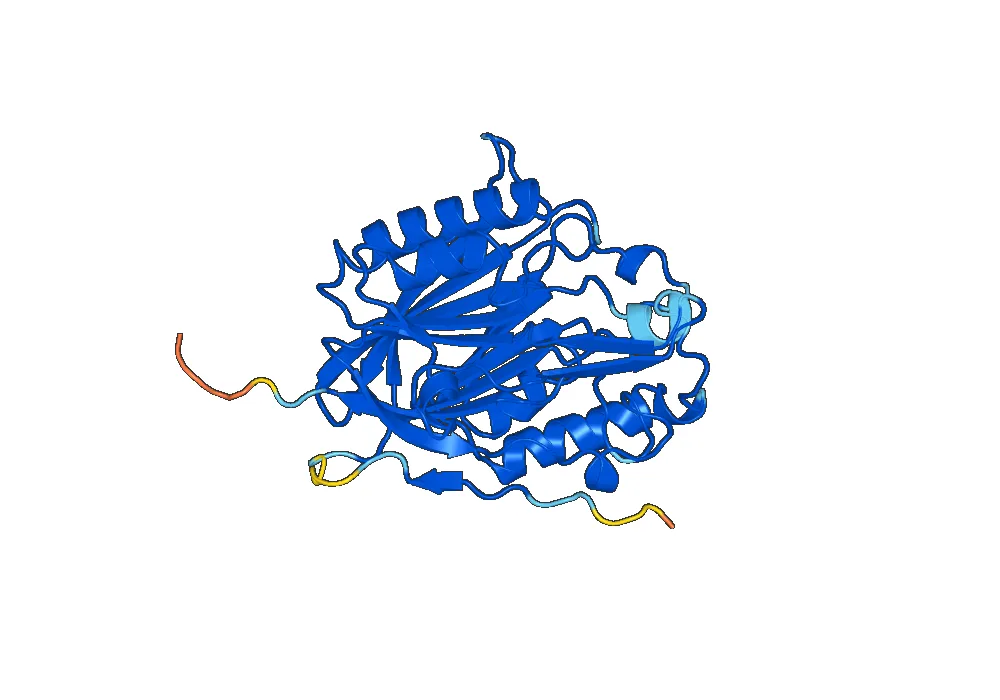
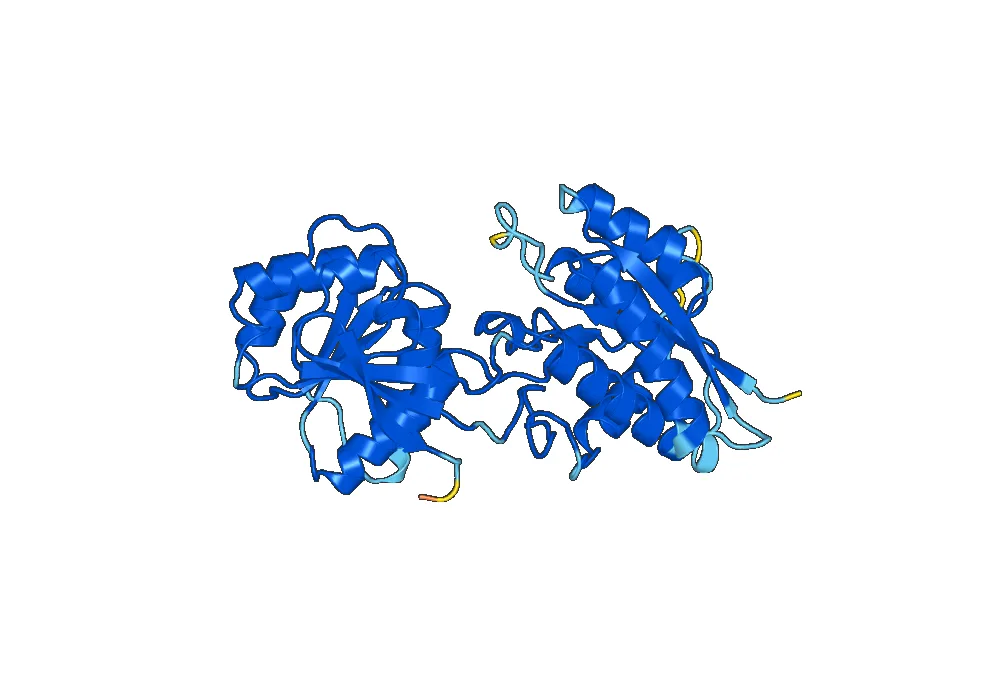
The three-dimensional structure of Recombinant Human PLB1 has been determined through X-ray crystallography. It has a unique fold, with a central β-sheet surrounded by α-helices. The active site of the enzyme is located in a deep cleft between the catalytic and lid domains. This structure is essential for the enzyme’s specificity and catalytic efficiency.
Activity of Recombinant Human PLB1
Recombinant Human PLB1 is a potent enzyme that exhibits both phospholipase A and B activities. It catalyzes the hydrolysis of phospholipids at the sn-1 position, releasing fatty acids and lysophospholipids. This activity is crucial for maintaining the integrity and fluidity of the cell membrane. PLB1 has a broad substrate specificity, with a preference for phospholipids containing unsaturated fatty acids.
The activity of Recombinant Human PLB1 is regulated by various factors, including pH, temperature, and the presence of divalent cations. The enzyme has an optimal pH of 8.0 and is active at a wide range of temperatures, from 25°C to 60°C. It also requires the presence of calcium ions for its catalytic activity.
Applications of Recombinant Human PLB1
Recombinant Human PLB1 has numerous applications in the fields of biotechnology, medicine, and research. Its ability to hydrolyze phospholipids makes it a valuable tool for studying the structure and function of cell membranes. PLB1 is also used in the production of liposomes, which are lipid vesicles widely used for drug delivery and gene therapy.
Moreover, Recombinant Human PLB1 has potential therapeutic applications. It has been shown to have anti-inflammatory effects and can modulate the immune response. PLB1 may also play a role in the development of certain diseases, making it a potential target for drug discovery.
Lastly, Recombinant Human PLB1 is used in the production of diagnostic kits for the detection of specific antibodies. The enzyme is used as an antigen in immunoassays to detect the presence of antibodies against PLB1 in patient samples. This application is particularly useful in the diagnosis of autoimmune diseases and infections.
Conclusion
In summary, Recombinant Human PLB1 is a versatile enzyme with a unique structure and potent activity. It plays a crucial role in the hydrolysis of phospholipids and has various applications in biotechnology, medicine, and research. With ongoing studies and advancements in recombinant DNA technology, the potential uses of PLB1 continue to expand, making it a valuable tool in the scientific community.

There are no reviews yet.