Introduction
Recombinant Human PTGES2 is a protein that plays a crucial role in the regulation of inflammation and pain. This protein is encoded by the PTGES2 gene and is also known as mPGES-2 (microsomal prostaglandin E synthase-2). Recombinant Human PTGES2 is a synthetic version of this protein that is produced through genetic engineering techniques. It has a similar structure and activity as the naturally occurring protein and has various applications in the field of medicine and research.
Structure of Recombinant Human PTGES2
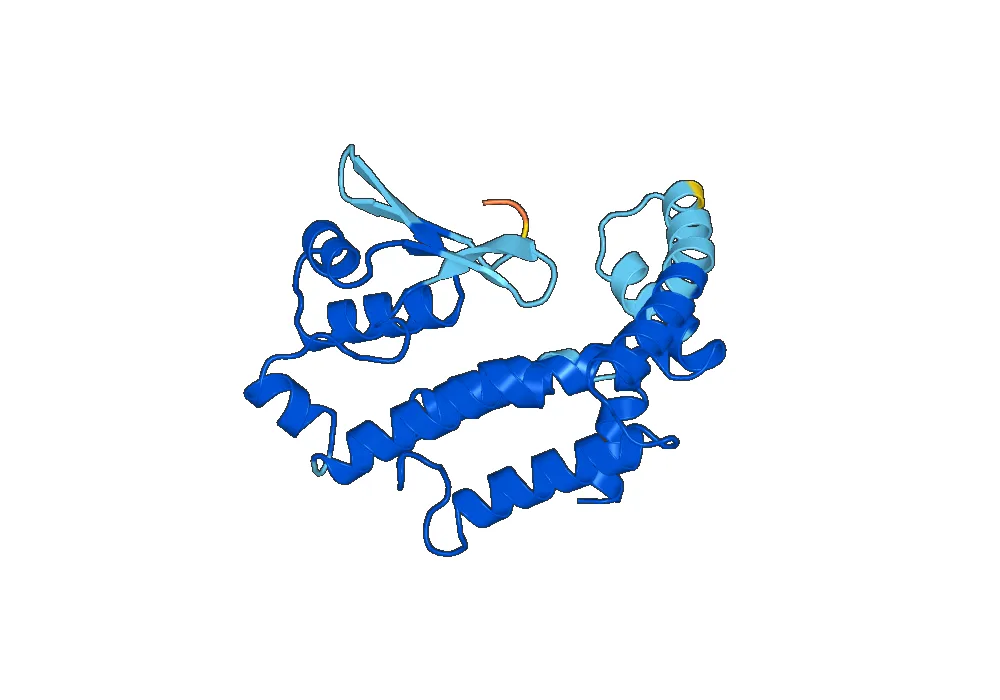
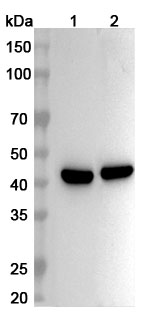
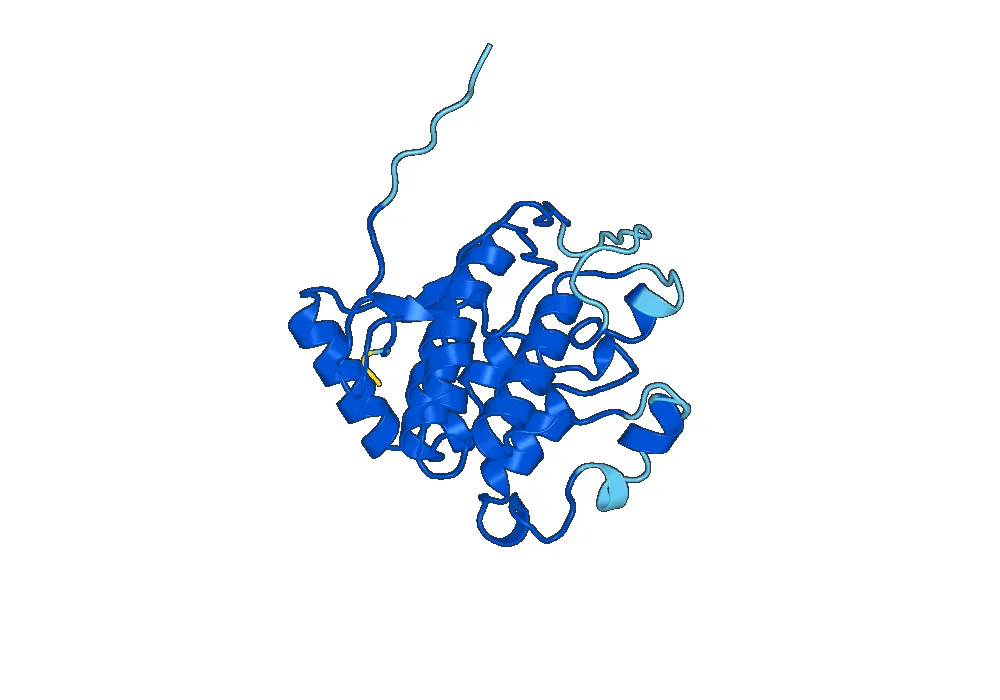
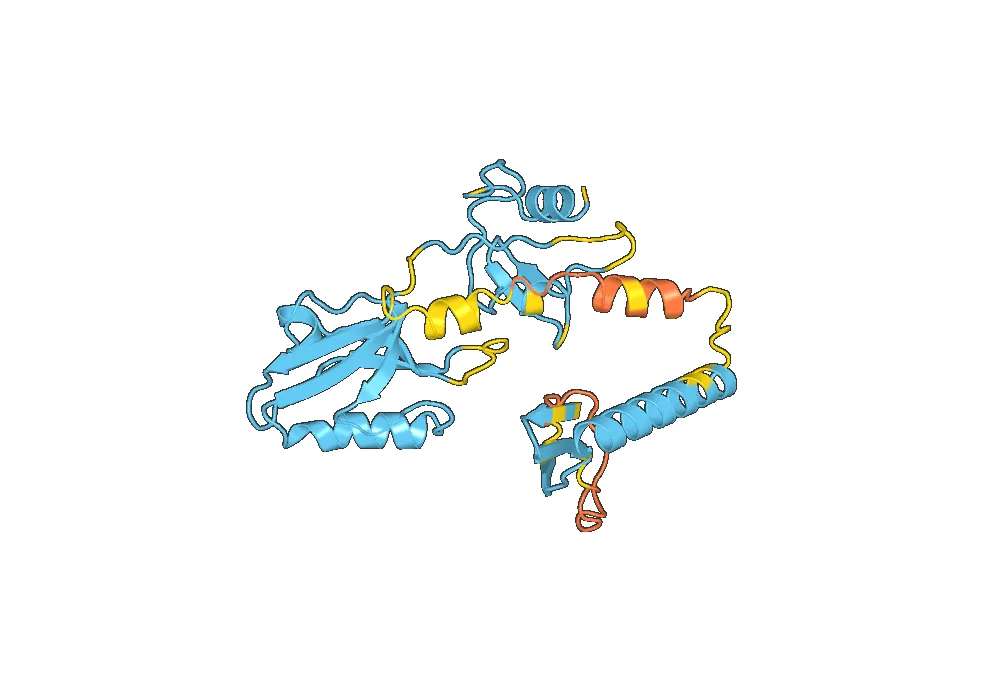
Recombinant Human PTGES2 is a 16-kDa protein that belongs to the membrane-associated proteins in eicosanoid and glutathione metabolism (MAPEG) family. It is composed of 150 amino acids and has a conserved MAPEG domain that is essential for its enzymatic activity. The protein has a transmembrane helix that anchors it to the endoplasmic reticulum (ER) membrane, with the N-terminus facing the cytoplasm and the C-terminus facing the ER lumen.
Activity of Recombinant Human PTGES2
The main function of Recombinant Human PTGES2 is to catalyze the conversion of prostaglandin H2 (PGH2) to prostaglandin E2 (PGE2), a potent pro-inflammatory mediator. This reaction is crucial in the production of PGE2, as it is the only enzyme capable of converting PGH2 to PGE2 in the ER. PGE2 is involved in various physiological processes, including inflammation, pain, and fever. Recombinant Human PTGES2 is also known to have glutathione-dependent peroxidase activity, which protects cells from oxidative damage.
Applications of Recombinant Human PTGES2
Medical Applications
Recombinant Human PTGES2 has been extensively studied for its potential therapeutic applications in various inflammatory diseases. Studies have shown that increased levels of PGE2, produced by PTGES2, are associated with chronic inflammatory diseases such as rheumatoid arthritis, osteoarthritis, and inflammatory bowel disease. Inhibiting the activity of PTGES2 can reduce the production of PGE2 and alleviate symptoms of these diseases. Therefore, Recombinant Human PTGES2 inhibitors are being developed as potential treatments for these conditions.
Diagnostic Applications
Recombinant Human PTGES2 has also been used as an antigen in diagnostic tests for the detection of autoimmune diseases. Autoantibodies against PTGES2 have been found in patients with systemic lupus erythematosus (SLE) and Sjögren’s syndrome, making it a potential biomarker for these conditions. Recombinant Human PTGES2 is used in immunoassays to detect these autoantibodies and aid in the diagnosis of these diseases.
Research Applications
Recombinant Human PTGES2 is a valuable tool in research studies aimed at understanding the role of PGE2 in various physiological processes. It is used to study the molecular mechanisms of PGE2 production and its involvement in inflammation and pain. Recombinant Human PTGES2 is also used in drug discovery and development to screen for potential inhibitors that can target PGE2 production.
Conclusion
Recombinant Human PTGES2 is a crucial enzyme involved in the production of PGE2, a potent pro-inflammatory mediator. It has a similar structure and activity as the naturally occurring protein and has various applications in the field of medicine and research. Its potential as a therapeutic target for inflammatory diseases and as a biomarker for autoimmune diseases makes it a promising protein for further studies. With the advancement of genetic engineering techniques, Recombinant Human PTGES2 is becoming more accessible and widely used in various scientific fields.

There are no reviews yet.