Introduction
Recombinant Human REEP1 Protein, also known as Receptor Expression Enhancing Protein 1, is a protein that plays a crucial role in maintaining the structure and function of the endoplasmic reticulum (ER). It is encoded by the REEP1 gene and is highly conserved among different species, including humans. In this article, we will discuss the structure, activity, and applications of Recombinant Human REEP1 Protein.
Structure of Recombinant Human REEP1 Protein
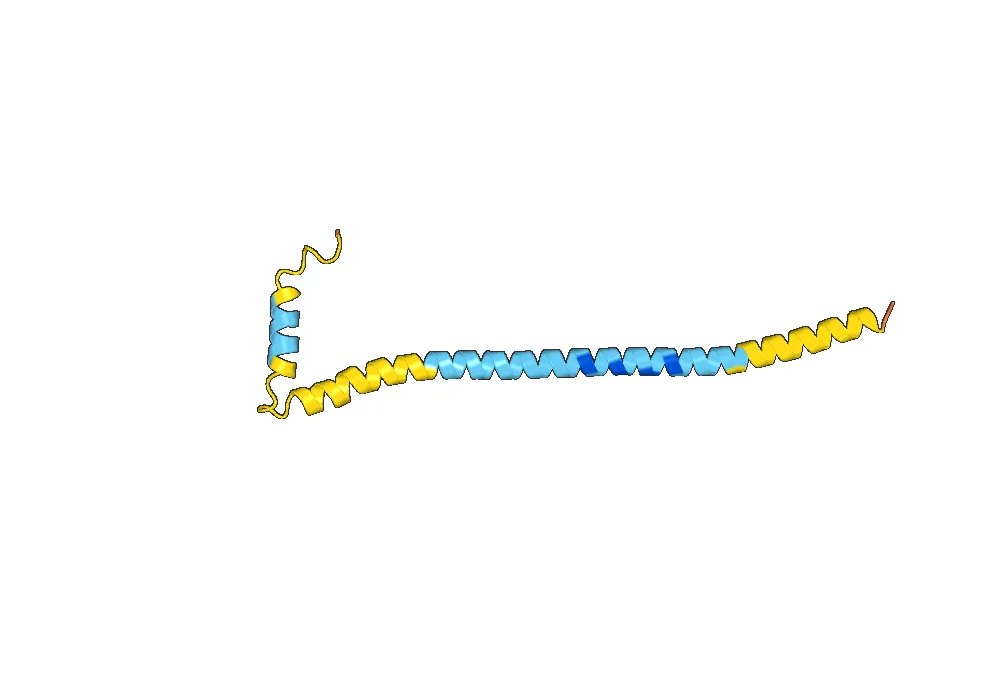
Recombinant Human REEP1 Protein is a transmembrane protein that consists of 232 amino acids. It has a predicted molecular weight of 26 kDa and contains a highly conserved N-terminal hydrophobic domain, two transmembrane domains, and a C-terminal cytoplasmic domain. The N-terminal domain is responsible for anchoring the protein to the ER membrane, while the C-terminal domain interacts with other proteins involved in ER morphology and function.
Activity of Recombinant Human REEP1 Protein
Recombinant Human REEP1 Protein is primarily involved in maintaining the structure and function of the ER. It has been shown to play a crucial role in regulating the shape and size of the ER by promoting the formation of tubular ER networks. This is achieved through its interaction with other ER shaping proteins, such as reticulons and atlastins.
In addition to its role in ER morphology, Recombinant Human REEP1 Protein also plays a role in lipid metabolism. It has been shown to interact with lipid droplets and regulate their size and distribution within the cell. This suggests that Recombinant Human REEP1 Protein may play a role in lipid homeostasis and potentially contribute to lipid-related diseases.
Application of Recombinant Human REEP1 Protein
Recombinant Human REEP1 Protein has a wide range of applications in both research and therapeutic settings. One of its main applications is in studying the structure and function of the ER. Its role in regulating ER morphology makes it a valuable tool for understanding the mechanisms behind ER-related diseases, such as neurodegenerative disorders and lipid storage diseases.
In addition, Recombinant Human REEP1 Protein has been used in drug discovery and development. As it plays a role in lipid metabolism, it has been identified as a potential target for drug development in diseases such as obesity and diabetes. Recombinant Human REEP1 Protein can also be used as a diagnostic tool for certain diseases, as mutations in the REEP1 gene have been linked to hereditary spastic paraplegia.
Furthermore, Recombinant Human REEP1 Protein has been used in the production of therapeutic antibodies. Its ability to interact with other proteins involved in ER morphology makes it a valuable tool for improving the yield and quality of recombinant proteins produced in mammalian cells. This has significant implications for the production of therapeutic proteins, as it can potentially improve their efficacy and reduce production costs.
Conclusion
In summary, Recombinant Human REEP1 Protein is a crucial protein involved in maintaining the structure and function of the ER. Its interaction with other proteins and lipids makes it a key player in ER morphology and lipid metabolism. Its wide range of applications in research and therapeutics highlights its importance in understanding and treating various diseases. Further studies on Recombinant Human REEP1 Protein may lead to the development of new treatments for ER-related diseases and improve the production of therapeutic proteins.


There are no reviews yet.