Introduction to Recombinant Human RNASE7
Recombinant Human RNASE7 is a type of recombinant protein that has been genetically engineered to mimic the natural human protein, RNASE7. This protein plays a crucial role in the innate immune system by acting as an antimicrobial agent. It is produced by various cells in the body, including skin cells, and is involved in the defense against bacterial, viral, and fungal infections. In this article, we will explore the structure, activity, and applications of Recombinant Human RNASE7.
Structure of Recombinant Human RNASE7
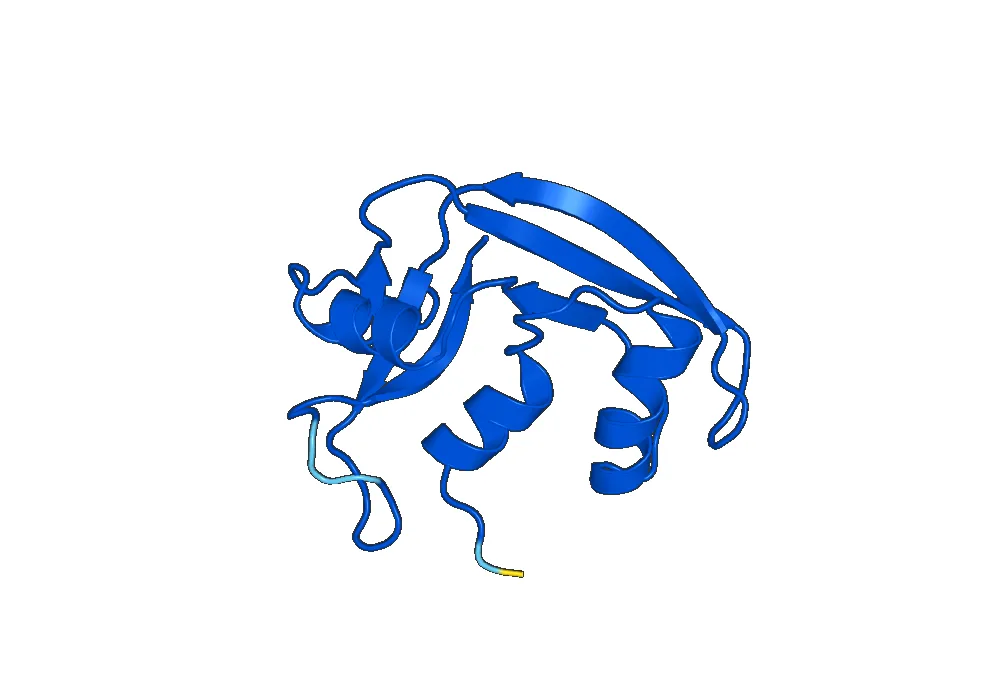
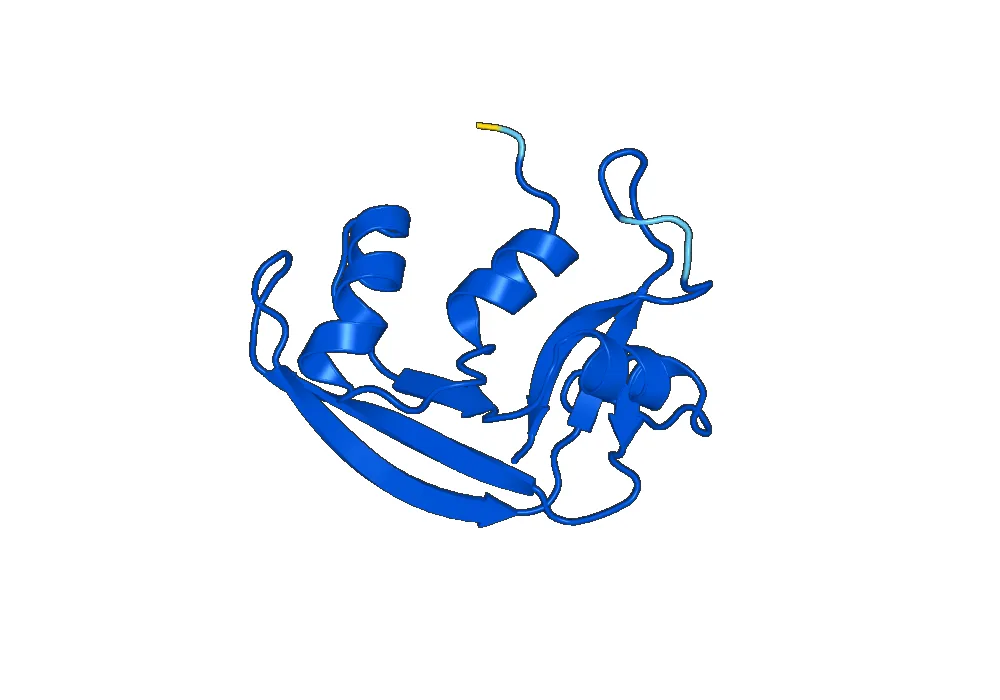
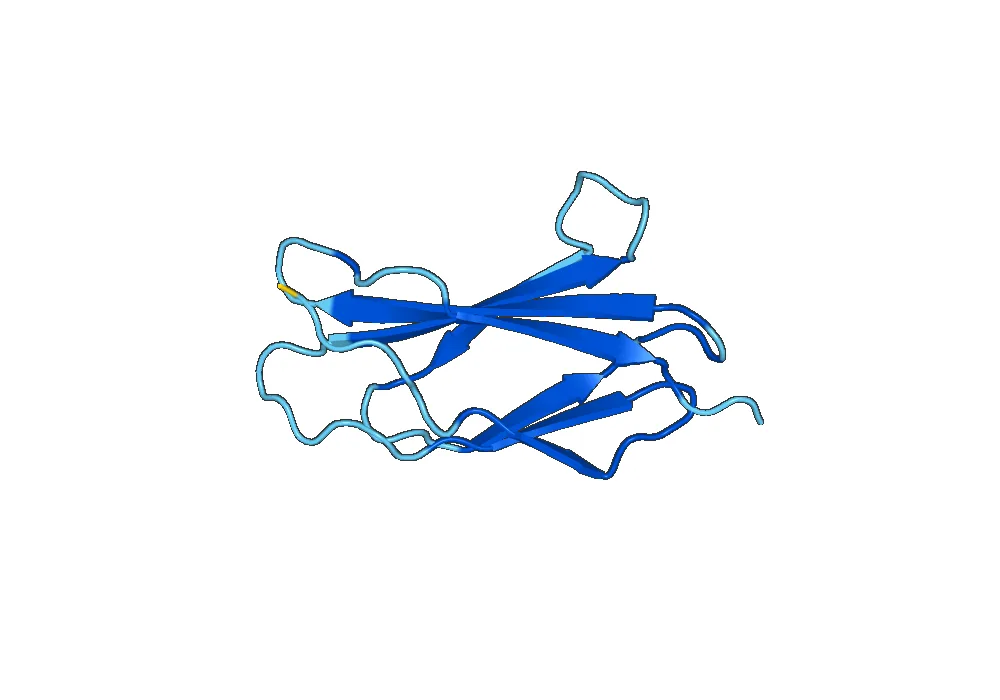
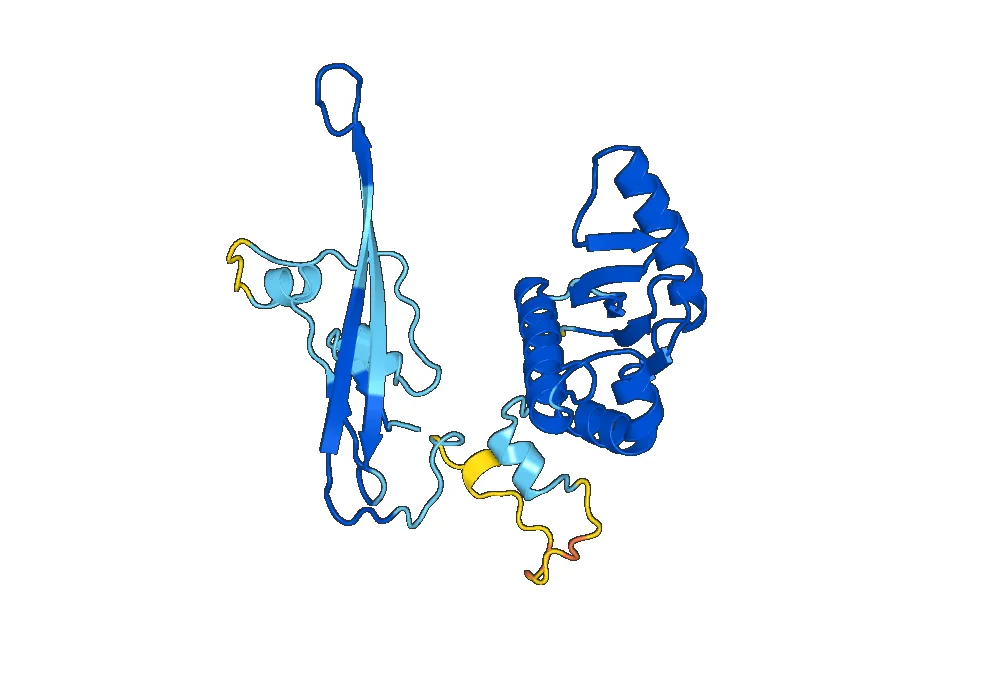
Recombinant Human RNASE7 is a small protein consisting of 102 amino acids. It has a molecular weight of approximately 11.6 kDa and a pI of 9.4. The protein is composed of a single polypeptide chain with four disulfide bonds that give it a compact and stable structure. The crystal structure of Recombinant Human RNASE7 has been determined, revealing a unique three-dimensional fold with a central β-sheet surrounded by α-helices.
One of the key structural features of Recombinant Human RNASE7 is its high cationic charge, which is essential for its antimicrobial activity. This positive charge allows the protein to interact with the negatively charged surfaces of bacteria, viruses, and fungi, leading to their destruction.
Activity of Recombinant Human RNASE7
Recombinant Human RNASE7 exhibits potent antimicrobial activity against a wide range of microorganisms, including Gram-positive and Gram-negative bacteria, enveloped and non-enveloped viruses, and fungi. This activity is attributed to its ability to disrupt the cell membranes of these pathogens, leading to cell lysis and death.
In addition to its antimicrobial properties, Recombinant Human RNASE7 also has immunomodulatory effects. It can stimulate the production of cytokines and chemokines, which are essential for the recruitment and activation of immune cells. This activity makes Recombinant Human RNASE7 an important component of the innate immune response.
Applications of Recombinant Human RNASE7
Recombinant Human RNASE7 has a wide range of potential applications in the fields of medicine and biotechnology. Some of its most promising applications include:
1. Antibacterial Agent
The potent antimicrobial activity of Recombinant Human RNASE7 makes it a promising candidate for the development of new antibacterial agents. It has been shown to be effective against drug-resistant bacteria, such as methicillin-resistant Staphylococcus aureus (MRSA) and vancomycin-resistant Enterococcus (VRE). This makes it a potential alternative to conventional antibiotics, which are becoming increasingly ineffective due to the rise of antibiotic-resistant bacteria.
2. Antiviral Agent
Recombinant Human RNASE7 has also shown promising antiviral activity against a variety of viruses, including HIV, herpes simplex virus (HSV), and influenza. It has been shown to inhibit viral replication and entry into host cells, making it a potential treatment for viral infections.
3. Antifungal Agent
In addition to its antibacterial and antiviral properties, Recombinant Human RNASE7 also exhibits antifungal activity. It has been shown to be effective against a variety of fungi, including Candida albicans, Aspergillus fumigatus, and Cryptococcus neoformans. This makes it a potential treatment for fungal infections, which are becoming increasingly difficult to treat due to the rise of drug-resistant strains.
4. Immunomodulator
Recombinant Human RNASE7’s ability to stimulate the immune system makes it a potential immunomodulatory agent. It has been shown to enhance the activity of immune cells,

There are no reviews yet.