Introduction
Recombinant Human RNF6 Protein, also known as Ring Finger Protein 6, is a protein that plays a crucial role in various biological processes, including cell proliferation, differentiation, and apoptosis. This protein is encoded by the RNF6 gene and is a member of the E3 ubiquitin-protein ligase family. In this article, we will discuss the structure, activity, and potential applications of Recombinant Human RNF6 Protein.
Structure of Recombinant Human RNF6 Protein
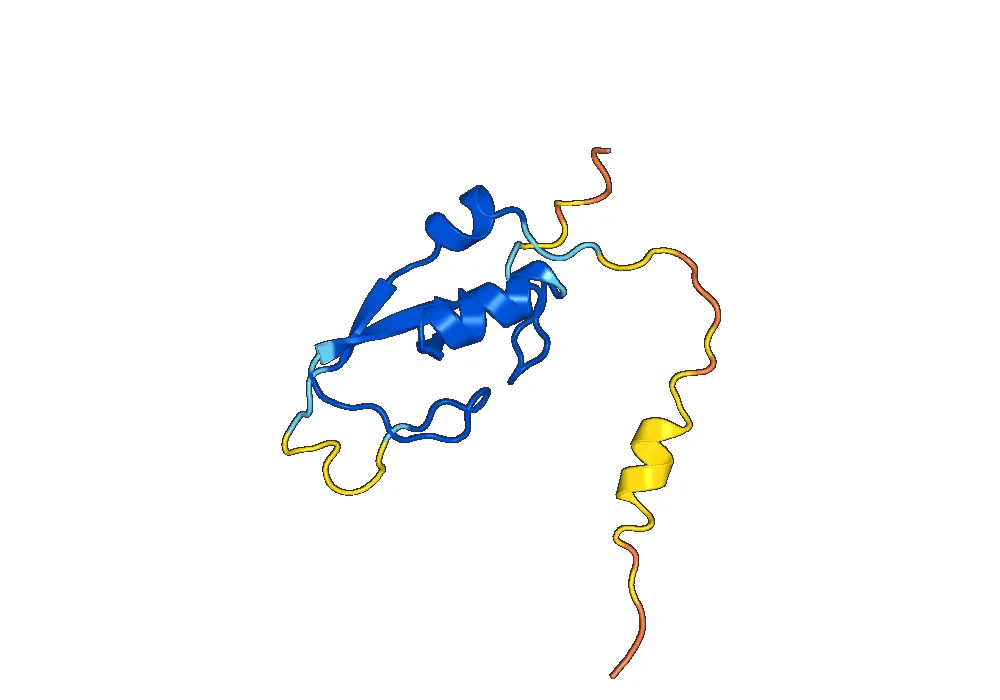
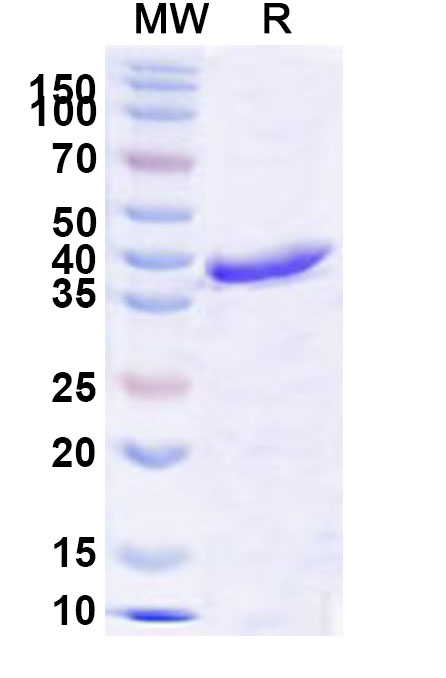
Recombinant Human RNF6 Protein is composed of 241 amino acids and has a molecular weight of approximately 27 kDa. It contains a RING finger domain, which is responsible for its E3 ubiquitin ligase activity. This domain is characterized by a conserved sequence of cysteine and histidine residues that coordinate two zinc ions, allowing the protein to bind to ubiquitin and facilitate its transfer to target proteins.
In addition to the RING finger domain, Recombinant Human RNF6 Protein also contains a C-terminal domain that is involved in protein-protein interactions. This domain is essential for the recruitment of target proteins and the formation of protein complexes.
Activity of Recombinant Human RNF6 Protein
As an E3 ubiquitin ligase, Recombinant Human RNF6 Protein plays a crucial role in the ubiquitination process, which is responsible for the degradation of proteins and the regulation of various cellular processes. This protein specifically targets proteins for degradation by attaching ubiquitin molecules to them, marking them for destruction by the proteasome.
In addition to its role in protein degradation, Recombinant Human RNF6 Protein has been found to be involved in the regulation of cell proliferation, differentiation, and apoptosis. It has been shown to interact with various signaling pathways, including the Wnt/β-catenin pathway, and modulate their activity. This highlights the importance of Recombinant Human RNF6 Protein in maintaining cellular homeostasis.
Applications of Recombinant Human RNF6 Protein
Recombinant Human RNF6 Protein has been extensively studied for its potential applications in various fields, including cancer research, neurodegenerative diseases, and stem cell research.
One of the major areas of research for Recombinant Human RNF6 Protein is its role in cancer. Studies have shown that this protein is overexpressed in various types of cancer, including breast, prostate, and ovarian cancer. It has been suggested that Recombinant Human RNF6 Protein may promote cancer progression by targeting tumor suppressor proteins for degradation. Therefore, targeting this protein could be a potential therapeutic strategy for cancer treatment.
In neurodegenerative diseases, Recombinant Human RNF6 Protein has been found to play a role in the clearance of protein aggregates, such as amyloid-beta and tau, which are associated with Alzheimer’s and Parkinson’s disease. This suggests that Recombinant Human RNF6 Protein may have potential as a therapeutic target for these diseases.
Furthermore, Recombinant Human RNF6 Protein has been shown to play a crucial role in the maintenance and differentiation of stem cells. It has been found to be essential for the self-renewal of embryonic stem cells and the differentiation of neural stem cells. Therefore, this protein could be used in stem cell research to enhance the efficiency of stem cell differentiation.
Conclusion
In summary, Recombinant Human RNF6 Protein is a crucial protein involved in various cellular processes, including protein degradation, cell proliferation, differentiation, and apoptosis. Its unique structure and activity make it a potential therapeutic target for various diseases, including cancer and neurodegenerative diseases. Further research on this protein could lead to the development of novel treatments for these diseases.


There are no reviews yet.